Back Pain in Croydon: Chiropractor or Osteopath – Which Do Patients Prefer?
What’s the Difference Between a Chiropractor and an Osteopath for Back Pain?
Osteopaths and chiropractors are both trained to treat back pain, but their underlying approach, techniques, and philosophy differ significantly — something that often surprises Croydon patients when they experience both.
Chiropractic treatment is historically based on the theory that many health problems originate from subtle misalignments in the spine, known as subluxations. The primary goal of chiropractic care is to detect these subluxations and correct them through targeted spinal adjustments. Chiropractors tend to focus primarily on the spine itself, believing that restoring correct alignment can relieve pain and improve nerve function.
Osteopathy, on the other hand, takes a broader view. Osteopaths assess and treat back pain as part of a wider biomechanical and postural system. The spine is never treated in isolation — osteopaths explore how the pelvis, hips, thoracic spine, shoulders, and even old injuries elsewhere in the body may be contributing to the current symptoms.
This difference in scope means that chiropractic care often centres around a series of spinal adjustments delivered over a short and regular treatment plan, while osteopathy tends to involve longer appointments combining soft tissue work, joint mobilisation, and postural correction — all tailored to the individual’s full-body mechanics.
Treatment Techniques – Spinal Adjustments vs Soft Tissue Work
The most well-known chiropractic technique is the high-velocity low-amplitude thrust, commonly known as a spinal adjustment. This involves a sharp, controlled movement applied to a specific spinal joint, often resulting in an audible cavitation — a clicking or popping sound as gas is released from the joint capsule.
Chiropractors may apply multiple adjustments to different spinal segments in a single session, with the belief that this restores proper alignment, reduces nerve interference, and promotes healing. However, chiropractic care typically involves limited soft tissue work, meaning muscle imbalances and fascial tension are not always addressed directly.
Osteopaths use spinal manipulation too, but it’s only one part of a much broader manual therapy toolkit. Osteopaths also apply deep soft tissue release, myofascial release, trigger point therapy, joint articulation, and gentle stretching techniques to improve flexibility and release chronic muscle tension. This comprehensive approach means osteopathy treats not only joint stiffness, but also the surrounding muscle tightness and postural adaptations that contribute to back pain in the first place.
Osteopathy places a heavy emphasis on tissue texture changes — assessing how muscle tone, fascial adhesions, and ligament tension interact with joint mechanics. Treatment is adapted session by session, depending on how the body responds, rather than following a pre-set adjustment protocol.
Philosophy – Symptom Focus vs Whole-Body Function
Chiropractic care primarily focuses on correcting the area where pain is felt — typically spinal joints. The belief that improving spinal alignment will resolve both the back pain and any downstream nerve irritation forms the cornerstone of chiropractic theory.
This spine-first approach can be effective for simple mechanical back pain caused by isolated joint restrictions, such as a facet lock following a sudden movement. However, it may not fully address cases where back pain is driven by broader postural or movement dysfunction.
Osteopathy, by contrast, always views back pain as a symptom of a larger mechanical pattern. An osteopath treating back pain will also assess pelvic symmetry, thoracic mobility, core stability, hip function, and even foot mechanics, depending on the presentation. The goal is not just pain relief, but the restoration of optimal whole-body function to prevent recurrence.
This wider lens is particularly beneficial for Croydon patients whose back pain stems from lifestyle factors like prolonged commuting, desk-based work, or years of compensating for old sports injuries. Osteopaths regularly find that chronic back pain is actually perpetuated by tight hip flexors, poor thoracic rotation, or reduced ankle mobility — none of which would be addressed through spinal adjustments alone.
Conditions Treated – When to Choose Osteopathy
Osteopathy’s versatility means it is suitable for almost all types of back pain, but it is particularly beneficial when the pain is linked to complex movement patterns, postural dysfunction, or long-standing compensation patterns.
This makes osteopathy the preferred choice for:
Chronic postural back pain caused by prolonged desk work or poor workstation setup.
Back pain related to long commutes, especially for Croydon drivers who sit for hours on the A23 or train commuters enduring static loading on Southern Rail.
Sports injuries where lower back pain arises from poor technique, muscle imbalances, or training errors.
Back pain linked to historical injuries — for example, compensatory lower back pain after an old ankle sprain altered walking patterns.
Back pain that fluctuates in response to stress, lifestyle changes, or exercise routines — indicating multi-factorial causes requiring a whole-body treatment plan.
Complex cases where back pain co-exists with hip, knee, or pelvic dysfunction — requiring treatment of the entire kinetic chain, not just the spine.
Chiropractic care, by contrast, may be suitable for patients who:
Have isolated mechanical back pain after a simple incident, such as twisting awkwardly or lifting incorrectly.
Prefer a treatment style focused on spinal adjustments and structural alignment.
Respond well to regular adjustment sessions.
Want a rapid, symptom-focused approach without broader lifestyle changes or rehabilitation work.
In Croydon, osteopathy tends to be the more popular choice for patients who want to understand the full picture behind their back pain — especially those whose pain is linked to modern working lifestyles, poor posture, or sports-related factors. Chiropractors tend to attract patients looking for a fast, adjustment-based approach, particularly if they believe their pain stems directly from a spinal misalignment.
For those with chronic or recurrent back pain, osteopathy’s holistic, adaptable approach typically offers longer-term results because it addresses both the pain and its underlying causes — not just the local joint dysfunction.
How Osteopaths Treat Back Pain in Croydon – A Hands-On, Whole-Body Approach
Osteopathy’s approach to back pain treatment focuses not only on the spine itself, but on understanding how the entire body works as a unit. For patients in Croydon, Beddington, Purley, and Wallington, this means the osteopath will consider how work posture, commuting habits, and recreational activities influence the mechanical load on the spine — and how old injuries, muscle imbalances, or daily movement habits contribute to the symptoms.
Assessment – The Foundation of Effective Treatment
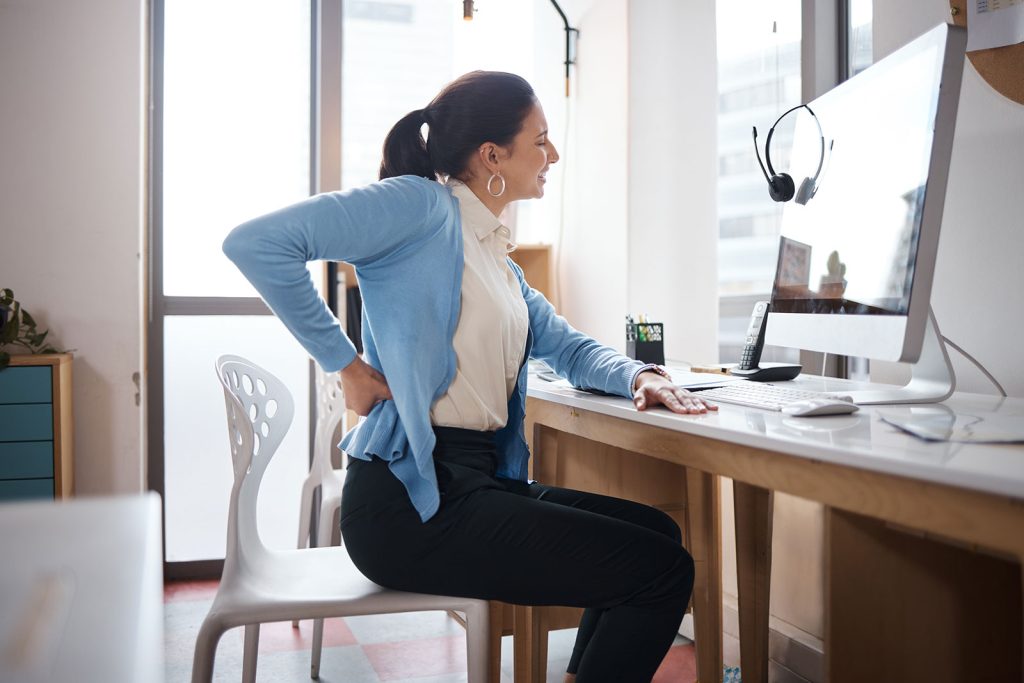
The first step is a detailed movement and postural assessment. Osteopaths observe how the spine, pelvis, hips, and shoulders function as a single mechanical chain. This goes far beyond identifying a painful spot — the aim is to map out dysfunctional patterns that have developed over months or years.
A patient presenting with lower back pain after years of working in a Croydon office may also show signs of anterior pelvic tilt, reduced thoracic extension, and tight hamstrings. Another patient with back pain following football at Purley Way Playing Fields might show restrictions in hip rotation and poor core engagement during functional movements. These patterns provide essential clues to guide treatment.
Manual Therapy – Treating More Than Just the Painful Area
Osteopaths apply a layered approach to manual therapy, starting with soft tissue release to reduce excessive muscle tension, improve blood flow, and release fascial adhesions. This is followed by joint mobilisation to improve the movement capacity of stiff spinal segments, pelvic joints, or hip joints, depending on where the root dysfunction lies.
For patients with acute mechanical back pain
perhaps after lifting at work or after a weekend spent on DIY — osteopaths may use spinal manipulation techniques, but only when indicated by a thorough assessment. This differs from chiropractic care, where adjustments are often the primary intervention regardless of the broader context.
Lifestyle Integration – Beyond the Treatment Room
The hallmark of osteopathy in back pain care is contextual advice tailored to each patient’s real-world life in and around Croydon. This includes:
- Advice on desk ergonomics, whether the patient works from a serviced office near East Croydon Station, or from a makeshift home office in a Beddington semi.
- Commuting advice for drivers on the A232 or passengers on the Thameslink services to Blackfriars.
- Sport-specific movement retraining for patients who train at Nuffield Health in South Croydon or David Weir Leisure Centre.
This real-life tailoring ensures that treatment works in context, not just in the treatment room — a critical factor in long-term back pain resolution.
I had treatments for backache and neck pain with both Tom and David, during pregnancy and after birth. I found the sessions really beneficial, they were gentle but straight to the point causing the pain. My mother sorted her backache in 4 treatments too. And I also got my newborn treated which helped her as she is much more relaxed now. I definitely recommend this clinic, osteopathy is good at any stage of life.

 Laura Vettore
August 28, 2023
Chiropractic Treatment for Back Pain: What to Expect in Croydon
Chiropractic treatment for back pain in Croydon centres heavily around spinal adjustments, with chiropractors focusing primarily on correcting spinal alignment through repeated high-velocity, low-amplitude thrusts.
Initial Consultation and Diagnosis
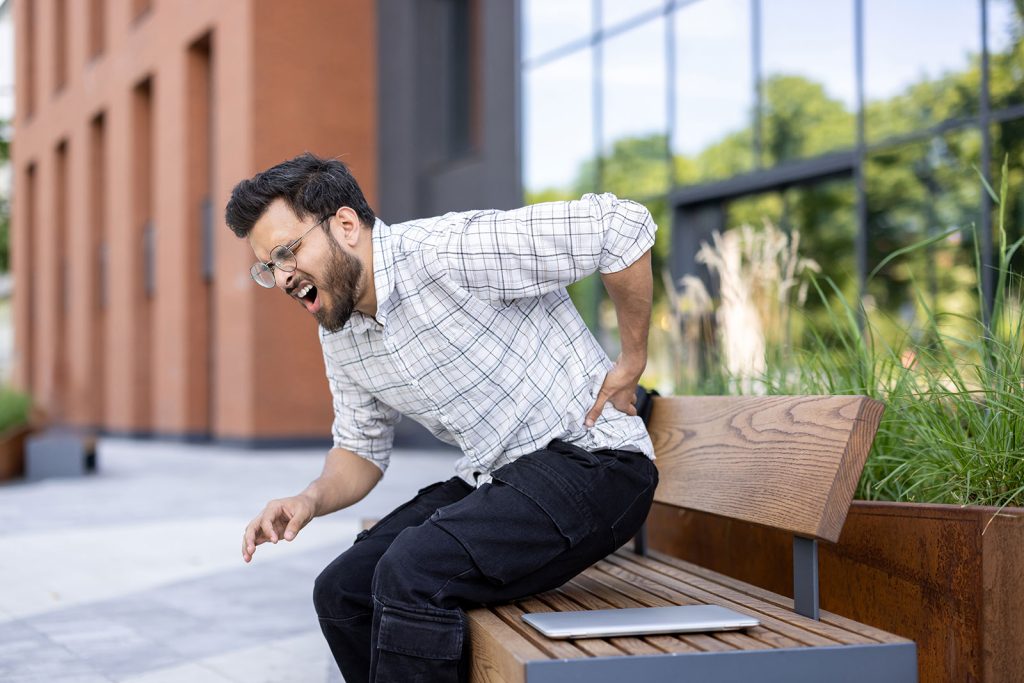
The first appointment typically begins with a brief history of symptoms, followed by spinal screening — focusing closely on the area of pain. Chiropractors are trained to detect subluxations, which they believe are misalignments in the spine contributing to pain, stiffness, and even nerve interference.
The examination is often spine-centric, meaning areas outside the spine
such as the hips, knees, or old ankle injuries — may receive less attention, even if they contribute to biomechanical imbalances.
Spinal Adjustments – The Core of Chiropractic Care
The primary treatment method is the adjustment, where the chiropractor applies a precise, rapid thrust to a targeted spinal joint. This is intended to restore proper alignment, improve joint mobility, and reduce pressure on nearby nerves and soft tissues.
Patients often hear a clicking or popping sound, which is simply gas being released from the joint space — a normal effect of joint cavitation, not a sign that anything is being “put back into place” (a common misconception).
Chiropractic Treatment Plans
Chiropractic care for back pain in Croydon often follows pre-set treatment plans, typically recommending a series of adjustments delivered over several weeks. These plans may suggest two or more appointments per week during the initial phase, gradually tapering off as symptoms improve.
Focus and Limitations
The focus of chiropractic care remains largely on the spinal joints, rather than the surrounding muscles, connective tissues, or movement patterns that may have contributed to the back pain in the first place. For some patients — particularly those with simple mechanical lower back pain — this can be effective.
However, for patients whose back pain stems from more complex causes — such as postural dysfunction, hip mobility deficits, or repetitive strain from a physically demanding job — this narrower focus may overlook key contributors to long-term resolution.
I had treatments for backache and neck pain with both Tom and David, during pregnancy and after birth. I found the sessions really beneficial, they were gentle but straight to the point causing the pain. My mother sorted her backache in 4 treatments too. And I also got my newborn treated which helped her as she is much more relaxed now. I definitely recommend this clinic, osteopathy is good at any stage of life.
Laura VettoreAugust 28, 2023
Which is Better for Posture-Related Back Pain?
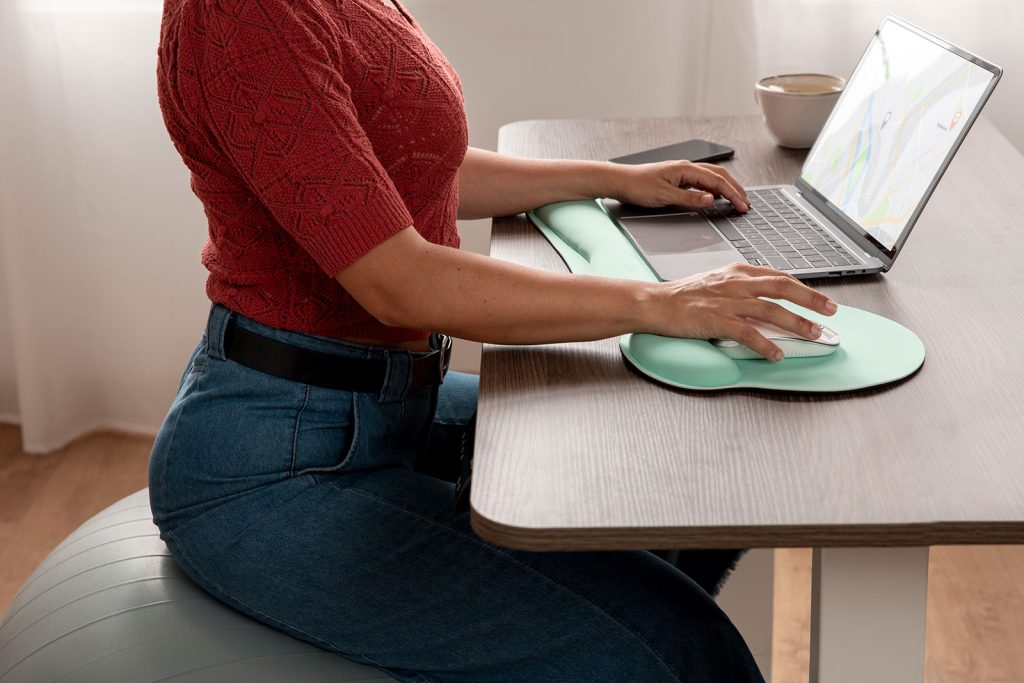
Posture-related back pain rarely exists in isolation. It’s the result of repeated mechanical stress — often linked to desk work, working from home on unsuitable chairs, or long periods of static sitting during commutes. Over time, these habits alter the natural curves of the spine, shortening certain muscle groups, overstretching others, and placing excessive strain on specific joints.
How Chiropractors Address Posture-Related Back Pain
Chiropractors generally approach posture-related back pain by focusing on spinal alignment, working from the premise that poor posture stems directly from misalignments within the spine itself.
During treatment, the chiropractor may identify segmental restrictions at particular vertebrae — for example, in the lower thoracic spine or lumbar region — and aim to restore alignment through a series of spinal adjustments. These adjustments are usually high-velocity thrusts, applied directly to the affected spinal joints, with the goal of improving segmental mobility and reducing nerve irritation caused by postural strain.
However, chiropractic care often prioritises the spine itself, rather than considering the whole postural chain. That means contributing factors like tight hip flexors, weak gluteal muscles, or poor thoracic mobility may receive less attention during treatment.
For patients with simple postural back pain caused by segmental stiffness alone, chiropractic adjustments may bring temporary relief — but without addressing the broader muscular imbalances that caused the posture problem in the first place, the relief may not last.
How Osteopaths Treat Posture-Related Back Pain
Osteopaths approach posture-related back pain with a whole-body perspective, recognising that spinal posture is influenced by the pelvis, hips, shoulders, and even foot mechanics. Instead of treating only the painful spinal joints, osteopaths work to rebalance the entire postural chain, addressing:
- Anterior pelvic tilt caused by tight hip flexors and weak glutes.
- Rounded shoulders and forward head posture, common in desk workers across Croydon.
- Thoracic stiffness caused by lack of rotational movement in daily life.
- Overstretched lumbar muscles compensating for tight hamstrings or poor core engagement.
Treatment is hands-on and includes:
- Soft tissue release for tight muscle groups pulling the spine out of alignment.
- Joint mobilisation for stiff spinal and pelvic joints.
- Postural retraining exercises, focusing on hip mobility, core strength, and thoracic extension.
- Ergonomic advice tailored to the patient’s real-world working environment, whether that’s an office in Croydon town centre, a shared workspace near Wandle Park, or a makeshift home office in a semi in Wallington.
Osteopathy’s advantage in posture-related back pain is its ability to treat both the symptoms and the underlying cause — not just the spine itself, but the full network of joints, muscles, and fascia influencing posture. This makes osteopathy the preferred choice for patients who want long-term postural correction, not just relief from the immediate discomfort.
Have used this osteopath for years and always had great service
 Bill Burton
August 28, 2023
Who Should You See for Sciatica – Osteopath or Chiropractor?
Sciatica — pain radiating from the lower back into the buttock, thigh, and potentially down to the calf or foot — is a classic nerve pain syndrome caused by irritation or compression of the sciatic nerve. This can result from:
- A herniated lumbar disc compressing a nerve root.
- Facet joint dysfunction, where inflamed joints irritate adjacent nerve tissue.
- Piriformis syndrome, where tight muscles in the buttock compress the nerve as it passes through.
- Postural compression, particularly for people who sit with posterior pelvic tilt for long periods — common among Croydon commuters on trains or drivers stuck in traffic on the A232 or Croydon Flyover.

How Chiropractors Treat Sciatica
Chiropractors typically view sciatica as a result of spinal misalignment placing pressure on a nerve root at one of the lower lumbar segments, often L4/L5 or L5/S1.
Treatment usually focuses on spinal adjustments, applied directly to the affected segment to reduce pressure on the nerve root and restore spinal alignment. Chiropractors may also apply some basic soft tissue work, but this is generally secondary to the adjustments themselves.
This approach can work well when sciatica is purely mechanical — caused by a simple segmental dysfunction or minor disc irritation. However, if the sciatica stems from broader postural issues, piriformis syndrome, or muscle guarding across the pelvis, chiropractic treatment alone may miss some of the contributing factors.
How Osteopaths Treat Sciatica
Osteopaths take a wider diagnostic lens, recognising that sciatica is rarely caused by a single spinal segment acting alone. Osteopaths assess:
- Spinal mobility across the entire lumbar and sacral region.
- Pelvic alignment, particularly at the sacroiliac joints.
- Gluteal muscle tightness, particularly in the piriformis, which can compress the sciatic nerve.
- Core function, ensuring the deep stabilising muscles properly offload the lumbar spine.
- Lower limb mechanics, particularly hip mobility and foot positioning, as these can influence pelvic posture and nerve tension.
Osteopathic treatment for sciatica combines:
- Myofascial release for the deep gluteal muscles, including the piriformis
- Joint mobilisation to restore balanced movement across the lumbar spine, pelvis, and hips.
- Nerve mobilisation techniques — known as neurodynamics — designed to free the sciatic nerve from areas of entrapment.
- Postural correction, especially for desk workers, drivers, and tradespeople whose daily positions amplify nerve compression.
- Tailored rehabilitation exercises to address the root mechanical cause, ensuring long-term relief rather than just temporary symptom management.
For Croydon patients with sciatica, osteopathy’s ability to combine nerve-focused techniques with whole-body mechanical correction makes it a more complete choice — especially for people whose sciatica is recurrent, linked to lifestyle factors, or part of a broader postural dysfunction.
Patients seeking short-term relief from a new-onset sciatic episode may benefit from a few chiropractic adjustments, but those wanting to address the root cause, prevent recurrence, and understand why the nerve became irritated in the first place are likely to achieve better long-term results with osteopathy.
Choosing the Right Back Pain Specialist in Croydon – Book a Consultation Today
Finding the right back pain specialist in Croydon means going beyond simply picking the first clinic you find online. With multiple professions — including osteopaths, chiropractors, and physiotherapists — all offering treatments for lower back pain, sciatica, and postural dysfunction, it’s essential to understand not only what each practitioner offers, but also how to assess their specific expertise, treatment style, and understanding of your lifestyle factors.
For residents in Croydon, Beddington, Purley, and Wallington, the ideal back pain practitioner should combine clinical experience, local knowledge, and a patient-centred approach tailored to the real-world demands placed on your body — whether you spend long hours commuting, work in a desk-based role, or lead an active lifestyle in and around South London.

How to Find the Best Osteopath for Your Needs
Clinical Expertise with a Focus on Back Pain
Not all osteopaths are back pain specialists — some focus more heavily on sports injuries, pregnancy care, or general wellness treatments. If you’re seeking an osteopath for back pain in Croydon, you need someone with deep expertise in diagnosing and treating lumbar pain, sciatica, facet joint dysfunction, and postural back problems.
The best back pain osteopaths have extensive experience treating patients whose lifestyles match yours — whether you work from a desk in East Croydon, spend long hours driving through Fiveways or Purley Cross, or regularly train at PureGym or Croydon High Sports Club.
Look for evidence of:
- Specific training in spinal and postural dysfunction.
- Experience managing acute mechanical back pain and chronic postural strain.
- Understanding of lifestyle triggers — from commuting ergonomics to training loads in weightlifting, running, or football.
What to Expect from Your First Session
The first session with a Croydon osteopath is much more than a quick chat and treatment — it’s a detailed discovery process designed to uncover not only the source of your back pain, but also the mechanical, postural, and lifestyle factors that allowed the problem to develop in the first place.
Comprehensive Case History
The session begins with a thorough case history, where your osteopath will ask about:
- When and how your back pain started — was it a sudden injury, a slow build-up, or related to a particular activity like lifting, running, or working at your desk?
- Your job and working posture — whether you’re spending hours driving along the A232, working at a desk in Croydon town centre, or standing for long shifts.
- Your commute — sitting in traffic around Purley Cross, catching the Tramlink, or using the Thameslink service to Blackfriars all place different stresses on your spine.
- Your exercise habits — from weight training at Nuffield Health Croydon to playing Sunday football in Beddington Park, knowing how you move is critical to understanding the cause of your back pain.
- Any previous injuries, even if they feel unrelated. Old ankle sprains, hip pain, or shoulder injuries often create compensatory patterns that ultimately contribute to chronic lower back pain.
Movement & Postural Assessment
Next, your osteopath will conduct a full postural and movement assessment, looking not only at your spine, but also:
- Pelvic alignment, checking for anterior or posterior tilt that could overload your lumbar spine.
- Thoracic and shoulder mobility, especially if you work at a desk.
- Hip function, including range of motion and symmetry, since restricted hips frequently increase lower back strain.
- Core activation, checking whether your deep stabilising muscles are supporting your spine effectively.
- Functional movement testing, simulating real-world activities like bending, squatting, and twisting.
This whole-body approach ensures the root cause of your back pain is properly identified, rather than just treating the site of discomfort.
Hands-On Treatment in Your First Appointment
Once the assessment is complete, hands-on treatment begins. This might involve:
- Soft tissue release for overworked muscles — such as tight erector spinae, quadratus lumborum, or hip flexors.
- Joint mobilisation for restricted spinal segments, particularly in the lumbar spine, thoracic spine, or sacroiliac joints.
- Myofascial release to address chronic fascial restrictions, often linked to old injuries or poor posture.
- Nerve mobilisation if symptoms suggest sciatic nerve irritation.
- Postural coaching, teaching you practical movement adjustments for sitting, standing, driving, and training — based on your real-world habits in Croydon.
Tailored Advice for Home
Your osteopath will also give you practical, personalised advice to follow between sessions. This could include:
- Specific stretches or mobility drills designed to unwind postural patterns.
- Adjustments to your workstation setup, particularly if you work from home.
- Changes to your commuting posture, whether driving, taking the train, or cycling.
- Guidance on exercise modifications, ensuring your back pain isn’t aggravated at the gym or during sport.
Every element of your first session is designed to:
- Explain exactly what’s causing your back pain.
- Start relieving pain immediately.
- Give you clear steps to follow between sessions, accelerating recovery.
Book Your Back Pain Consultation in Croydon Now
Ignoring back pain rarely makes it go away for good — especially when it’s linked to your working posture, commuting habits, or exercise routine. The sooner you have your spinal mechanics assessed by an experienced Croydon osteopath, the faster you can:
- Relieve pain naturally, without relying on long-term medication.
- Understand the root cause, so you know exactly why the pain developed.
- Correct postural issues, reducing the risk of future flare-ups.
- Learn practical, real-world strategies for keeping your spine healthy in your day-to-day life.
Booking your first appointment is easy — simply contact a qualified osteopath in Croydon who specialises in back pain diagnosis, treatment, and prevention. Whether you live in Beddington, Wallington, or right in the heart of Croydon, local osteopaths offer flexible appointment times to fit around your schedule — including evening and weekend slots for busy professionals.
Start your journey to pain-free movement today — book your Croydon back pain consultation and take control of your spinal health before pain takes control of you.
Thanks to Tom for treating me before and after my Marathon last year – I literally would not have been able to do it without him. He also treated me for a pulled shoulder and neck pain. I'll definitely use Sanderstead Osteopaths again – highly recommend! 👍
 Richard Belton
August 28, 2023