

How to Differentiate Between Muscular Pain and Nerve Pain
Understanding the Basics of Muscular and Nerve Pain
Muscular pain and nerve pain are two distinct types of discomfort, each stemming from different causes and presenting unique sensations. Recognising the difference between the two is crucial for accurate diagnosis and effective treatment. Muscular pain typically arises from overuse, tension, or injury to muscles, while nerve pain is caused by irritation, compression, or damage to the nerves themselves.
What Causes Muscular Pain?
Muscular pain often develops due to physical strain, improper posture, or direct injury to muscle tissue. This type of pain is usually localised, meaning it is felt directly in the affected muscle. Common triggers include overexertion during exercise, repetitive movements, or sudden physical trauma, such as a sprain. Additionally, muscular tension linked to stress or poor ergonomics can lead to persistent aches or stiffness in certain areas, like the neck or lower back.
What Causes Nerve Pain?
Nerve pain, on the other hand, is the result of damage or irritation to the nerves. This can occur due to conditions such as herniated discs, sciatica, or diseases like diabetes that affect nerve function. Unlike muscular pain, nerve pain often radiates along the path of the affected nerve, creating sensations like sharp shooting pain, burning, tingling, or numbness. Nerve pain is often described as more intense and harder to localise than muscular pain, with symptoms sometimes extending far from the original site of nerve irritation.
Key Characteristics of Muscular Pain
Common Symptoms of Muscle-Related Issues
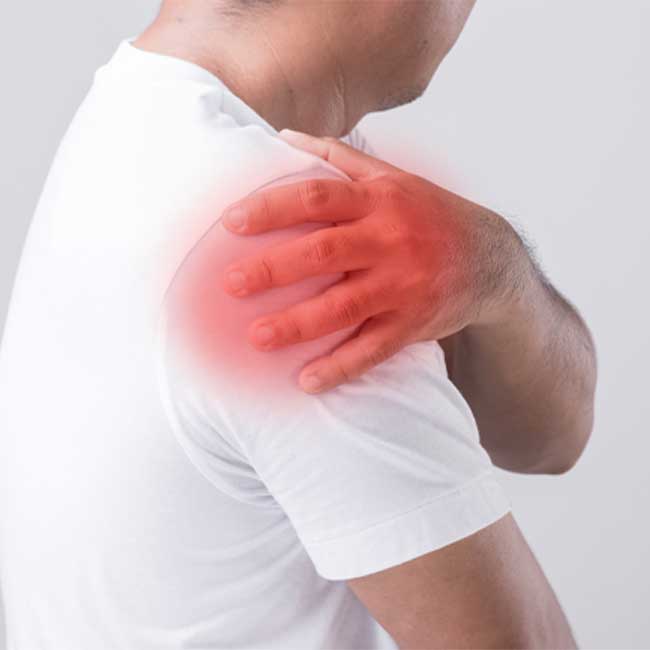
Muscular pain is typically characterised by a dull, aching sensation that is localised to the affected muscle or group of muscles. It may feel tender or sore to the touch and can become more pronounced during movement or physical activity. Swelling, stiffness, or weakness in the muscle may also accompany the pain. For instance, individuals often experience soreness after strenuous exercise, referred to as delayed-onset muscle soreness (DOMS), which resolves with rest and recovery.

Types of Muscular Pain: Acute vs. Chronic
Muscular pain can be divided into two main categories: acute and chronic. Acute muscular pain is short-lived and arises suddenly due to injury or overexertion, such as pulling a muscle during exercise or sustaining a minor sprain. This type of pain typically resolves once the underlying cause is treated.
Chronic muscular pain, however, persists over time and is usually associated with a chronic injury or postural imbalances. This type of pain often requires a comprehensive treatment plan to address both the symptoms and the root cause, making professional assessment essential for long-term relief.
Very knowledgeable, nice people

 Bernt Hellman
January 28, 2024
Key Characteristics of Nerve Pain

Common Symptoms of Nerve-Related Issues
Nerve pain, also known as neuropathic pain, often presents as sharp, shooting, or stabbing sensations that follow the path of the affected nerve. Unlike muscular pain, which tends to be localised, nerve pain may radiate to other areas of the body. For example, sciatica can cause pain that starts in the lower back and travels down the leg. Additional symptoms include numbness, tingling, or a “pins and needles” sensation, as well as hypersensitivity to touch or temperature.
Identifying Neuropathic Pain: Burning, Tingling, and Shooting Sensations
Neuropathic pain is frequently described as burning or searing, with episodes of intense discomfort that can feel like an electric shock. These sensations may come and go or persist, interfering with daily activities and sleep. The pain may also be triggered by mild stimuli, such as clothing brushing against the skin or changes in temperature, a phenomenon known as allodynia.
Identifying these unique characteristics is critical for distinguishing nerve pain from other types of discomfort. A professional evaluation can determine the root cause, whether it is due to conditions like a herniated disc, diabetic neuropathy, or nerve compression, and help guide an effective treatment plan.

Comparing Muscular Pain and Nerve Pain: Spotting the Differences

Pain Location: Localised vs. Radiating
One of the most distinct differences between muscular pain and nerve pain lies in their location. Muscular pain is typically localised to a specific area, such as the neck, shoulders, or back, and often occurs in response to strain, overuse, or injury. Nerve pain, however, tends to radiate along the path of the affected nerve. For instance, sciatica may start in the lower back and extend down the leg, while a pinched nerve in the neck might send pain into the arms or hands.
Nature of Discomfort: Dull Ache vs. Sharp Sensations
Muscular pain is often described as a dull ache or tightness, especially following physical activity or prolonged use of certain muscle groups. In contrast, nerve pain is sharp, shooting, or burning, with sensations that can feel like electrical shocks. Additionally, nerve pain may present as a tingling or “pins and needles” sensation, which is rarely experienced with muscle-related discomfort.
Triggers and Aggravating Factors
The triggers and aggravating factors for muscular and nerve pain also differ significantly. Muscular pain is typically exacerbated by movement, pressure, or overuse of the affected muscle. Rest, massage, and stretching often provide relief. Nerve pain, on the other hand, may be triggered by specific postures, such as sitting or standing for extended periods, or even by mild stimuli like touch or temperature changes. While rest may help alleviate muscular pain, it often has little effect on nerve pain, which may require targeted treatments to address the underlying cause. Understanding these differences is key to identifying the type of pain and seeking appropriate care.
Whether you’re seeking pain relief, better mobility, or improved circulation, Sanderstead Osteopaths can help. Our experienced osteopaths deliver comprehensive care tailored to your unique needs, ensuring you receive lasting benefits. Schedule an appointment today and take the first step toward a healthier, more active life.
Common Conditions Linked to Muscular and Nerve Pain

Conditions That Cause Muscular Pain (e.g., Strains, Overuse, or Fibromyalgia)
Muscular pain often stems from conditions or injuries that directly affect the muscles or surrounding tissues. Strains, caused by overstretching or tearing muscle fibres, are among the most common sources of muscular pain, typically occurring after sudden or excessive physical exertion. Overuse injuries, such as repetitive strain, can develop gradually when specific muscle groups are repeatedly engaged without adequate recovery time. Chronic conditions like fibromyalgia also cause widespread muscular pain, often accompanied by fatigue and tenderness in various areas of the body. Understanding the origin of muscular pain is essential for effective treatment, as it often involves managing inflammation, improving flexibility, and restoring strength to the affected areas.
Conditions That Cause Nerve Pain (e.g., Sciatica, Neuropathy, or Disc Issues)
Nerve pain arises from damage or irritation to the nervous system, often linked to specific conditions. Sciatica, for example, occurs when the sciatic nerve is compressed, typically due to a herniated disc or spinal stenosis, leading to sharp, radiating pain from the lower back down the leg. Peripheral neuropathy, another common cause, results from nerve damage often associated with diabetes, leading to burning, tingling, or numbness in the extremities. Spinal disc issues, such as bulging or herniated discs, can press against nearby nerves, causing pain, weakness, or loss of sensation in affected areas. Identifying the underlying condition causing nerve pain is critical for effective treatment, which may involve addressing the root cause and providing relief through targeted therapies.

When to Seek Professional Help for Pain Relief
Recognising Signs That Indicate Serious Underlying Issues
While occasional pain from minor injuries or overuse is often manageable at home, certain symptoms should prompt immediate professional attention. Persistent or worsening pain that does not improve with rest, ice, or over-the-counter medications may indicate a deeper issue requiring specialised care. Nerve pain symptoms, such as persistent numbness, tingling, or muscle weakness, especially if accompanied by loss of function or coordination, could signal conditions like herniated discs or nerve damage. Similarly, muscular pain that is severe, recurrent, or accompanied by swelling, redness, or fever might point to an underlying infection or chronic condition. Recognising these red flags is essential to ensure timely intervention and prevent complications.


How Osteopathy Can Support Pain Diagnosis and Management
Osteopathy offers a comprehensive approach to understanding and managing both muscular and nerve pain. Through a detailed assessment, osteopaths evaluate the root causes of discomfort, considering factors such as posture, movement patterns, and overall musculoskeletal health. By employing hands-on techniques, such as soft tissue manipulation and joint mobilisation, osteopaths can alleviate tension, improve circulation, and promote the body’s natural healing processes. Moreover, osteopathy focuses on long-term strategies to prevent recurring pain, such as personalised exercise recommendations, ergonomic advice, and lifestyle adjustments. For individuals struggling with persistent pain, consulting an osteopath can provide targeted relief and a clearer understanding of the underlying issues contributing to their discomfort.
How Osteopathy Can Help Differentiate and Treat Pain Types

Tailored Assessments to Identify Muscular and Nerve Pain
Osteopathy begins with a thorough evaluation to determine whether pain stems from muscular or nerve-related issues. By examining posture, range of motion, and specific pain triggers, osteopaths can pinpoint the source of discomfort with precision. They often utilise detailed patient histories to understand how lifestyle, past injuries, or repetitive movements contribute to the problem. Differentiating between muscular and nerve pain is crucial, as each requires a distinct approach to treatment. Osteopaths are trained to identify subtle cues, such as the nature and location of pain, that indicate whether the issue involves muscle strain, inflammation, or nerve compression.
Effective Techniques to Alleviate Muscular Pain
For muscular pain, osteopaths use hands-on techniques designed to relieve tension, improve circulation, and promote healing. Soft tissue manipulation helps reduce muscle tightness and break down adhesions, while stretching techniques restore flexibility and movement. Osteopathic massage enhances blood flow, delivering oxygen and nutrients to affected tissues, which accelerates recovery. By addressing postural imbalances and overuse patterns, osteopaths not only provide immediate relief but also prevent the recurrence of muscular pain.
Strategies to Manage and Reduce Nerve Pain
Nerve pain requires a more targeted approach to alleviate pressure on affected nerves and restore proper function. Osteopaths use gentle mobilisation techniques to improve joint alignment and reduce nerve compression, especially in cases of sciatica or cervical radiculopathy. Myofascial release can help alleviate tension in surrounding muscles, which often contributes to nerve irritation. Additionally, osteopaths may recommend specific exercises to strengthen supportive muscles and enhance spinal stability, reducing the risk of future nerve-related issues. With an emphasis on holistic care, osteopathy combines immediate relief with strategies to improve long-term nerve health.
By tailoring treatments to the specific type of pain, osteopaths offer a comprehensive and personalised approach to pain relief, ensuring patients receive care that directly addresses their unique needs.
Restoring Balance with Holistic Pain Management
Combining Osteopathy with Other Therapies for Lasting Relief
Osteopathy’s holistic approach to pain management often works synergistically with other therapies to provide comprehensive and lasting relief. While osteopathic treatments address musculoskeletal imbalances and improve mobility, integrating physiotherapy, massage, or acupuncture can further enhance recovery. For example, physiotherapy might focus on strengthening weakened muscles, while acupuncture helps reduce nerve sensitivity. This multidisciplinary strategy ensures that both the symptoms and underlying causes of pain are addressed. Osteopaths can collaborate with other healthcare professionals to develop a personalised care plan tailored to your specific needs, fostering long-term improvements in overall wellbeing.


Building Long-Term Pain-Free Movement
The ultimate goal of osteopathy is not just to alleviate pain but to empower patients with the tools and knowledge to maintain pain-free movement. Through tailored advice on posture, ergonomics, and daily habits, osteopaths help patients build resilience against recurring pain. Gentle exercises and stretching routines, prescribed during sessions, improve flexibility, strength, and joint stability, supporting the body’s natural ability to heal and adapt. By addressing the root causes of pain and promoting sustainable habits, osteopathy creates a foundation for long-term physical balance and comfort, allowing patients to enjoy active, pain-free lives.
Invest in your future health with the help of Sanderstead Osteopaths. Our preventative care plans are tailored to your lifestyle, helping you stay active, comfortable, and pain-free. Schedule an appointment today and take the first step toward lasting musculoskeletal wellness.
Take the First Step Toward Pain Relief with Sanderstead Osteopaths
Why Choose Us for Comprehensive Pain Management?
At Sanderstead Osteopaths, we specialise in providing tailored, effective care for individuals experiencing both muscular and nerve pain. Our highly qualified osteopaths take the time to assess your unique situation, identifying the root causes of your discomfort and crafting personalised treatment plans that address your specific needs. Whether your pain stems from an acute injury, a chronic condition, or everyday strain, our holistic approach ensures that every aspect of your health and wellbeing is considered. With a focus on empowering our patients, we provide the tools and guidance needed for long-term relief and improved mobility.


Supporting Mental Health Through Pain Management
Don’t let pain hold you back from living life to the fullest. Take the first step toward relief by booking a consultation with Sanderstead Osteopaths today. During your session, we will carefully evaluate your condition, answer any questions you may have, and begin developing a treatment plan tailored to your needs. Our compassionate, patient-focused care is designed to help you regain comfort and mobility while supporting your overall wellbeing. Contact us now to start your journey to a healthier, pain-free future.
Enhance your overall healthcare experience with the integrative approach offered at Sanderstead Osteopaths. Our team collaborates with medical professionals to ensure you receive the most comprehensive care possible. Schedule your appointment today to see how osteopathy can complement your treatment plan.


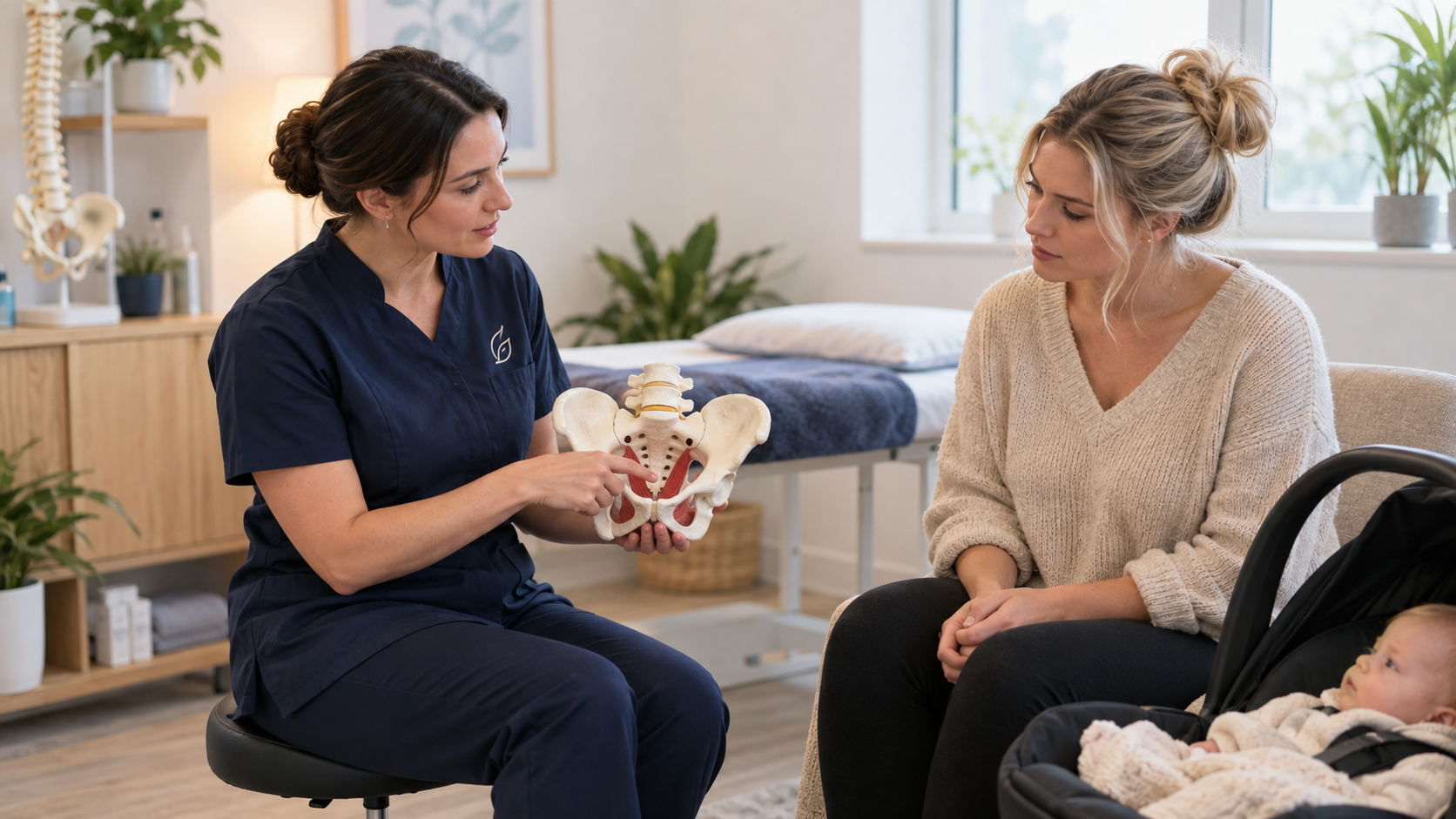
Not sure whether your pain is muscular or nerve-related? An osteopath can assess it. Find out how we treat sciatica and nerve pain and back pain, or book an appointment.