What's the Difference Between an Osteopath and a Regular Doctor?
Understanding Osteopathy and General Practice
What Is an Osteopath in the UK?
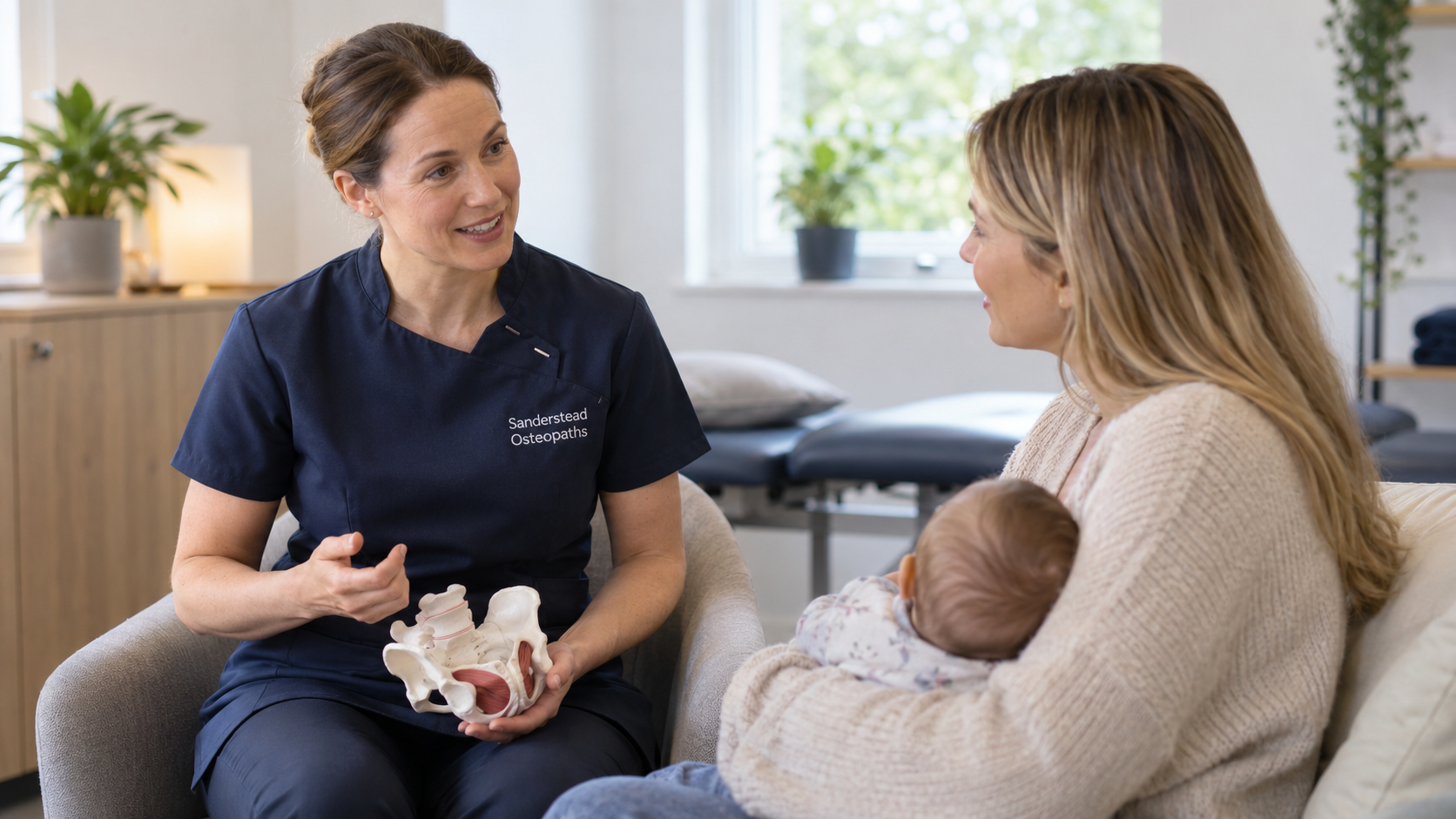
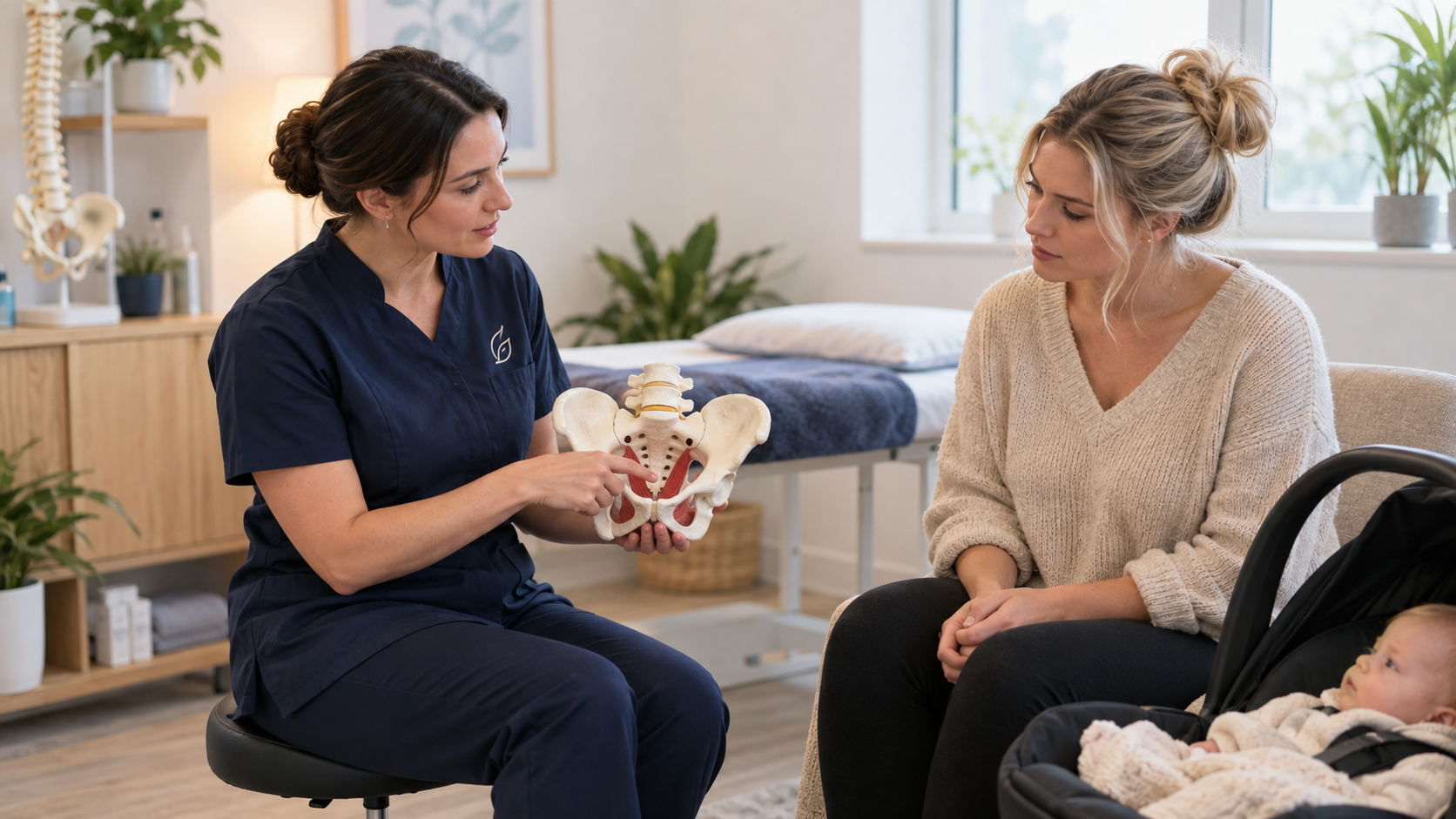
An osteopath is a healthcare professional in the UK who focuses on diagnosing and treating conditions related to the musculoskeletal system. Osteopaths use a hands-on, holistic approach, addressing how the body’s structure, including muscles, joints, and bones, impacts overall health. They are registered with the General Osteopathic Council (GOsC) and must adhere to strict professional standards. Osteopaths often treat conditions such as back pain, joint stiffness, and postural issues, and they emphasise the body’s ability to heal itself with appropriate support and alignment.


What Does a GP (General Practitioner) Do?
A General Practitioner, or GP, is a doctor who provides primary medical care for a wide range of health issues. GPs are the first point of contact for most patients in the UK and address everything from minor illnesses to chronic conditions. They can prescribe medication, order diagnostic tests, and refer patients to specialists when necessary. Unlike osteopaths, GPs focus on a broader scope of health, managing both physical and mental health concerns through evidence-based medicine.
Philosophical Differences Between Osteopathy and General Practice
The primary philosophical difference between osteopathy and general practice lies in their approach to health. Osteopathy emphasises a holistic perspective, considering how the entire body works together to maintain balance and function. This approach often involves manual therapy techniques to address structural imbalances and improve overall wellbeing. In contrast, GPs take a symptom-driven approach, focusing on diagnosing and treating specific illnesses or conditions, often using medications or medical interventions.
Osteopathy and general practice are complementary, and many patients benefit from integrating the two approaches to achieve comprehensive healthcare.

I’ve been seeing David for 10+ years now and wouldn’t go anywhere else. I’ve recently taken my 15year old son to David as he has had some health issues effecting his muscles and joints, he has experienced immediate improvements. I also recommended my mum who sees another member of the team and again, is really pleased with the treatment and outcome 5⭐️

 Andrew Webb
August 28, 2023
Training and Qualifications in the UK
Before deciding whether to see an osteopath or a GP, it’s helpful to understand the differences in their training and qualifications. Both professionals undergo rigorous education and certification processes in the UK, ensuring they are equipped to deliver high standards of care. While osteopaths specialise in musculoskeletal health and manual therapy, GPs provide a broad spectrum of care for general medical conditions.
At Sanderstead Osteopaths, our highly trained professionals are dedicated to helping you understand the care options that best meet your needs.

The Education and Registration Process for Osteopaths
In the UK, osteopaths are required to complete a four- or five-year degree in osteopathy, combining academic study with more than 1,000 hours of supervised clinical practice. Their training encompasses subjects such as anatomy, physiology, pathology, and biomechanics, alongside hands-on manual therapy techniques.
Upon graduation, osteopaths must register with the General Osteopathic Council (GOsC), the statutory regulator for the profession. This ensures they meet strict professional and ethical standards and are equipped to deliver safe and effective care. Osteopaths are also required to engage in continuous professional development to maintain their registration and stay updated on the latest advancements in healthcare.
The Training and Certification Path for GPs
General practitioners (GPs) in the UK follow a different educational path, beginning with a five- to six-year medical degree. After completing their degree, they undergo a two-year foundation programme, gaining experience in various medical specialties. This is followed by three years of specialist training in general practice.
GPs are registered with the General Medical Council (GMC), which ensures they adhere to strict standards of medical practice. Their training equips them to diagnose and treat a wide range of conditions, from infections and chronic illnesses to mental health issues, and to refer patients to specialists when necessary.


Differences in Specialisation and Focus
While both osteopaths and GPs receive comprehensive training, their areas of focus differ significantly. Osteopaths specialise in the diagnosis, treatment, and prevention of musculoskeletal issues, using manual therapy and a holistic approach to health. Their expertise lies in addressing structural imbalances, improving mobility, and alleviating pain through techniques such as joint mobilisation and soft tissue manipulation.
GPs, on the other hand, are generalists who manage a broad spectrum of health conditions. They are often the first point of contact for patients seeking medical care and are trained to diagnose, prescribe medication, and coordinate specialist referrals. This broad focus makes GPs well-suited for managing complex medical cases, while osteopaths excel in providing targeted, manual therapy for musculoskeletal concerns.
At Sanderstead Osteopaths, our team of dedicated professionals is here to provide expert care tailored to your musculoskeletal health needs. Whether you’re experiencing back pain, joint stiffness, or posture issues, our holistic approach ensures that your treatment is both effective and supportive of your overall wellbeing. Book a consultation today to experience the benefits of personalised osteopathic care.
Approaches to Patient Care
Understanding the differences in how osteopaths and GPs approach patient care can help you decide which professional is best suited to your health concerns. Both practitioners are committed to improving patient outcomes, but their methods and focus areas vary significantly. At Sanderstead Osteopaths, our holistic approach to care ensures that every aspect of your health and wellbeing is considered, making us a valuable partner in managing musculoskeletal issues.

The Holistic Focus of Osteopathy
Osteopathy centres on the belief that the body functions as a unified system, with the musculoskeletal system playing a crucial role in overall health. Osteopaths take a comprehensive view of your wellbeing, considering not just the symptoms you’re experiencing but also the underlying causes and contributing factors.
During a consultation, an osteopath will assess your posture, movement patterns, and lifestyle factors to identify potential imbalances or restrictions. Treatment often involves manual therapy techniques, such as joint mobilisation, myofascial release, and soft tissue massage, aimed at restoring mobility, reducing tension, and promoting natural healing. Osteopaths also provide guidance on exercise, ergonomics, and stress management to support long-term health.
This holistic approach makes osteopathy particularly effective for addressing chronic pain, recurring injuries, and conditions where physical and lifestyle factors play a significant role.
Symptom-Driven Care in General Practice
In contrast, general practitioners (GPs) often adopt a symptom-driven approach to care. Their primary goal is to diagnose and treat medical conditions based on the symptoms presented during a consultation. GPs are trained to address a wide range of health concerns, from infections and chronic illnesses to mental health issues, making them versatile healthcare providers.

GPs may prescribe medication, order diagnostic tests, or refer patients to specialists for further investigation. While this approach is highly effective for managing acute medical conditions and systemic illnesses, it may not always address the underlying physical or lifestyle factors contributing to musculoskeletal issues. For these concerns, an osteopath’s hands-on and holistic approach may provide more targeted relief.
When to Consider an Osteopath Over a GP
While both osteopathy and physiotherapy are effective treatments for a range of conditions, each has distinct approaches that may be more suited to particular situations.
Deciding whether to see an osteopath or a GP often depends on the nature of your health concern. If you’re experiencing musculoskeletal issues such as back pain, joint stiffness, or postural problems, an osteopath can provide specialised care that targets the root causes of your discomfort. Osteopathy is also a valuable option for managing chronic pain, sports injuries, and stress-related tension.
At Sanderstead Osteopaths, we offer expert care tailored to your musculoskeletal needs. Our holistic approach ensures that your treatment not only alleviates symptoms but also supports your overall wellbeing. Book an appointment with us today to discover how osteopathy can enhance your health and quality of life.
Conditions Managed by Osteopaths and GPs
Understanding the types of conditions osteopaths and GPs manage can help you decide which professional is best suited to your needs. While both practitioners play vital roles in healthcare, their areas of expertise and treatment approaches differ significantly. At Sanderstead Osteopaths, we specialise in addressing musculoskeletal issues with a holistic focus, while recognising the importance of collaboration with GPs for comprehensive care.
Common Musculoskeletal Issues Treated by Osteopaths
Osteopaths are experts in diagnosing and treating conditions affecting the musculoskeletal system. These include:
- Back and neck pain caused by poor posture, muscle strain, or spinal issues.
- Joint problems, such as stiffness, arthritis, and mobility restrictions.
- Sports injuries, including sprains, strains, and repetitive stress injuries.
- Chronic conditions like sciatica and fibromyalgia, which often involve musculoskeletal discomfort.
- Postural imbalances, which may contribute to pain, reduced flexibility, and poor function.

Osteopathy focuses on addressing the root causes of these issues through manual therapy, lifestyle guidance, and tailored exercise plans. This hands-on approach helps restore balance and mobility, reduce pain, and prevent recurring problems, offering long-term benefits for your overall wellbeing.

General Health Conditions Handled by GPs
GPs are trained to manage a wide range of general health concerns, making them a key resource for many medical conditions. Their expertise includes:
- Diagnosing and treating infections, such as colds, flu, and urinary tract infections.
- Managing chronic illnesses like diabetes, hypertension, and asthma.
- Addressing mental health issues, including anxiety, depression, and stress-related disorders.
- Providing vaccinations, health screenings, and preventative care.
- Coordinating care for complex conditions requiring specialist referrals.
GPs are often the first point of contact for patients with undiagnosed symptoms or systemic health issues. Their broad medical knowledge allows them to address multiple aspects of health, ensuring timely and effective treatment.
The Role of Collaboration Between Osteopaths and GPs
In many cases, osteopaths and GPs work collaboratively to provide the best possible care for their patients. For example, a patient experiencing back pain might see an osteopath for manual therapy to address the musculoskeletal aspect while consulting a GP for pain management or imaging referrals. Similarly, a patient with stress-related tension might benefit from osteopathy to relieve physical symptoms and GP support for managing mental health.

This integrated approach ensures that patients receive comprehensive care tailored to their unique needs. At Sanderstead Osteopaths, we prioritise collaboration with other healthcare professionals, recognising that a team-based approach often delivers the most effective outcomes.
Benefits of Seeing an Osteopath in the UK
Osteopathy offers a wide range of benefits for individuals seeking a holistic approach to healthcare. Whether you’re managing chronic pain, recovering from an injury, or looking for preventative strategies to maintain overall wellbeing, osteopathy provides personalised care tailored to your unique needs. At Sanderstead Osteopaths, we’re dedicated to helping patients achieve their health goals through expert hands-on treatment and comprehensive support.
Relieving Musculoskeletal Pain and Discomfort
One of the primary reasons people seek osteopathic care is to alleviate pain and discomfort in the musculoskeletal system. Osteopaths are highly skilled in diagnosing and treating conditions that affect the muscles, joints, and spine, including:
- Lower back pain caused by poor posture, strain, or herniated discs.
- Neck pain resulting from tension, injuries, or ergonomic issues.
- Joint discomfort from arthritis, repetitive strain, or sports injuries.
- Chronic conditions like sciatica or fibromyalgia that involve persistent pain.

Through manual techniques such as joint mobilisation, soft tissue massage, and stretching, osteopaths target the root causes of pain, helping to reduce tension, improve mobility, and restore balance. This approach provides immediate relief while addressing underlying factors to prevent recurrence.

Supporting Preventative Health Strategies
Osteopathy is not just about treating existing conditions—it also plays a vital role in maintaining long-term health. By identifying early signs of dysfunction, such as minor imbalances or postural issues, osteopaths help patients address potential problems before they escalate. Preventative osteopathic care can:
- Reduce the risk of injuries in active individuals or athletes.
- Improve posture and alignment to avoid strain on muscles and joints.
- Enhance flexibility and mobility, promoting an active and independent lifestyle.
- Support recovery after illness or surgery by improving circulation and tissue health.
Regular osteopathic treatments can also contribute to overall wellbeing by improving sleep quality, reducing stress-related tension, and boosting energy levels. At Sanderstead Osteopaths, we empower our patients with advice on lifestyle modifications, exercises, and ergonomic adjustments to maintain health between sessions.
Complementing Traditional Medical Care
Osteopathy works effectively alongside traditional medical care, making it a valuable addition to your healthcare routine. While GPs and specialists focus on diagnosing and managing systemic conditions, osteopaths provide targeted care for musculoskeletal issues that may not always require medication or surgery. Examples of this collaboration include:
- Treating postural pain in conjunction with physical therapy or chiropractic care.
- Managing chronic pain conditions like arthritis while under a rheumatologist’s supervision.
- Providing relief for tension headaches or migraines alongside medical treatments.
- Supporting recovery from surgery or injury with tailored rehabilitation plans.

By addressing the physical symptoms that often accompany medical conditions, osteopaths help patients experience a more comprehensive recovery. This integrative approach ensures that all aspects of a patient’s health are considered, fostering improved outcomes and overall satisfaction.
If you’re looking to relieve pain, improve mobility, or enhance your overall health, Sanderstead Osteopaths can provide the personalised care you need. Schedule your appointment today to discover the transformative benefits of osteopathy. Let us support your journey to lasting wellness and a pain-free life.
Sanderstead Osteopaths: Your Local Experts in Holistic Care
At Sanderstead Osteopaths, we are committed to providing personalised, patient-centred care to support your health and wellbeing. Our team of skilled osteopaths combines expert knowledge with a compassionate approach, ensuring every treatment plan is tailored to your unique needs. Whether you’re dealing with chronic pain, recovering from an injury, or looking for preventative strategies, we are here to help you achieve your health goals.
Tailored Treatments for Your Musculoskeletal Health
We understand that no two patients are alike. That’s why we take the time to assess your condition comprehensively, considering your medical history, lifestyle, and individual goals. From relieving back and neck pain to improving posture and mobility, our tailored treatments are designed to address the root causes of discomfort while promoting long-term health. Our expertise in manual therapy techniques ensures you receive effective, evidence-based care for musculoskeletal issues, leaving you feeling stronger, more balanced, and pain-free.


Complementary Care for a Healthier Lifestyle
Osteopathy is more than just a treatment—it’s a pathway to a healthier lifestyle. At Sanderstead Osteopaths, we integrate our care with advice on exercise, nutrition, and stress management to empower you with the tools needed to maintain your health between sessions. By addressing the interconnected systems of your body, our holistic approach enhances not only physical health but also mental wellbeing, creating a foundation for a more active and fulfilling life.
Book a Consultation with Sanderstead Osteopaths Today
Take the first step towards better health with Sanderstead Osteopaths. Whether you’re seeking relief from pain, support for recovery, or a proactive approach to wellness, our experienced team is here to guide you every step of the way. Book a consultation today and discover the transformative benefits of osteopathy. Let us help you unlock your body’s potential for natural healing and improved wellbeing.