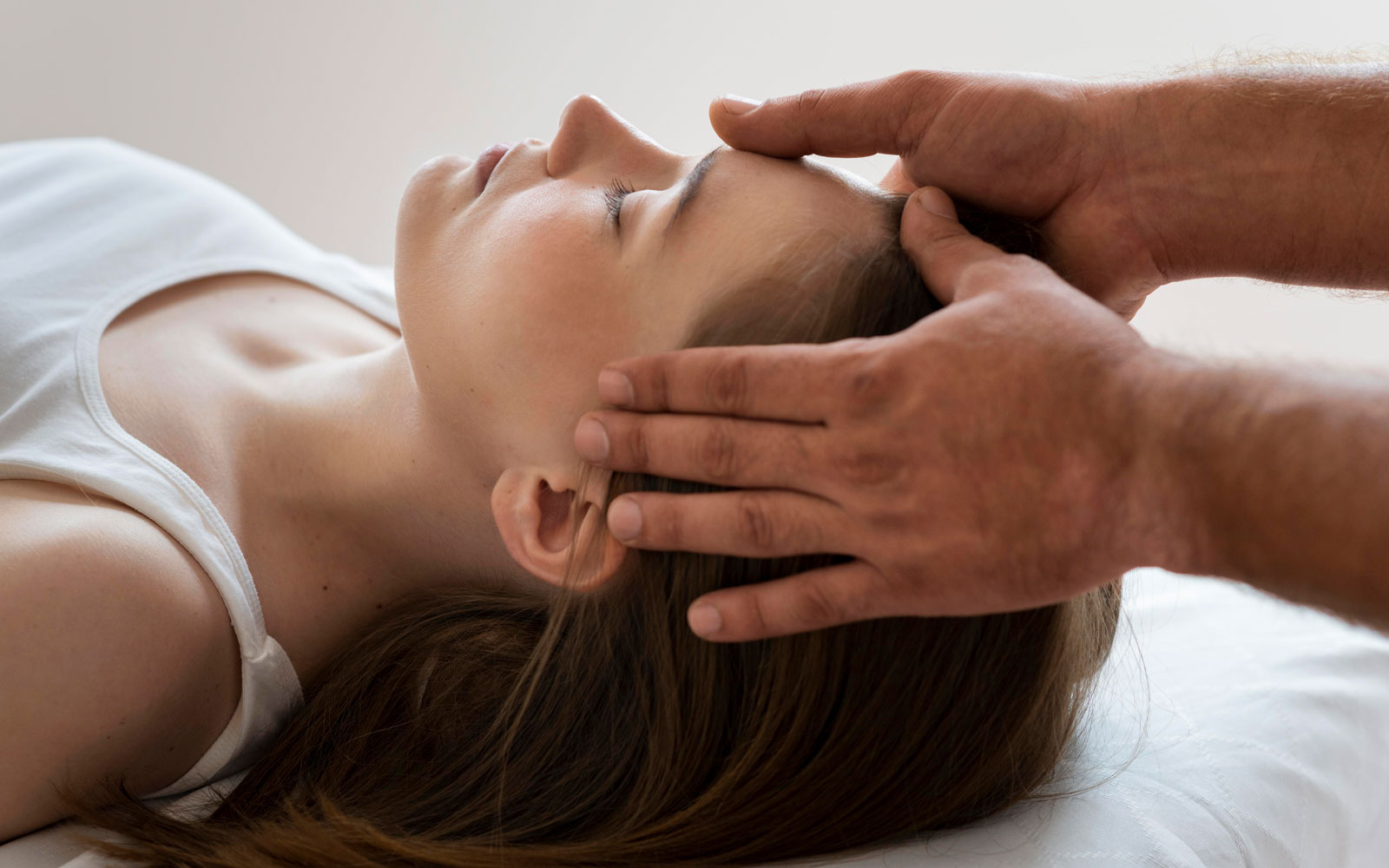
Sciatica-Pain-Relief-in-Croydon

Sciatica Pain Relief in Croydon – An Osteopath’s Guide to Sciatic Nerve Pain

Understanding Sciatica and Its Impact on Daily Life

Sciatica-Pain-Relief-in-Croydon-img-a

What Sciatica Actually Is – Defining Nerve Compression and Irritation

Sciatica is not a condition in itself but a set of symptoms caused by irritation or compression of the sciatic nerve, the longest nerve in the body. It originates in the lower spine and runs through the buttocks, hamstrings, and down to the feet. In Croydon, many cases are linked to long commuting hours into London, prolonged desk work in local offices, and repetitive strain from sports.
Common underlying causes include lumbar disc herniation, degenerative disc disease, spinal stenosis, piriformis syndrome, and postural imbalances. When the nerve is compressed or inflamed, patients often describe a sharp, radiating pain down the leg, sometimes accompanied by tingling, numbness, or muscle weakness. This neuro-musculoskeletal disorder can severely restrict movement and quality of life if left untreated.

What Physiotherapy Involves – Exercise-Led Rehabilitation and Recovery

Common Symptoms of Sciatica in Croydon Patients
Sciatica symptoms vary in intensity but typically follow a recognisable pattern:

Why Sciatica Can Become Chronic Without Proper Care

When untreated, sciatica frequently develops into a chronic condition. Prolonged nerve compression leads to ongoing inflammation, muscle guarding, and compensatory movement patterns. Over time, this can cause degenerative changes in the spine, reduced hip and pelvic mobility, and secondary pain in the knees or opposite side of the body. From an osteopathic perspective, sciatica must be addressed holistically, considering both the structural causes (disc bulges, joint restriction, muscle spasm) and the functional triggers (poor posture, sedentary work, stress, or repetitive loading). This biopsychosocial model of care ensures that both the physical and lifestyle factors contributing to sciatic pain are treated.
At South Croydon osteopathy clinics such as Sanderstead Osteopaths, manual therapy techniques including joint mobilisation, soft tissue release, and neural mobilisation are combined with tailored rehabilitation strategies to prevent long-term disability. Early osteopathic intervention often avoids the need for more invasive measures and helps restore normal movement before nerve irritation becomes permanent.

Causes of Sciatica Relevant to Croydon Residents

Sciatica-Pain-Relief-in-Croydon-img-b

Lumbar Disc Problems and Nerve Compression

Our osteopaths regularly see Croydon patients whose sciatic pain stems from irritation of the lumbar discs and nerve roots. When a disc bulges or narrows the small opening where the nerve exits, it can put pressure on the L4, L5, or S1 roots, creating pain that runs down the leg, often with tingling or weakness. Some people notice it start suddenly after lifting or twisting, while others develop a slow, nagging stiffness that worsens with sitting.
In these cases, we carry out a full neurological and orthopaedic assessment to confirm whether the pain is disc-related or coming from tight muscles or facet joints. Where urgent signs are present, we make the right onward referral. For most people, however, conservative osteopathic care makes a real difference. Hands-on techniques free up the affected spinal segments, calm protective spasm, and restore movement so the nerve can recover. By combining treatment with clear advice on posture, exercise, and sleep positioning, we help Croydon residents find quicker relief and avoid repeated flare-ups.

Postural Strain from Office Work and Long Commutes

Croydon’s working population often spends hours commuting to London or sitting at a desk. That combination of prolonged sitting, static postures, and reduced movement places a heavy load on the lower back, hips, and gluteal muscles. Many of our patients describe their pain being worse on the train home from East Croydon, or at the end of a long day at the office.
Our osteopaths look beyond the symptoms to identify why the sciatic nerve is being irritated. We often see tight hip flexors from too much sitting, shortened hamstrings pulling the pelvis out of balance, and stiffness in the thoracic spine that forces the lower back to compensate. By addressing these patterns with hands-on treatment and simple adjustments to your workstation and routine, we can break the cycle. Even small changes, like taking movement breaks, setting up your chair correctly, or learning to activate your glutes again, can make a significant difference.

Sports, Fitness, and Lifestyle Factors Contributing to Sciatic Pain

Croydon’s active community means we regularly treat sciatica linked to sport and exercise. Runners training at Lloyd Park, weightlifters in local gyms, and footballers at Croydon Sports Arena often come in with sciatic pain that is made worse by repetitive loading. Sometimes the culprit is a piriformis muscle compressing the nerve in the buttock. In other cases, poor hip mobility or faulty movement patterns place extra strain on the lower back.
Our osteopaths carefully distinguish between true nerve root irritation and muscular referral that mimics sciatica. That clarity guides treatment. For athletes and active patients, our approach blends hands-on care with advice on technique, load management, and progressive strengthening. We restore hip and spinal mobility, retrain movement patterns such as squatting or running gait, and introduce tailored rehabilitation so patients can return to activity with confidence. By combining manual therapy with clear guidance, we not only get people back to their sport faster but also reduce the chance of sciatica coming back.

Thanks to Tom for treating me before and after my Marathon last year – I literally would not have been able to do it without him. He also treated me for a pulled shoulder and neck pain. I'll definitely use Sanderstead Osteopaths again – highly recommend! 👍

Richard Belton Avatar Richard Belton
August 28, 2023

How Osteopathy Provides Relief from Sciatic Nerve Pain

Our osteopaths see patients every week in Croydon struggling with sciatica that disrupts work, sleep, family life, and exercise. While painkillers and rest may bring temporary relief, they do not address the underlying causes of sciatic nerve irritation. Osteopathy offers a structured yet holistic approach, combining hands-on treatment with long-term strategies designed to prevent recurrence. Whether sciatica stems from a lumbar disc problem, postural strain from long commutes into London, or sports-related tension in the hips and pelvis, osteopathic care provides a pathway back to movement, comfort, and confidence.
Sciatica-Pain-Relief-in-Croydon-img-c

Manual Therapy Techniques for Spinal and Pelvic Alignment

At Sanderstead Osteopaths, our practitioners use precise manual therapy techniques to restore balance across the spine and pelvis. Misalignment in these areas is a frequent driver of sciatic pain, as it places additional pressure on nerve roots exiting the lower back. By applying controlled mobilisation, gentle manipulation, and articulation techniques, our osteopaths reduce restrictions in the lumbar vertebrae and sacroiliac joints.
Correcting spinal and pelvic mechanics often brings immediate changes. Patients commonly report reduced leg pain, improved ability to stand and walk, and less reliance on pain medication. Beyond short-term relief, alignment work reduces the likelihood of recurring flare-ups by ensuring that weight is distributed evenly through the spine and pelvis.
Many Croydon patients who spend hours commuting from East Croydon or South Croydon stations develop subtle postural shifts that go unnoticed until sciatic pain becomes severe. Manual therapy directly addresses these hidden imbalances, offering both immediate comfort and a stronger foundation for recovery.

Soft Tissue Release to Reduce Muscle Tension and Nerve Irritation

Sciatica is not always caused by a disc pressing on a nerve. Tight muscles in the lower back, buttocks, and legs can mimic or worsen sciatic pain by compressing the sciatic nerve along its pathway. The piriformis muscle, for example, is notorious for irritating the sciatic nerve when it becomes shortened or overactive, a condition often labelled piriformis syndrome.
Our osteopaths use a range of soft tissue release techniques to ease these tensions. Deep tissue massage, myofascial release, stretching, and trigger point therapy all play a role in calming overactive muscles and reducing nerve irritation. By improving circulation and relaxing tight tissues, these techniques restore mobility and reduce sharp or burning pain travelling down the leg.
For Croydon residents active in sports such as football, running, or tennis at local clubs and parks, muscle-driven sciatica is common. Addressing muscle tension not only relieves current symptoms but also prevents training interruptions, enabling patients to return to their chosen activities safely and with reduced risk of recurrence.

Tailored Exercise and Movement Advice for Lasting Recovery

Relief from sciatic pain is only part of the solution. Preventing it from coming back is just as important. That is why our osteopaths integrate personalised exercise and movement strategies into every treatment plan.
Patients are guided through specific stretches to improve flexibility in the hamstrings, glutes, and hip flexors, as well as strengthening routines that support the lower back and core. These exercises are not generic; they are matched to the individual’s lifestyle and condition. For example, an office worker in Croydon may be advised on ergonomic changes and mobility drills to offset long hours at a desk, while an athlete might receive sport-specific conditioning to build resilience against future flare-ups.
Education is central to this process. Patients leave each session understanding not only what to do but why it matters. This sense of empowerment reduces fear around movement, encourages consistency, and creates lasting results.
At Sanderstead Osteopaths, the goal is not just to ease sciatic pain in the short term but to equip patients with the knowledge and tools to live free from recurring nerve irritation. By blending manual treatment with targeted exercise advice, we ensure recovery is both effective and sustainable.

Great experience with Sanderstead Osteopaths. I began treatment due to a sports injury in my leg which greatly reduced my mobility. In all honesty, I just looked up osteopaths near me and these lads came up. Couldn’t be more happy with their work. My progress to recovery has taken time and obviously money to get to where I am now (back to 95%) but I couldn’t be more pleased. All of my treatment was by Paul Harmes. If you need something to be looked at, consider these guys. C

Charles Thakker Avatar Charles Thakker
December 28, 2023

Comparing Osteopathy and Other Treatment Options in Croydon

When sciatica strikes, Croydon residents often find themselves weighing up different treatment choices. Some are referred directly into physiotherapy through Croydon University Hospital, while others try pain medication or seek chiropractic care. At Sanderstead Osteopaths, we see patients who have explored many of these routes before finding lasting relief through osteopathy. Understanding how each approach differs helps patients make an informed decision that fits their condition, lifestyle, and recovery goals.

Osteopathy vs. Physiotherapy for Sciatica Management

Physiotherapy is frequently recommended within NHS pathways, particularly following surgery or acute injury. It focuses on exercise-led rehabilitation, helping patients rebuild strength and mobility in a structured way. For sciatica linked to a recent disc herniation or post-operative recovery, physiotherapy can be effective.
However, many Croydon patients present with long-standing sciatic pain caused by posture, commuting, or recurrent strain rather than a single injury. In these cases, osteopathy offers more immediate and hands-on relief. By directly mobilising the lumbar spine and pelvis, releasing tight muscles, and improving circulation, osteopathy addresses pain at its source while also providing tailored movement advice.
Where physiotherapy often begins with exercise progression, osteopathy provides relief first and then builds in strengthening. This combination makes it especially effective for residents who cannot wait weeks to feel comfortable enough to walk, sit, or work without pain.

When Chiropractic or Pain Medication May Be Considered

Chiropractic care shares similarities with osteopathy in its use of spinal manipulation. However, it often focuses narrowly on joint adjustment rather than the broader integration of muscles, fascia, and posture. Some patients do benefit from chiropractic interventions, but at Sanderstead Osteopaths we frequently see individuals who did not achieve full relief because their muscular and lifestyle factors were not addressed.
Pain medication prescribed by GPs or obtained over the counter may ease acute discomfort, but it does not resolve the underlying cause of sciatica. Many Croydon patients report cycling between flare-ups when relying solely on medication. Osteopathy aims to break this cycle by reducing the root source of nerve irritation and equipping patients with preventative strategies.
Medication may have a role in managing pain while treatment begins, but it is rarely a long-term solution. Without structural or functional correction, symptoms tend to return once the medication is stopped.

Integrating Osteopathy with NHS and Private Healthcare Pathways

Osteopathy is not an either-or choice. In Croydon, many patients combine osteopathic care with NHS or private physiotherapy, GP monitoring, or specialist referrals. At Sanderstead Osteopaths, we regularly liaise with local healthcare providers to ensure patients receive the most complete care plan.
For example, a patient recovering from a lumbar disc injury may use NHS physiotherapy for progressive rehabilitation while seeing us for manual osteopathic treatment to reduce pain and restore mobility. Similarly, someone managing chronic sciatica may benefit from GP oversight for pain relief during flare-ups alongside ongoing osteopathic care for prevention and functional improvement.
This collaborative approach ensures patients are not left with gaps in their recovery pathway. By positioning osteopathy as part of Croydon’s broader healthcare network, we provide continuity of care that speeds recovery and prevents relapse.

Very professional and friendly service from Paul.

Julia Callan Avatar Julia Callan
October 28, 2023

Sciatica in Different Patient Groups

Sciatica affects Croydon residents in different ways depending on age, lifestyle, and spinal health. The underlying cause of nerve irritation in an office worker may be very different to that of a runner, pregnant mother, or older adult, which is why osteopathic treatment is always tailored to the individual. At Sanderstead Osteopaths, we combine spinal and pelvic assessment, neurological screening, and functional movement testing to identify the precise cause of pain in each group.
Sciatica-Pain-Relief-in-Croydon-img-e

Office and Remote Workers with Postural-Related Sciatica

Our osteopaths frequently see Croydon commuters and remote workers struggling with sciatica linked to prolonged sitting, poor ergonomics, and spinal loading patterns. Hours spent hunched over laptops or in static train seats increase lumbar disc pressure, tighten the hip flexors, and compress the sciatic nerve. Common symptoms include radiating leg pain, numbness on standing after long desk sessions, or weakness when walking.
Osteopathic treatment here involves restoring spinal and pelvic mobility, releasing hypertonic gluteal and piriformis muscles, and correcting the neuromuscular imbalances that drive nerve irritation. Beyond hands-on care, we provide ergonomic guidance specific to modern hybrid working lifestyles, including workstation adjustments, active break routines, and mobility drills to reduce recurrence risk. This holistic model goes beyond short-term relief, giving Croydon’s office-based population sustainable strategies to protect spinal health.

Athletes and Active Individuals Prone to Recurrent Nerve Pain

Our clinic also supports Croydon’s sporting community, from footballers at Purley Way to runners training through Lloyd Park. Athletes often develop sciatica due to asymmetric loading, inadequate recovery, or faulty biomechanics. Runners may experience piriformis syndrome where tight hip muscles entrap the sciatic nerve, while footballers and weightlifters often present with lumbar disc herniation from repeated axial loading.
Treatment combines joint mobilisation, targeted soft tissue release, and sports-specific rehabilitation advice. We use functional testing to identify movement restrictions, gait inefficiencies, and core instability, which are then corrected through osteopathic care and exercise planning. For recurrent injuries, we integrate preventative strategies such as load management, mobility programmes, and clinical Pilates, reducing the risk of repeated flare-ups. For athletes balancing competitive schedules, this approach provides both immediate pain relief and performance longevity.

Pregnant and Postnatal Women Experiencing Sciatic Discomfort

Sciatica is common in Croydon’s expectant and new mothers due to structural and hormonal changes. Relaxin softens pelvic ligaments, the growing uterus shifts weight-bearing through the lumbar spine, and altered gait mechanics increase sacroiliac strain. This often produces radiating sciatic pain, especially in late pregnancy. After birth, postural stress from feeding positions, lifting, and disrupted core stability can perpetuate symptoms.
At Sanderstead Osteopaths, we use gentle, pregnancy-safe manual techniques to ease pelvic and lumbar restriction, improve circulation, and reduce muscle spasm. Postnatally, we focus on stabilising the pelvis, rebuilding core and pelvic floor strength, and teaching movement strategies to prevent chronic pain. Our team integrates cranial osteopathy and clinical Pilates, giving mothers not only symptom relief but also the resilience needed for the physical demands of early parenthood.

Older Adults Managing Chronic or Age-Related Sciatica

Many older patients in Croydon develop sciatica secondary to degenerative spinal changes such as osteoarthritis, disc desiccation, or spinal stenosis. Narrowing of the intervertebral foramina compresses the sciatic nerve roots, producing persistent pain, numbness, or balance difficulties. These cases often overlap with reduced mobility, frailty, and long-term reliance on medication.

Our osteopaths adopt a careful, adapted approach to support older adults. Gentle mobilisation helps maintain spinal motion, soft tissue release reduces muscular guarding, and structured home exercises preserve flexibility and stability. By reducing pain and improving function, osteopathy can play a crucial role in maintaining independence, mobility, and quality of life for Croydon’s ageing population.

David Ayres was brilliant with my back issues, as were his 2 colleagues I saw when he wasn't available. Professional and knowledgeable, would recommend 👌

Jane welch Avatar Jane welch
August 28, 2023

Evidence, Safety, and Professional Standards in Osteopathic Care

Patients choosing osteopathy for sciatica want more than symptom relief. They want confidence that treatment is supported by research, delivered safely, and backed by recognised professional standards. At Sanderstead Osteopaths, our practice is built on evidence-based care, strict regulation under the General Osteopathic Council, and the reassurance that comes from working with local clinicians who are trusted by their community.
Sciatica-Pain-Relief-in-Croydon-img-f

Research and Clinical Evidence Supporting Osteopathy for Sciatica

Clinical studies consistently highlight the effectiveness of manual therapy in reducing sciatic nerve pain, improving mobility, and restoring function. Research published in journals such as Spine and The British Medical Journal has shown that spinal mobilisation, soft tissue therapy, and targeted exercise programmes can significantly reduce both acute and chronic sciatica symptoms. Evidence also suggests that early intervention with manual therapy reduces the likelihood of pain becoming long-term or disabling.
Osteopathy adds value by addressing the broader neuro-musculoskeletal system, not just the site of nerve compression. For Croydon patients, this means our osteopaths do more than release pressure on the lumbar discs — we also correct postural adaptations, muscle imbalances, and gait issues that contribute to recurrent sciatic pain. By combining evidence-led techniques with holistic assessment, osteopathy achieves outcomes that are both immediate and sustainable.

General Osteopathic Council (GOsC) Regulations and Patient Safety

Every osteopath in the UK is legally required to be registered with the General Osteopathic Council (GOsC). This statutory body ensures practitioners meet strict standards in clinical competence, patient safety, and professional conduct. Registration requires continuous professional development, regular revalidation, and adherence to a code of practice that places patient wellbeing at its core.
At Sanderstead Osteopaths, every member of our team is fully registered and regulated by the GOsC. This guarantees that when you visit our Croydon clinic, you receive care that is not only effective but also safe, transparent, and accountable. Our patients have the assurance that treatment decisions are based on sound clinical reasoning and delivered to the highest standards of healthcare governance.

Why Local Expertise Matters – Choosing a Croydon Osteopath You Can Trust

While clinical evidence and professional regulation provide the foundation, trust is built through local expertise and proven patient outcomes. Croydon residents face unique lifestyle pressures — from long daily commutes into London, to demanding office-based work, to the active sporting community across venues like Lloyd Park and Croydon Sports Arena. These factors shape how sciatica presents and how it should be managed.
At Sanderstead Osteopaths, we bring decades of combined experience in tailoring osteopathic care to the needs of Croydon patients. Whether you are an office worker struggling with postural-related sciatica, an athlete dealing with recurrent nerve irritation, or an older adult managing degenerative spinal changes, our osteopaths know the challenges you face because we treat them every day. Choosing a trusted local clinic means you are not only receiving regulated, evidence-based care but also treatment shaped by first-hand understanding of your community.
Osteopathy’s whole-body, manual approach reduces irritability, restores glide in joints and soft tissues, and makes day-to-day movement tolerable again, so any exercise you do next actually sticks.
If you need one place to start in Croydon, begin with osteopathy to get comfortable quickly; add structured physio once movement is free enough to train confidently.

Choosing the Best Path to Relief in Croydon

Sciatica can feel overwhelming, especially when pain affects daily life, work, and sleep. The right pathway to recovery depends on understanding both the underlying cause of the problem and the most effective way to resolve it. For many Croydon residents, osteopathy provides the safest and most effective first step.
Sciatica-Pain-Relief-in-Croydon-img-g

When Osteopathy Is the Right First Step

Osteopathy is often the most appropriate first-line treatment for patients experiencing sciatic pain linked to mechanical or postural causes. At Sanderstead Osteopaths, our team regularly helps patients who develop symptoms from long commutes, office-based working habits, sports-related strain, or the physical demands of pregnancy.
By using manual therapy to release restrictions in the spine and pelvis, soft tissue techniques to reduce muscle spasm, and tailored exercise programmes to support long-term spinal health, osteopathy addresses not only the nerve irritation but also the wider biomechanical patterns that sustain the problem. Patients in Croydon frequently find that osteopathy provides faster relief and more lasting outcomes than medication or passive approaches alone.

When Further Medical Investigation May Be Necessary

Although osteopathy is effective for most cases of sciatic pain, there are circumstances where additional investigation is important. Severe or rapidly worsening symptoms, such as loss of bladder or bowel control, marked leg weakness, or numbness spreading through the lower limb, can indicate conditions requiring urgent medical referral.
Our osteopaths are trained to identify these red-flag presentations and will refer patients to their GP or to Croydon University Hospital for further imaging or specialist assessment when necessary. This ensures patient safety remains at the forefront while preventing unnecessary delay in accessing the right care pathway.

How Sanderstead Osteopaths Supports Patients with Sciatica

At Sanderstead Osteopaths, sciatica care is built around precise assessment, evidence-led manual therapy, and condition-specific rehabilitation for Croydon patients.

David Ayres, Owner and Principal

David practised osteopathy for 25 years and lectured at the British School of Osteopathy for a decade. He no longer treats patients. He leads clinical governance, triage, and care pathways, ensuring every sciatica case receives appropriate screening, red-flag recognition, and an evidence-based plan that may include osteopathy alone or coordinated input with your GP or physiotherapist when required.

therapist-placeholder-img-b

Paul Harmes, Registered Osteopath (GOsC)

Paul takes a structural, hands-on approach that suits mechanical low back and leg pain, disc-related radicular symptoms, and recurrent postural strain. He combines joint mobilisation, soft tissue techniques, and clear self-management so patients can calm nerve irritability and then load safely. Paul is well known for resolving complex head and neck problems; the same attention to biomechanics and patient education translates directly to stubborn sciatica that has not improved with exercise-only programmes.

therapist-placeholder-img-c

Lexi Roup, Registered Osteopath (GOsC)

Lexi specialises in women’s health and paediatrics and is a qualified clinical Pilates therapist. She treats pregnancy-related pelvic girdle pain, postnatal sciatica, and deep gluteal irritation with gentle, pregnancy-safe osteopathic techniques, cranial methods where appropriate, dry needling when clinically indicated, and Pilates-based conditioning to rebuild lumbopelvic stability. Her background in dance and movement helps patients correct gait and posture patterns that keep sciatic pain recurring.

Peter Marett, Registered Osteopath (GOsC)

Peter has more than 20 years of clinical experience across ages and activity levels. He blends osteopathic techniques with massage, medical acupuncture, taping, and progressive exercise rehabilitation. This is particularly effective for discogenic sciatica, piriformis-related nerve entrapment, and sports-driven flare-ups seen in runners and field-sport athletes. Peter’s focus is a clear diagnosis, targeted manual therapy, and criteria-based progression back to normal activity.

This combination of leadership, specialist skills, and collaborative care means your sciatica plan is not generic. It is tailored to the true driver of your symptoms, whether that is a lumbar disc, a deep gluteal compression, pregnancy-related changes, or long-standing postural load from Croydon commuting and desk work.
Sciatica-Pain-Relief-in-Croydon-img-h

Taking Control of Your Recovery

Living with sciatic nerve pain can feel limiting, but recovery is possible with the right support. Osteopathy provides a pathway that focuses not just on easing pain but on restoring confidence, mobility, and independence. At Sanderstead Osteopaths, every treatment plan is personalised, evidence-based, and supported by years of clinical experience helping Croydon residents overcome sciatic pain.
The first step is simple: booking a consultation with our team. This allows us to understand your history, identify the underlying cause of your sciatica, and design a plan that delivers both immediate relief and long-term results. By taking action now, you are choosing to take control of your health and investing in a future free from the restrictions of nerve pain.

Latest Posts

Easing Pregnancy Aches with Osteopathy

Sports Injury Prevention and Recovery Tips from an Osteopath

Headache and Migraine Relief Through Osteopathy

Scroll to Top