Osteopathy vs. Physiotherapy in Croydon – Which Is Right for Your Recovery?
Musculoskeletal pain is one of the leading reasons Croydon residents seek healthcare support each year. From back and neck pain caused by long commutes into London, to postural strain from office-based work, to sports injuries at Croydon Sports Arena or Lloyd Park, many people find themselves weighing up whether to see an osteopath or a physiotherapist.
At first glance, the two approaches may seem similar, both treat pain, mobility problems, and injuries, but the way they work, and the results they deliver, can be very different. If you’ve ever asked yourself “Which is better for back pain: osteopathy or physiotherapy?” or “Do I need a physio or osteopath for sciatica in Croydon?” then understanding the principles behind each treatment will help you make an informed choice.
Rather than offering a one-size-fits-all answer, the decision comes down to the nature of your problem and what outcome you want. For some Croydon patients, physiotherapy’s structured, exercise-led programmes are ideal. For others, osteopathy’s hands-on approach provides faster relief and longer-term solutions. Knowing the difference helps you choose the path that gets you moving, pain-free, and back to normal life sooner.
Understanding the Core Principles of Osteopathy and Physiotherapy

What Osteopathy Involves – Manual Therapy for Whole-Body Health
Osteopathy is a hands-on approach that recognises the body as an interconnected system. A restriction in one area often creates tension or pain in another, and treatment focuses on restoring overall balance rather than just working on the sore spot.
An osteopath uses techniques such as joint mobilisation, stretching, massage, and gentle manipulation to release stiffness, improve circulation, and ease muscle tension. This helps the body move more freely and function more efficiently.
What sets osteopathy apart is its whole-person outlook. A Croydon office worker with persistent neck pain, for example, won’t just have their neck treated. The osteopath may also release tension through the shoulders, improve upper back mobility, and advise on workstation ergonomics. The goal is not just to relieve pain quickly, but to prevent it from returning by tackling the underlying cause.
Patients across Croydon often choose osteopathy because it provides immediate relief as well as longer-term improvements. It is particularly effective for back pain, sciatica, tension headaches, pregnancy-related discomfort, and postural strain from commuting or desk work.
What Physiotherapy Involves – Exercise-Led Rehabilitation and Recovery
Physiotherapy is more exercise-focused. The main aim is to strengthen weak areas and restore function, often after injury or surgery. A physiotherapist will usually prescribe a programme of exercises designed to build stability, improve tissue healing, and gradually load the affected area. Some manual therapy may be used, but it plays a smaller role compared with exercise rehabilitation.
For Croydon residents recovering from a knee operation, a sprained ankle, or a sporting injury, physiotherapy provides a structured pathway back to activity. It is particularly suited to patients who need guided rehabilitation over a longer period.
Where physiotherapy can sometimes feel more clinical and protocol-driven, osteopathy often appeals to those looking for a more immediate, hands-on treatment that addresses pain and mobility issues in everyday life.
Comparing Treatment Approaches in Croydon Clinics

Evidence-Based Physiotherapy Methods for Musculoskeletal Injuries
Physiotherapy in Croydon clinics is typically structured around exercise-based rehabilitation. The primary aim is to strengthen injured or weakened tissues and restore normal function through repeated, progressive loading. While hands-on treatment may be used, it usually plays a supporting role rather than the central focus.
Common physiotherapy approaches include:
- Structured exercise programmes — step-by-step routines targeting the injured area.
- Resistance and strengthening exercises — often using resistance bands, weights, or bodyweight drills.
- Balance and stability training — particularly useful for recovering from ankle, knee, or shoulder injuries.
- Adjunctive therapies — such as ultrasound or electrotherapy, occasionally used to promote tissue repair.
This method suits cases with a clear, isolated injury, for example, a post-operative recovery following knee surgery, or a simple sports-related ligament strain. Where physiotherapy is less effective is in complex, long-term pain conditions where there is no single injured structure to target. Patients may also find the reliance on self-directed exercise challenging, especially when symptoms limit their ability to move comfortably in the first place.
Holistic Osteopathic Treatment for Chronic and Complex Conditions
Osteopathy in Croydon takes a very different approach. Instead of working only on the injured site, osteopaths assess how the entire musculoskeletal system interacts, identifying restrictions, imbalances, and lifestyle factors that may be contributing to pain. Manual therapy forms the foundation, with treatment designed to improve movement, reduce tension, and restore balance across the body.
Practical examples in Croydon osteopathy clinics include:
- A commuter with lower back pain may receive spinal mobilisation, pelvic alignment work, and advice on reducing strain during long train journeys from East Croydon or Sanderstead.
- A desk-based professional with chronic neck tension might benefit from soft tissue release, postural correction, and ergonomic guidance tailored to local office working conditions.
- A pregnant patient in South Croydon experiencing pelvic discomfort could be treated with safe, gentle techniques adapted to support maternal health and mobility.
- A recreational runner from Purley with recurring knee pain might be assessed for hip stability, foot mechanics, and stride pattern as well as treated for pain relief.
Where osteopathy truly excels is in complex, recurring, or multifactorial problems, the types of issues where pain is not caused by a single structure but by the way multiple parts of the body interact. By integrating manual therapy with lifestyle and movement advice, osteopathy not only relieves pain but also prevents it from returning.
I’ve been attending Sanderstead Osteopaths to see David for a few years. The treatment is effective and the service professional.

 Stuart kennedy
August 28, 2023
Conditions Commonly Treated by Osteopaths and Physiotherapists in Croydon

Back Pain, Neck Pain, and Postural Problems
Back and neck pain are among the most common reasons Croydon residents seek treatment, particularly with the rise of home working, long commutes into London, and hours spent at screens. Poor posture, reduced movement, and cumulative strain all contribute to musculoskeletal problems that can quickly become chronic.
Physiotherapists typically approach these cases by prescribing exercise-based rehabilitation to strengthen core and spinal support muscles. This can be effective for structured rehabilitation after injury or surgery but often requires long-term commitment to exercise programmes before significant relief is felt.
Osteopaths, on the other hand, use manual therapy techniques to provide more immediate relief from stiffness, restricted mobility, and muscle tension. At Croydon clinics such as Sanderstead Osteopaths, treatments may include spinal mobilisation, soft tissue release, and advice on ergonomic adjustments. This hands-on approach not only eases pain quickly but also improves movement patterns that contributed to the problem in the first place. Patients often find this holistic care particularly effective when back pain or neck pain is linked to postural strain rather than a single, isolated injury.
Sports Injuries, Rehabilitation, and Return-to-Play Care
From recreational runners training in Lloyd Park to competitive athletes at Croydon Sports Arena, sports injuries are a frequent challenge. Sprained ankles, tendonitis, shin splints, and shoulder strains are all conditions that bring patients to local physiotherapists and osteopaths.
Physiotherapy is widely used in sports medicine, with a focus on progressive strengthening, stability drills, and structured return-to-play plans. It is often recommended for post-operative rehabilitation or recovery after ligament tears where clear, staged loading is essential.
Osteopathy, however, offers a more adaptable route for sportspeople who want not just recovery, but optimisation of performance. At Sanderstead Osteopaths, treatment may combine structural techniques to release tight muscles, improve joint mobility, and correct biomechanical imbalances, alongside exercise rehabilitation. For Croydon athletes frustrated by recurring injuries, this combined approach can identify the root cause, such as poor hip mobility affecting running stride — rather than simply treating symptoms. This makes osteopathy particularly valuable for those looking to stay active without constant setbacks.
Pregnancy, Postnatal Recovery, and Paediatric Support
Pregnancy places unique demands on the body, from changes in posture and weight distribution to hormonal shifts that affect ligaments and joints. Postnatal recovery adds another layer, as new mothers deal with pelvic strain, back pain, and the physical demands of caring for a baby.
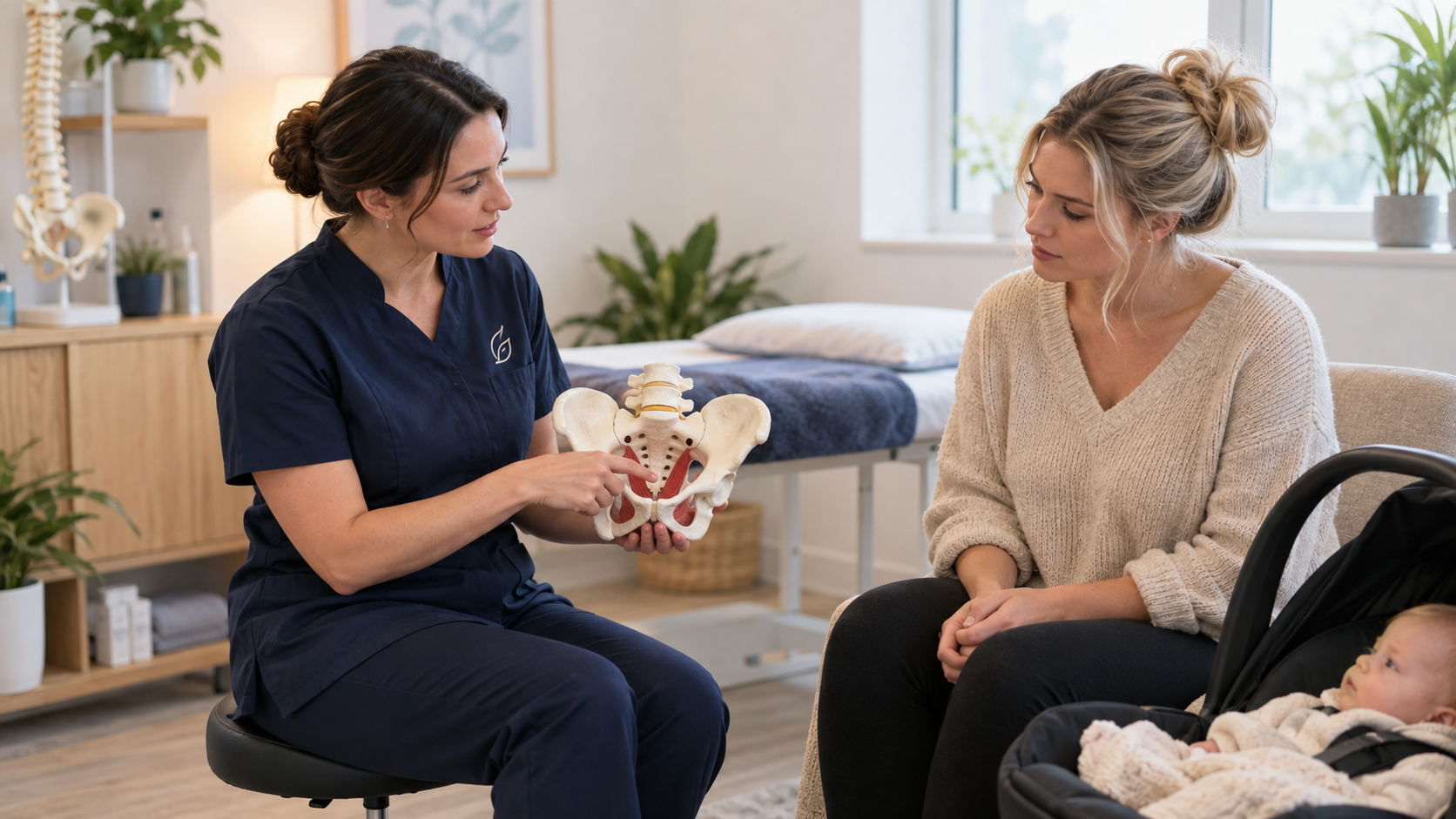
Physiotherapists may provide targeted exercise programmes to strengthen the pelvic floor and improve postnatal recovery. While effective for rehabilitation, this approach may not address the immediate discomfort many women experience during pregnancy.
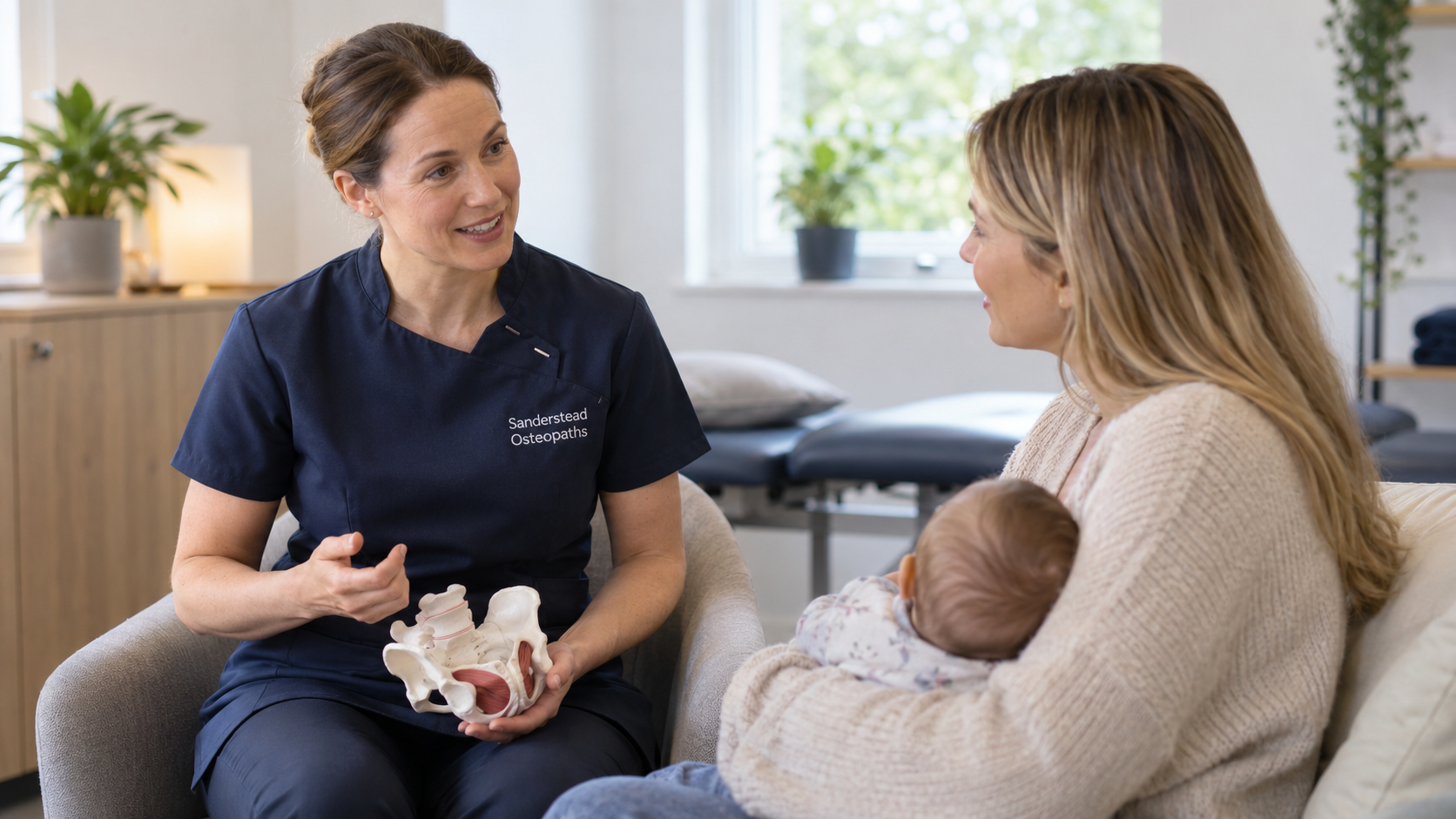
Osteopathy offers gentle, safe techniques that can relieve pregnancy-related discomfort in the back, pelvis, and hips, supporting mobility and comfort throughout gestation. At Sanderstead Osteopaths, osteopaths such as Lexi Roup integrate cranial osteopathy and clinical Pilates into treatment plans for expectant and new mothers, helping with both pain relief and functional recovery. Babies and children can also benefit: cranial osteopathy techniques are used to gently ease tension from birth, support feeding, and promote relaxation
I had treatments for backache and neck pain with both Tom and David, during pregnancy and after birth. I found the sessions really beneficial, they were gentle but straight to the point causing the pain. My mother sorted her backache in 4 treatments too. And I also got my newborn treated which helped her as she is much more relaxed now. I definitely recommend this clinic, osteopathy is good at any stage of life.
 Laura Vettore
August 28, 2023
Which Patients Benefit Most in Croydon?

When Physiotherapy Is Typically Recommended
Physiotherapy is often most effective in structured rehabilitation programmes where the injury or surgery has a clear and measurable endpoint. For example:
- Post-operative recovery after procedures such as knee or hip replacements, where targeted strengthening is crucial for regaining mobility.
- Isolated sports injuries, such as a straightforward ankle sprain, ligament tear, or rotator cuff repair, where progressive loading and strengthening are the main requirements.
- Neurological rehabilitation following stroke or certain neurological conditions, where physiotherapists are trained to provide highly specific movement retraining.
In these cases, physiotherapy provides a clear, step-by-step pathway with measurable progress markers. Patients in Croydon recovering from hospital procedures at Croydon University Hospital or Mayday may often be referred directly into physiotherapy services as part of their NHS or private aftercare.
Where physiotherapy is less effective is in long-term, multifactorial conditions, for example, recurrent back pain in office workers, neck strain in commuters, or stress-related muscular tension, where there is no single injury to target.
Why Osteopathy Often Proves More Effective
For Croydon residents, osteopathy frequently proves the more versatile and effective option, especially when pain is linked to lifestyle, posture, or long-term strain rather than a single traumatic event.
At clinics such as Sanderstead Osteopaths, osteopathy works particularly well for:
- Chronic back and neck pain caused by poor posture, long commutes, or sedentary working habits common in Croydon’s professional population.
- Recurring sports injuries, where underlying biomechanical issues — such as hip stiffness affecting knee alignment — need manual correction as well as exercise advice.
- Pregnancy and postnatal care, where gentle techniques combined with tailored clinical Pilates provide safe, practical support for mothers.
- Children and infants, through cranial osteopathy that addresses tensions from birth and supports healthy development.
- Older adults in Croydon, who often experience arthritis, joint stiffness, and reduced mobility, finding osteopathy’s manual techniques provide pain relief and help maintain independence.
Where physiotherapy largely focuses on exercise-led rehabilitation, osteopathy provides hands-on relief first, then combines it with tailored advice and preventative strategies. This makes it especially valuable for Croydon residents balancing busy lifestyles who need immediate improvement as well as long-term solutions.
Put simply: if your condition is complex, recurring, or linked to lifestyle patterns rather than a single injury, osteopathy is usually the better choice.
Thanks to Tom for treating me before and after my Marathon last year – I literally would not have been able to do it without him. He also treated me for a pulled shoulder and neck pain. I'll definitely use Sanderstead Osteopaths again – highly recommend! 👍
 Richard Belton
August 28, 2023
Qualifications, Regulation, and Professional Standards in the UK

General Osteopathic Council (GOsC) Requirements for Croydon Osteopaths
Every practising osteopath in the UK must be registered with the General Osteopathic Council (GOsC) — this is a legal requirement, not an optional credential. For patients in Croydon, this guarantees that any osteopath you see has:q
- Completed a minimum of four to five years of degree-level training, which includes anatomy, physiology, pathology, clinical medicine, and over 1,000 hours of hands-on clinical practice.
- Maintained annual registration by meeting the GOsC’s strict standards of competence, conduct, and ongoing professional development.
- Undergone enhanced checks and revalidation, ensuring their knowledge, ethics, and clinical skills are continually updated.
At Sanderstead Osteopaths, all practitioners are GOsC-registered, meaning Croydon patients can trust they are receiving care from qualified professionals who meet the highest statutory requirements. What makes osteopathy particularly reassuring is its emphasis on manual therapy safety and patient-centred care, where treatment is tailored to the individual rather than a rigid protocol.
For example, osteopaths such as Lexi Roup extend their qualifications further with specialist training in cranial osteopathy and clinical Pilates, allowing them to integrate regulated manual therapy with tailored exercise interventions. This kind of multi-dimensional expertise goes beyond baseline regulation and directly benefits patients with complex or chronic conditions.
Health and Care Professions Council (HCPC) Standards for Physiotherapists
Physiotherapists in Croydon, whether NHS or private, are regulated by the Health and Care Professions Council (HCPC). Like the GOsC, the HCPC ensures that only those who meet minimum professional training and conduct standards can practise.
Key requirements include:
- Completion of a BSc or MSc in Physiotherapy, usually lasting three years full-time.
- Adherence to HCPC standards of proficiency, which focus strongly on rehabilitation protocols, exercise prescription, and safe handling of post-surgical patients.
- Ongoing professional development, with physiotherapists required to show evidence of up-to-date knowledge and skills.
While physiotherapists meet strong regulatory standards, the focus of their training is generally more exercise-led and protocol-driven. This can suit very specific rehabilitation scenarios, for example, staged recovery after a knee replacement. However, it may not provide the same immediate hands-on relief or whole-body assessment that many Croydon residents find valuable when consulting an osteopath.
Great experience with Sanderstead Osteopaths. I began treatment due to a sports injury in my leg which greatly reduced my mobility. In all honesty, I just looked up osteopaths near me and these lads came up. Couldn’t be more happy with their work. My progress to recovery has taken time and obviously money to get to where I am now (back to 95%) but I couldn’t be more pleased. All of my treatment was by Paul Harmes. If you need something to be looked at, consider these guys. C
 Charles Thakker
December 28, 2023
Making the Right Choice for Your Recovery

When Osteopathy May Be the Better Option
Choose osteopathy when pain isn’t tied to one obvious incident and daily life in Croydon keeps stirring it up: desk work, long rail journeys via East or South Croydon, childcare, or training loads that fluctuate. Hands-on treatment helps when you need comfort and movement back now, not only after weeks of exercises.
Good indicators that osteopathy is the smarter first step:
- Stiffness and guarding that make it hard to turn, bend, or sit through meetings or commutes.
- Symptoms that shift (neck one week, mid-back the next) or radiate without a single “smoking gun” injury.
- Scan-light problems (nothing dramatic on imaging) but persistent, activity-sensitive pain.
- Headaches linked to the neck/upper back, jaw tension, or rib tightness affecting breathing ease.
- Pregnancy or early postnatal needs, where gentle, safe techniques and positioning matter.
- Previous exercise-only plans stalled, because pain never settled enough to train properly.
- Preference for drug-free care, with clear advice on posture, pacing, and simple at-home drills.
Osteopathy’s whole-body, manual approach reduces irritability, restores glide in joints and soft tissues, and makes day-to-day movement tolerable again, so any exercise you do next actually sticks.
When Physiotherapy May Be the Better Option
Physiotherapy is strongest when the route back to function is linear and measurable. Pick physio when you have:
- Post-operative goals (e.g., knee/hip/shoulder procedures) with set strength and range milestones.
- Clear tissue-specific injuries (e.g., repaired ligaments, known tendinopathy) needing graded loading.
- Neurological rehabilitation where task-specific retraining and balance work are central.
- Team-sport return-to-play protocols that demand hop tests, sprint metrics, or strength ratios.
- High motivation for homework, with time and space to follow a progressive plan between sessions.
You’ll still want pain well-managed; if discomfort blocks your ability to load, bring osteopathy into the mix (see below).
Combining Osteopathy and Physiotherapy in a Croydon Treatment Plan
Many Croydon patients do best with a sequenced blend, relieve, then rebuild:
- Phase 1 (short term): Osteopathy calms symptoms and restores movement (e.g., spinal/pelvic/rib mobilisation, soft-tissue work, simple mobility drills). Targets: easier sit-stand, smoother neck rotation for driving, walking without guarding on the school run in Sanderstead or Purley.
- Phase 2 (medium term): Physiotherapy layers in progressive strengthening (hip/knee/shoulder capacity, tendon loading, balance and control) using objective markers (pain scores, range in degrees, single-leg balance time, sit-to-stand reps).
- Phase 3 (long term): Maintenance with brief osteopathic tune-ups during spikes in workload or training, plus a pared-back strength routine to hold gains.
Coordination between providers keeps you moving forward: osteopathy makes loading possible, physiotherapy makes results durable. In practice, that might mean an office worker whose neck pain eases after two osteopathic sessions and then completes a six-week shoulder and upper-back plan, or a runner who regains hip mobility hands-on before building mileage with a staged return-to-run programme.
If you need one place to start in Croydon, begin with osteopathy to get comfortable quickly; add structured physio once movement is free enough to train confidently.
Why Sanderstead Osteopaths Can Help Guide Your Decision

Specialist Osteopathic Care for Croydon Patients
At Sanderstead Osteopaths, every patient is assessed as an individual rather than as a “condition to fix.” David Ayres leads the clinic with decades of experience in managing spinal complaints, postural dysfunction, and long-standing musculoskeletal pain. Patients who have tried traditional routes without relief often find his manual approach provides the turning point.
Alongside him, Peter Marett brings deep expertise in sports injuries and biomechanical assessment, working with both recreational and competitive athletes across Croydon. Lexi Roup combines cranial osteopathy with clinical Pilates, offering gentle yet powerful treatment for babies, children, and mothers through pregnancy and postnatal recovery. Paul Harmes is highly regarded for his success in treating recurring headaches and migraines, applying precise structural techniques that often resolve problems patients had assumed were untreatable.
This breadth of expertise under one roof means patients don’t just receive generic care, they’re matched with the right practitioner for their needs, whether that’s chronic spinal pain, athletic recovery, or family-centred support.
Working Alongside Physiotherapists and Other Healthcare Professionals
Osteopathy doesn’t exist in isolation. At Sanderstead Osteopaths, referrals and collaboration with Croydon’s physiotherapists, GPs, midwives, and consultants are part of everyday practice. This ensures patients get the best of both worlds: immediate hands-on relief combined with structured rehabilitation or medical input where appropriate.
For example, a patient recovering from knee surgery may see a physiotherapist for strengthening milestones, but osteopathy can reduce compensatory strain in the hips and lower back. Similarly, new mothers may receive physiotherapy for pelvic floor training while turning to osteopathy for back, pelvic, or rib discomfort that disrupts daily life. This integrative approach creates a seamless pathway for Croydon patients, with each discipline adding its strengths rather than competing.

Choosing the Best Path for Recovery in Croydon
Whether you’re managing persistent back pain from commuting, struggling with a sports injury that won’t settle, or navigating the physical demands of pregnancy and parenthood, your choice of care directly shapes your recovery. Physiotherapy remains highly effective for structured, post-operative rehabilitation and protocol-driven recovery. But for Croydon residents dealing with recurring, lifestyle-related, or complex conditions, osteopathy often provides the most immediate and sustainable results.
At Sanderstead Osteopaths, treatment goes beyond symptom relief. You gain a dedicated partner in your long-term health, with experienced practitioners, specialist skills across structural, cranial, and sports rehabilitation, and strong links to Croydon’s wider healthcare network.
The simplest next step is a consultation. One session is often enough to clarify whether osteopathy, physiotherapy, or a blended approach suits your case best. Book your appointment today with Sanderstead Osteopaths and take the first confident step back towards lasting comfort, mobility, and control of your health.