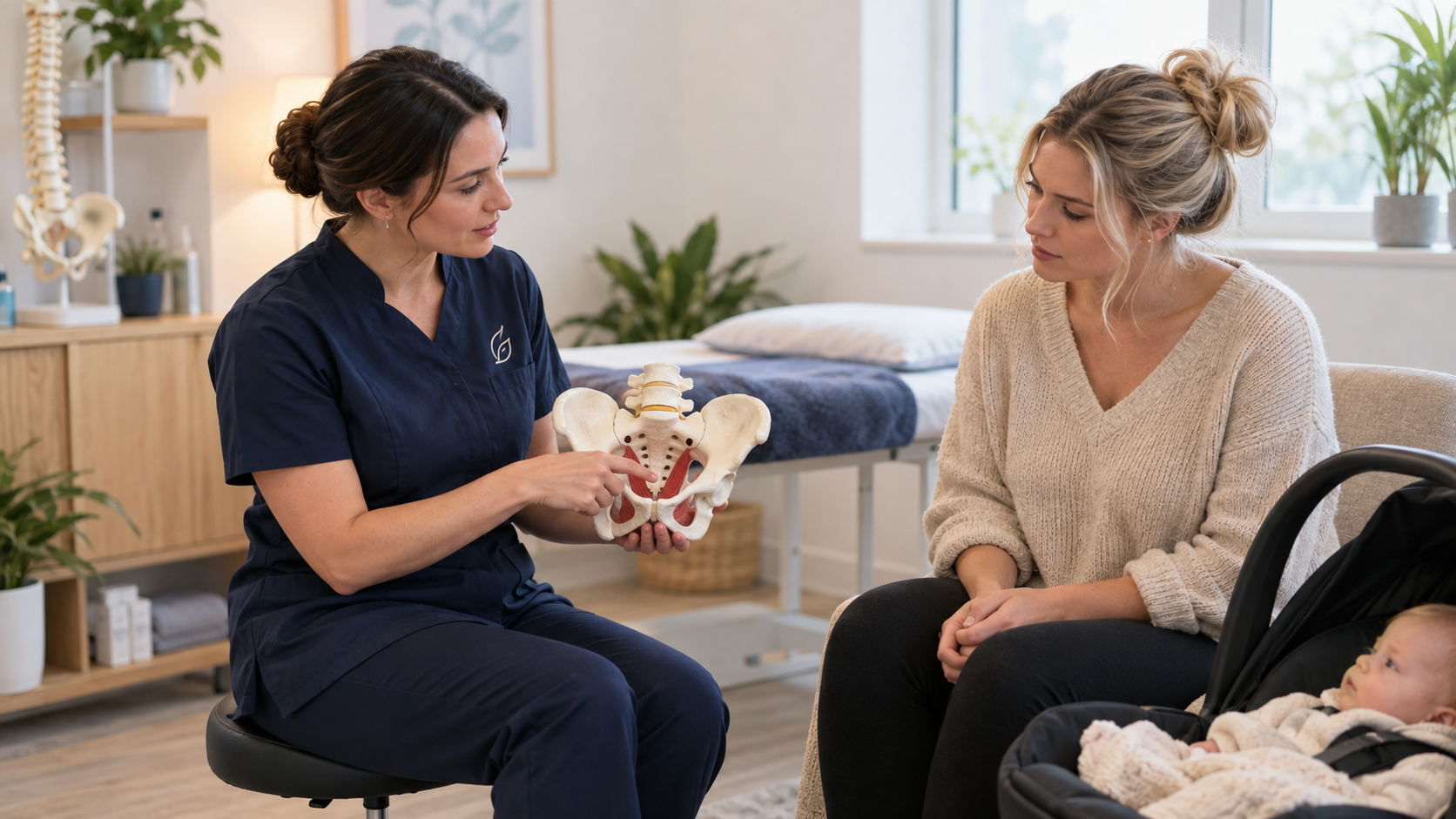
Osteopath, Chiropractor or Physio in Croydon – What’s the Difference?
When you’re in pain — whether it’s a stiff neck, chronic backache, a recurring sports injury or general discomfort from work or stress — knowing who to turn to can feel overwhelming. Osteopath? Chiropractor? Physiotherapist? These terms are often used interchangeably, yet each profession approaches pain and recovery differently. For residents across Croydon, from Sanderstead and South Croydon to Purley and Shirley, understanding these differences can help you make the right choice for your health and wellbeing.
At Sanderstead Osteopaths, we’re often asked to explain how osteopathy compares to physio or chiropractic care — especially by patients who have tried one approach and are now considering alternatives.
Why Croydon Patients Often Ask This Question

Navigating Multiple Treatment Options Locally
Croydon is home to a wide range of clinics offering osteopathy, physiotherapy and chiropractic care — which is great for choice, but it also means many people don’t know where to start. You might have heard a friend mention their physio helped with a sports injury, seen a chiropractor advertised near East Croydon Station, or found yourself reading reviews for an osteopath in Sanderstead. With so many options available, patients often wonder: “Who do I see for my issue?”
It’s common to feel confused, especially when dealing with ongoing pain or limited movement that’s affecting work, exercise, or daily life. That’s why understanding what each professional does — and how their approach might match your needs — is essential before you book.
How to Choose the Right Practitioner for Your Symptoms
The right practitioner for you depends on several factors: the type of pain you’re experiencing, how long you’ve had it, what treatments you’ve tried before, and what kind of care you respond well to. For example:
- If your pain feels muscular and postural, an osteopath might focus on releasing tension and improving full-body mobility.
- If your discomfort is clearly spinal or nerve-related, a chiropractor may offer targeted adjustments.
- If you’re recovering from surgery, injury or immobility, a physiotherapist may design an active rehab plan with exercise at its core.
What matters most is working with someone who listens, explains clearly, and treats your symptoms in context — not in isolation. At our clinic in Croydon, we often begin with a full-body assessment to determine whether osteopathy is the right fit — and if it’s not, we’re happy to refer you to someone who is.
The Importance of Understanding Different Approaches Before Booking
Each therapy profession is governed by its own philosophy, training standards and clinical approach. Booking in without understanding those differences can lead to frustration or mismatched expectations. A patient who’s expecting hands-on treatment might be surprised by a physio-led session that’s mostly exercise-based. Someone seeking gentle, whole-body support might find spinal adjustments too forceful.
That’s why we take time to educate our Croydon community on how osteopathy differs — so you can book your appointment with clarity and confidence. By understanding how different therapies assess, treat and manage pain, you’ll be better equipped to choose a path that supports your healing in a way that feels right for your body.
What Does an Osteopath Do?
Osteopaths are primary healthcare professionals who specialise in diagnosing, treating, and preventing a wide range of musculoskeletal issues — not just by focusing on the site of pain, but by understanding how the whole body moves, compensates, and functions as an integrated system. At Sanderstead Osteopaths, we support Croydon residents with an approach rooted in hands-on therapy, tailored movement advice, and whole-body awareness.
If you’re dealing with ongoing aches, stiffness, or pain that’s holding you back — whether it’s from long hours at a desk, postural stress, injury recovery or chronic tension — osteopathy offers a safe, natural, and highly personalised route to feeling better.

A Whole-Body, Movement-Based Approach to Pain Relief
What sets osteopathy apart is the way it views the body — not as isolated parts, but as a single, dynamic unit. An osteopath won’t just treat your sore shoulder or aching lower back in isolation; they’ll assess how your spine, pelvis, gait, posture and lifestyle habits are all working together. The goal is to restore fluid, efficient movement and to reduce areas of physical strain and compensation.
Whether you’re commuting from Croydon to central London, caring for young children in Selsdon, or recovering from a sports injury in Purley, our approach is designed to help you move more freely, with less pain and greater resilience. We focus on restoring function, not just masking symptoms.
Common Conditions Osteopaths Treat in Croydon
Osteopaths regularly help with a wide range of conditions, including:
- Lower back pain – from disc irritation to postural fatigue
- Neck and shoulder tension – often related to screen use or stress
- Headaches and jaw discomfort – especially tension-type and cervicogenic headaches
- Sciatica and nerve-related pain – linked to spinal compression or pelvic misalignment
- Joint pain – including hips, knees, wrists and shoulders
- Postural issues – from desk-based work, sedentary habits or asymmetrical movement
- Sports injuries and strain – whether from overuse, poor technique, or lack of recovery
- Pregnancy-related discomfort – including pelvic girdle pain and lower back tension
In Croydon, we treat patients from all walks of life — from office workers and active parents to older adults managing arthritis or stiffness, and teenagers experiencing growth-related musculoskeletal stress.
Techniques: Soft Tissue, Mobilisation, Postural Correction & Rehab
Osteopathic treatment is hands-on and highly individualised. Depending on your needs, your session may include:
- Soft tissue techniques – to reduce muscular tension, improve circulation and promote relaxation
- Joint mobilisation – gentle rhythmic movements to restore joint mobility and reduce stiffness
- Postural correction – identifying and addressing patterns that are placing stress on your body
- Stretching and muscle energy techniques – to improve flexibility and realign joint function
- Rehabilitation advice – including tailored exercises, pacing strategies and ergonomic guidance
Everything we do is guided by your comfort, your goals, and how your body responds. At Sanderstead Osteopaths, our aim is to get you back to doing what you love — whether that’s gardening in South Croydon, walking in Lloyd Park, playing sport at local clubs, or simply moving through your day without pain.
David has been treating my lower back pain. He provides a very professional service, and has a wealth of knowledge. Sanderstead Osteopath is a welcoming, cosy and clean clinic. On bad days when I have hardly been able to walk due to the pain, after David's treatment I feel I can do star jumps! The instant relief is noticeable. Parking is nearby which is very convenient. I highly recommend anyone to come here, you won't be disappointed.

 Tania Sang
August 28, 2023
What Does a Chiropractor Do?
Chiropractors are healthcare professionals who focus primarily on the spine, the alignment of the vertebrae, and the impact this alignment has on the nervous system. Their philosophy is rooted in the belief that a well-functioning spine supports a well-functioning body, and many treatments centre around specific manual adjustments to correct what they refer to as spinal “subluxations” or joint restrictions.
In Croydon, there are numerous chiropractic clinics offering spinal care — and while their approach differs from osteopathy or physiotherapy, it may be suitable for certain types of symptoms, especially when spinal mechanics or nerve irritation are involved.

Focus on the Spine, Nervous System & Manual Adjustments
Chiropractic care is strongly centred on spinal health. Practitioners believe that misalignments or restrictions in the spine can interfere with the nervous system’s ability to regulate and heal the body. Chiropractic adjustments — also known as spinal manipulations — are designed to restore proper alignment, improve nerve flow, and support the body’s natural healing processes.
Patients are typically assessed for spinal dysfunction through posture checks, movement tests, and palpation of the spine. Treatment may involve targeted adjustments to specific joints, often delivered with a quick, controlled movement that can produce an audible ‘click’ or ‘pop’. These adjustments are intended to improve mobility, reduce pain, and enhance the function of the nervous system.
Chiropractic Techniques and What to Expect
The most recognisable chiropractic technique is the spinal adjustment, but some practitioners also incorporate soft tissue work, stretching, or lifestyle advice. Treatments are often brief and frequent in the early stages, with care plans sometimes involving multiple sessions per week during the initial phase.
Many chiropractors use manual diagnostic tools such as spinal motion analysis or postural scans to assess alignment. During treatment, you might be positioned on a specially designed bench to allow specific areas of your spine to be targeted. While some patients find relief from adjustments, others may find the approach too forceful or prefer gentler manual therapy — which is where osteopathy may offer a better fit.
When Croydon Patients Might Choose Chiropractic Treatment
Croydon residents may choose chiropractic treatment for:
- Acute or chronic spinal pain, including neck or lower back issues
- Postural problems believed to be caused by misalignments
- Tension headaches or migraine-like symptoms related to neck stiffness
- Concerns about nerve-related pain, such as tingling, numbness or sciatica
- A desire for a spine-focused, adjustment-based approach to care
It’s worth noting that chiropractic care may not be suitable for everyone — especially those who are sensitive to high-velocity techniques or who prefer a broader, more holistic assessment of the entire body. At Sanderstead Osteopaths, we’re happy to advise on whether osteopathy or chiropractic treatment might be the better choice for your specific symptoms.
I’ve been attending Sanderstead Osteopaths to see David for a few years. The treatment is effective and the service professional.
 Stuart kennedy
August 28, 2023
Key Differences Between Osteopathy, Chiropractic and Physio
While osteopaths, chiropractors, and physiotherapists all treat pain and help people move better, their methods, philosophies, and treatment styles differ significantly. For patients in Croydon trying to decide who to see first, understanding these differences can help you avoid wasted time, money, or mismatched expectations.
Each profession offers something valuable — and the best choice depends on your symptoms, your preferences, and the type of support you’re looking for. Whether you’re dealing with a chronic desk-based injury in South Croydon, a sports issue in Sanderstead, or spinal pain in Purley, here’s how the three compare.

Training, Techniques and Treatment Style Compared
- Osteopaths undergo a four- or five-year degree focusing on anatomy, physiology, biomechanics, and clinical reasoning. Their style is hands-on, whole-body, and movement-focused. Techniques include soft tissue release, joint mobilisation, muscle energy work, and postural correction.
- Chiropractors also study for a similar length of time, with a strong emphasis on spinal alignment and neurology. Their treatment style centres on spinal adjustments (manipulations) designed to improve nerve flow. Sessions often involve shorter, more focused treatments with regular adjustments.
- Physiotherapists are trained in hospitals and clinics, often through an NHS framework. Their treatment typically includes rehabilitation exercises, muscle strengthening, and sometimes manual therapy or taping. Sessions tend to be more exercise- and education-driven, with less emphasis on hands-on bodywork unless provided privately.
Consultation Experience – What Varies Between Them
Your first appointment experience can vary quite a lot:
- With an osteopath, you’ll usually have a longer consultation and physical assessment. The treatment often begins on the first visit and includes hands-on therapy with ongoing advice tailored to your movement and posture.
- With a chiropractor, the initial consultation may include posture scans or spinal analysis. Some offer a brief explanation of findings and begin adjustments immediately; others may book a follow-up for the first treatment. Sessions are typically shorter but more frequent.
- With a physio, particularly in NHS settings, the first session may focus on assessment and goal-setting. You may be given a structured exercise programme to follow at home. Private physios may include some hands-on work, but the emphasis is usually on rehabilitation exercises over time.
Which One Should You See First for Your Specific Pain?
If you’re unsure who to see in Croydon, here’s a basic guide:
- Choose an osteopath if your pain feels linked to posture, movement, or generalised tension, and you want a full-body, hands-on approach that considers how your whole system is working together.
- Choose a chiropractor if you’re focused on spinal health or have nerve-related pain that may benefit from specific adjustments — especially if you’ve had success with chiropractic care before.
- Choose a physio if you're recovering from surgery, have a sports injury that needs structured rehab, or need a progressive exercise plan to build strength and stability.
Still unsure? At Sanderstead Osteopaths, we’re happy to assess your situation and advise you honestly. If we believe a chiropractor or physio is more appropriate for your needs, we’ll point you in the right direction — because the priority is always your recovery.
Absolutely brilliant. Lexi is a miracle worker, i always come away feeling back on track and realigned. I honestly dont know what i would do without her regular resets! She is lovely and the practice is always, welcoming, warm and quiet.
 Vicky
VickyFebruary 28, 2024
Choosing the Right Treatment Option in Croydon
With such a wide range of therapies available locally — including osteopathy, chiropractic care, and physiotherapy — it’s understandable that Croydon residents often feel uncertain about where to begin. Each profession offers its own unique strengths, but the key is choosing the one that aligns best with your specific symptoms, personal preferences, and recovery goals.
At Sanderstead Osteopaths, we’ve supported patients who were unsure where to turn after trying other treatments without lasting results. Our advice is always rooted in your needs — not in pushing a particular treatment style — because the right choice is the one that works best for you.

Factors to Consider – Pain Type, Preferences & Goals
Before choosing a treatment path, ask yourself:
-
What type of pain are you experiencing?
Is it muscular, joint-related, nerve-related, or general tension? Is it acute (recent) or chronic (long-term)? -
What has or hasn’t worked before?
Have you tried manual therapy, rehab, or spinal adjustments previously? Did anything feel too intense, or not hands-on enough? -
What are your personal goals?
Do you want pain relief, better mobility, stress reduction, or long-term movement correction? Do you prefer to be actively involved (through exercises) or receive mostly hands-on treatment?
If you value whole-body assessment, hands-on therapy that’s gentle but effective, and a plan tailored around your day-to-day lifestyle in Croydon, osteopathy is likely a strong fit.
How to Make an Informed Decision Based on Local Services
Look into local practitioners not just by title, but by how they describe their approach. Read reviews, browse clinic websites, and take note of whether they seem focused on your type of issue. For example:
- If you’re a Croydon-based commuter with desk-related back pain, osteopaths often provide excellent postural correction and tension release.
- If you’ve had a recent injury and need structured rehab, physiotherapy might be appropriate.
- If you’re seeking targeted spinal adjustments for nerve irritation, a chiropractor could be worth exploring.
Also consider location and accessibility — many of our clients choose Sanderstead Osteopaths because we’re conveniently located for South Croydon, Purley, Selsdon and surrounding areas, with flexible appointments and a calm, welcoming setting.
Booking an Osteopathy Consultation if You're Still Unsure
Still weighing up your options? Booking a consultation with an osteopath is a great place to start — especially if your symptoms aren’t responding to self-care or previous treatments. At Sanderstead Osteopaths, we offer detailed assessments to understand the root of your discomfort and to determine whether osteopathy is the most effective option for you.
You won’t be pressured into ongoing treatment, and if we believe another therapy would better suit your condition, we’ll explain why and help you make that connection. Ultimately, we’re here to help Croydon residents move better, feel better, and make informed choices that support long-term health and pain-free living.
Book with a Registered Osteopath in Croydon Today
If you’re dealing with persistent pain, postural issues, or movement restrictions — and you’re ready to take a proactive step towards lasting relief — booking with a registered osteopath is a smart, safe, and empowering choice. At Sanderstead Osteopaths, we’ve helped countless people across Croydon, South Croydon, Selsdon, Purley and Shirley regain confidence in their bodies and break free from the cycle of recurring discomfort.
Whether you’ve tried other therapies before or are completely new to osteopathy, we’re here to guide you through the process with clarity, care and real results. Our practice is fully regulated by the General Osteopathic Council (GOsC), and every treatment plan is built around your unique needs and goals.

What Makes Our Approach Unique
At Sanderstead Osteopaths, we don’t just treat symptoms — we treat people. What sets us apart is our commitment to understanding the full context of your pain: how you move, how you live, how your body responds to stress and strain, and what’s actually driving the issue beneath the surface.
We combine clinical expertise with personalised care, offering:
- Whole-body assessments that go beyond the pain site
- Gentle, effective hands-on therapy tailored to your comfort
- Realistic advice for home care, workplace posture, movement habits and long-term prevention
- A calm, supportive environment where you feel heard — not rushed
Our goal isn’t just to help you feel better temporarily. It’s to help your body move with ease, function better, and stay resilient — long after your sessions are complete.
Convenient Appointments Near East Croydon & South Croydon
Our osteopathy clinic is ideally located for residents across Croydon, with easy access from:
- East Croydon Station – for commuters and busy professionals
- South Croydon and Sanderstead – just a short drive or bus ride away
- Surrounding areas like Purley, Shirley, and Selsdon – perfect for local families and older adults
We offer flexible appointment times, including daytime, evening and weekend slots, so you can find a time that fits your routine. Whether you’re managing pain from remote work, recovering from sport, or looking to stay mobile in later life, we make expert osteopathic care accessible and straightforward.
What to Expect at Your First Visit
At your first appointment, you’ll receive a thorough consultation and assessment. We’ll ask about your symptoms, health history, lifestyle and goals — and then perform a physical examination to assess how your body moves and functions.
If appropriate, you’ll receive hands-on treatment during your first session, using techniques that are safe, gentle and specifically chosen for your needs. We’ll also discuss next steps — whether that’s follow-up treatment, self-care advice, or exercises you can begin at home.
You’ll leave not just feeling supported, but with a clear understanding of your condition and a plan to help you move forward with confidence. If you’re ready to break the cycle of pain and rediscover what your body is capable of, we’re ready to help — right here in Croydon.