What Is an Osteopath?

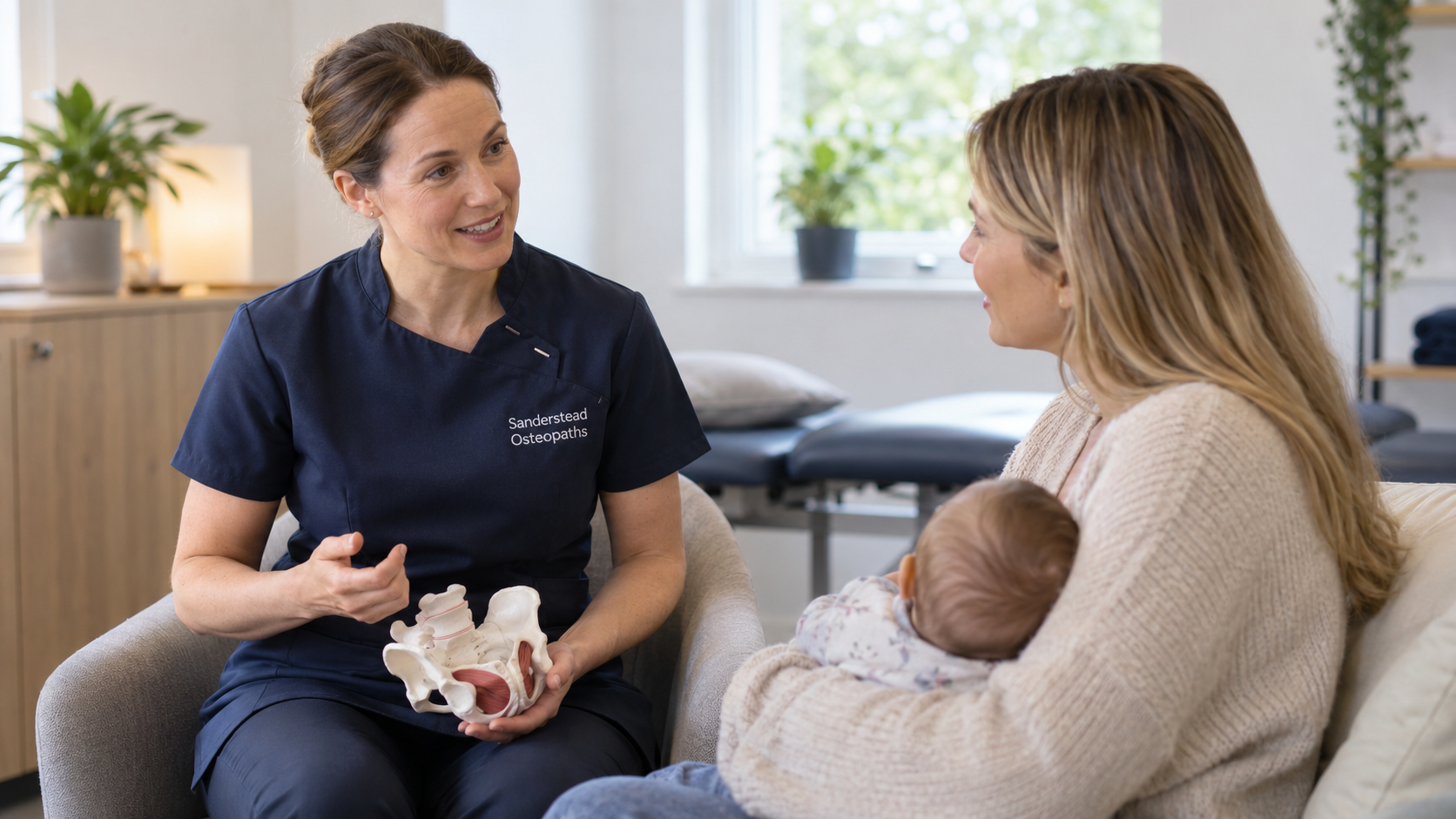
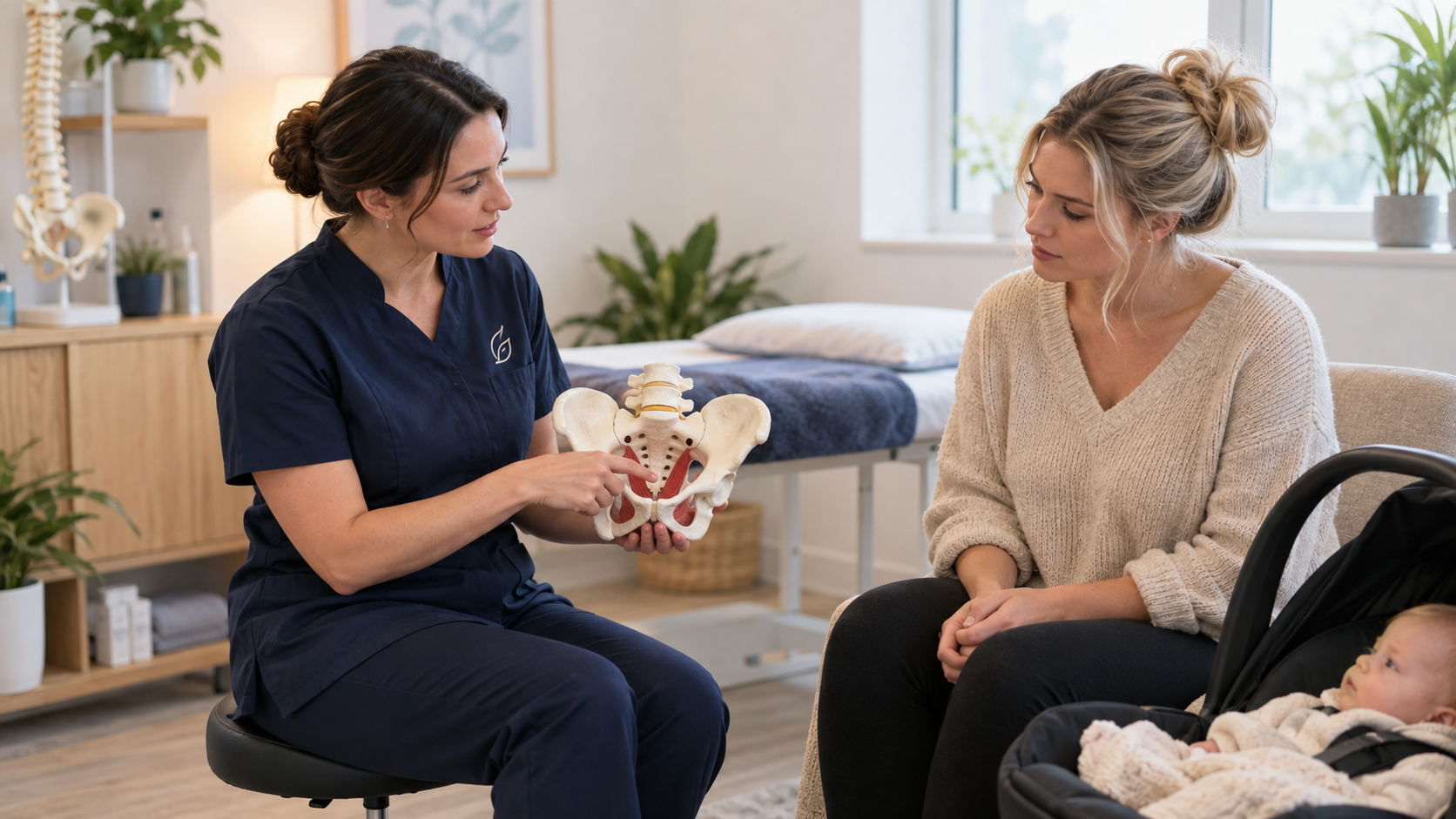
An osteopath is a regulated healthcare professional trained to assess, diagnose, and manage a wide range of musculoskeletal conditions. This includes problems affecting muscles, joints, ligaments, nerves, and connective tissues, as well as how these structures interact with the rest of the body. Osteopathy is based on the principle that the body functions as an integrated unit, and that pain or dysfunction in one area can influence movement and symptoms elsewhere.
Osteopaths use detailed case history taking, physical examination, and clinical reasoning to understand not only where symptoms are felt, but why they may be occurring. Rather than focusing solely on a diagnosis label or scan result, an osteopath considers posture, movement patterns, previous injuries, occupational demands, stress, and general health factors that may be contributing to the problem.
In the UK, osteopaths are primary contact practitioners. This means patients do not need a GP referral to book an appointment. Osteopaths are trained to recognise when symptoms fall outside their scope of practice and will refer to a GP or specialist when red flags, systemic illness, or serious pathology are suspected.
What Exactly Does an Osteopath Do?

Assessing the Whole Body Rather Than Isolated Symptoms
An osteopathic appointment begins with a comprehensive assessment. This includes discussing current symptoms, medical history, previous injuries, medications, lifestyle factors, and any relevant imaging or reports. The aim is to build a clear picture of how the issue developed and what may be maintaining it.
Physical examination involves observing posture and movement, assessing joint range, muscle tone, nerve sensitivity, and tissue quality. An osteopath may examine areas away from the site of pain if they appear biomechanically relevant. For example, hip or spinal movement may be assessed in someone with knee pain, or breathing mechanics may be considered in persistent neck or upper back symptoms.
This whole body approach helps identify functional restrictions, load management issues, or movement compensations that can place strain on tissues over time. It also allows osteopaths to distinguish between mechanical pain and symptoms that may require medical investigation.
Hands-On Treatment Techniques Used by Osteopaths
Osteopaths use a range of hands-on techniques selected according to the individual and their presentation. These may include soft tissue techniques to address muscle tension, joint mobilisation to improve movement, muscle energy techniques to restore balance and control, and gentle articulatory methods to encourage normal joint function.
Joint manipulation, sometimes referred to as cracking, may be used in some cases but is never mandatory and is only one of many available tools. Techniques are chosen based on clinical findings, patient preference, comfort, and safety. Many treatments are subtle and do not involve forceful movements.
Treatment aims to reduce pain, improve movement efficiency, and support the body’s own capacity to adapt and recover. Osteopaths continually reassess response to treatment and adjust their approach as symptoms change.
Supporting Recovery Through Movement Advice and Rehabilitation
Hands-on treatment is usually combined with advice and rehabilitation guidance. Osteopaths often provide simple, targeted exercises to improve strength, mobility, coordination, or posture, depending on what the assessment identifies as relevant.
Advice may also include guidance on activity modification, work ergonomics, pacing strategies, and return to sport or exercise. This helps reduce the risk of recurring symptoms and empowers patients to take an active role in their recovery rather than relying solely on treatment sessions.
If you would like a personalised assessment and management plan, you can call our friendly team, use our contact page or book online with one of our osteopaths at Sanderstead Osteopaths
I had treatments for backache and neck pain with both Tom and David, during pregnancy and after birth. I found the sessions really beneficial, they were gentle but straight to the point causing the pain. My mother sorted her backache in 4 treatments too. And I also got my newborn treated which helped her as she is much more relaxed now. I definitely recommend this clinic, osteopathy is good at any stage of life.

 Laura Vettore
August 28, 2023
Why Would Someone Go to See an Osteopath?

Common Reasons Patients Seek Osteopathic Care
People choose to see an osteopath for many different reasons, most commonly when pain, stiffness, or reduced movement begins to interfere with daily life. At Sanderstead Osteopaths, our team routinely sees patients who have developed symptoms gradually through work, sport, or lifestyle demands, as well as those whose pain has followed a specific injury or period of strain.
Some patients attend because a problem is new and they want it properly assessed early. Others come after weeks or months of ongoing discomfort that has not settled with rest, pain relief, or general exercise. Osteopathy appeals to people who want a thorough clinical assessment and an explanation that links their symptoms to how their body is functioning as a whole.
It is also common for patients to seek osteopathic care when they feel their symptoms do not fit neatly into a single diagnosis. Recurrent back pain, fluctuating neck stiffness, or aches that move around the body can all benefit from a whole body assessment rather than focusing on one isolated area.
Musculoskeletal Pain, Nerve Symptoms, and Movement Restrictions
Osteopaths frequently assess and manage musculoskeletal pain affecting the spine, shoulders, hips, and limbs. This includes back pain, neck pain, joint discomfort, muscle strains, and stiffness that limits normal movement. Many patients attend when pain starts to affect sleep, work concentration, or confidence with exercise.
Nerve related symptoms such as pins and needles, numbness, or referred pain into an arm or leg are another common reason for seeking osteopathic assessment. These symptoms can be unsettling, and an osteopath’s role is to determine whether they are likely to be mechanical in nature or whether referral for further medical investigation is required.
Restricted movement is not always painful but can still have a significant impact on function. Reduced spinal mobility, difficulty turning the head, or loss of flexibility after injury can alter how the body loads during everyday activities. Osteopathic care aims to understand why movement has changed and how this may be contributing to ongoing symptoms.
Preventative Care and Support for Long-Term Physical Health
Not everyone who sees an osteopath is in acute pain. Some patients attend to address recurring issues, manage long term conditions, or reduce the likelihood of future flare ups. This may include support during periods of increased physical demand, such as returning to exercise, changing jobs, or managing the physical effects of prolonged sitting or manual work.
Preventative osteopathic care focuses on identifying areas of reduced movement, imbalance, or overload before they become more significant problems. Advice around posture, activity levels, strength, and recovery is often an important part of this process, helping patients make sustainable changes that support long term physical health.
If you are unsure whether osteopathy is appropriate for your symptoms, our osteopaths at Sanderstead Osteopaths can assess your concerns and advise on suitable next steps. You can call our friendly osteopathic team, use our contact page or book online with one of our osteopaths.
How Do You Know If You Need an Osteopath?

Signs That Pain or Stiffness May Benefit from Osteopathic Assessment
Many people are unsure whether their symptoms are something that will settle on their own or whether they warrant professional assessment. Pain or stiffness that affects how you move, sit, sleep, or carry out everyday tasks is often a sign that the body is struggling to adapt. This may include difficulty turning the head, pain when bending or lifting, or a feeling of restriction that does not ease with gentle movement.
Other signs include symptoms that return repeatedly after seeming to improve, or discomfort that spreads to other areas over time. For example, low back pain that begins to affect the hips or legs, or neck tension that is accompanied by headaches or shoulder discomfort. These patterns can suggest an underlying mechanical or movement related issue that may benefit from osteopathic assessment.
An osteopath can help determine whether symptoms are likely to be musculoskeletal in nature or whether further medical input is needed, providing reassurance and clear guidance on next steps.
When Symptoms Persist Despite Rest or Self-Management
Short term aches and strains often improve with rest, activity modification, or simple self care. However, if symptoms persist beyond a couple of weeks, continue to worsen, or keep returning when normal activity is resumed, this may indicate that the underlying cause has not been addressed.
People often seek osteopathic care after trying stretching, exercise videos, pain relief, or changing their workstation without lasting improvement. This does not mean these strategies were wrong, but rather that a more individualised assessment may be required to understand why symptoms are not settling.
Osteopaths are trained to look at how joints, muscles, nerves, and movement patterns interact. This allows treatment and advice to be tailored to the specific factors contributing to ongoing symptoms, rather than relying on generic solutions.
Understanding the Difference Between Normal Aches and Treatable Dysfunction
It is normal to experience occasional aches after physical activity, long periods of sitting, or disrupted sleep. These sensations usually ease within a few days and do not significantly limit movement or confidence. Treatable dysfunction is more likely when discomfort feels persistent, disproportionate, or is associated with clear movement restriction or recurring pain patterns.
Warning signs that should prompt medical review rather than osteopathic care alone include unexplained weight loss, fever, night pain that does not ease with position changes, recent significant trauma, or progressive neurological symptoms such as worsening weakness or loss of bladder or bowel control. An osteopath will screen for these issues and refer appropriately if needed.
If you are uncertain whether your symptoms fall into the category of normal aches or something that would benefit from assessment, our team can help clarify this. Feel free to contact us at Sanderstead Osteopaths to arrange an appointment and receive clear, honest advice tailored to your situation.
Is an Osteopath a Qualified Doctor?

Osteopath Training, Regulation, and Legal Status in the UK
An osteopath is a qualified healthcare professional, but in the UK an osteopath is not a medical doctor in the same way as a GP or hospital consultant. Osteopaths do not train in general medicine or surgery, and they do not prescribe medication. However, they are extensively trained in anatomy, physiology, pathology, clinical examination, diagnosis, and the management of musculoskeletal conditions.
To practise legally in the UK, an osteopath must complete an approved osteopathic degree, typically lasting four to five years. This training includes academic study alongside supervised clinical practice, ensuring graduates are competent to assess patients safely and recognise conditions that fall outside their scope of care.
The term doctor is not required to describe osteopaths in the UK, but osteopaths are recognised as primary contact practitioners. This means patients can book an appointment directly without a referral, and osteopaths are trained to make appropriate onward referrals when medical assessment is required.
The General Osteopathic Council and Protected Title
Osteopathy is a statutorily regulated profession in the UK. The General Osteopathic Council, known as the GOsC, is the regulatory body established by Act of Parliament to protect patients and maintain professional standards. By law, only practitioners registered with the GOsC are allowed to use the title osteopath.
Registration requires completion of an accredited degree, adherence to strict standards of practice, professional conduct, and ongoing continuing professional development. Osteopaths are also required to hold professional indemnity insurance and are subject to fitness to practise procedures if concerns arise.
This regulation provides patients with reassurance that an osteopath meets nationally recognised standards of training, safety, and accountability.
How Osteopaths Work Alongside GPs and Consultants
Osteopaths frequently work alongside GPs, consultants, physiotherapists, and other healthcare professionals as part of a wider care pathway. When symptoms suggest inflammatory conditions, neurological compromise, fracture, infection, or other non mechanical causes, osteopaths will refer patients back to their GP or onward to specialist services.
Many patients attend osteopathic clinics while also receiving care within the NHS or privately, using osteopathy as part of a broader management approach. Clear communication and appropriate referral are central to safe practice, ensuring patients receive the right care at the right time.
If you would like to discuss whether osteopathic assessment is appropriate for your symptoms, contact our friendly team at Sanderstead Osteopaths to arrange an appointment or to seek guidance on the most suitable next steps.
I have suffered with various back problems, especially lower back and shoulder tension. David has helped with my symptoms quickly and effectively. He is extremely professional and knowledgeable. I can highly recommend this practice and I will continue to use them in the future.
 Kim Fyfe
August 28, 2023
Does the NHS Recognise Osteopaths?

Osteopathy Within the UK Healthcare System
Osteopathy is recognised within the UK healthcare system as a regulated allied health profession. Osteopaths are governed by the General Osteopathic Council and are trained to assess, diagnose, and manage musculoskeletal conditions safely and independently. While osteopaths do not work directly for the NHS in the same way as GPs or hospital consultants, their role is widely understood and respected within primary care.
GPs and other NHS clinicians are familiar with osteopathy and may discuss it as one of several conservative care options for musculoskeletal pain, alongside physiotherapy, exercise based rehabilitation, and pain management. Osteopaths are also trained to identify conditions that require medical investigation and to refer patients back into NHS pathways when appropriate.
This recognition helps ensure that patients can move between osteopathic care and NHS services without conflict, with a shared focus on patient safety and appropriate clinical decision making.
NHS Referrals, Private Care, and Integrated Services
Most osteopathic treatment in the UK is provided privately, and patients usually self refer rather than being formally referred by the NHS. However, some GP practices and NHS services may recommend osteopathy as part of a broader management plan, particularly for ongoing musculoskeletal problems.
In certain areas, osteopaths may be involved in multidisciplinary or commissioned services, although availability varies by region. Even when treatment is accessed privately, osteopaths regularly liaise with GPs, physiotherapists, and consultants to support coordinated care when required.
Patients attending private osteopathic clinics can continue to receive NHS care alongside osteopathy, including investigations, medication, or specialist input where appropriate.
When Osteopathic Treatment May Be Recommended or Supported
Osteopathic treatment may be recommended or supported when symptoms are considered mechanical or musculoskeletal in nature, such as back pain, neck pain, joint stiffness, or movement related discomfort. It is commonly used as part of a conservative approach before more invasive interventions are considered.
Osteopathy is not a replacement for medical care, and it is not appropriate for all conditions. Osteopaths will advise against treatment and refer on if symptoms suggest infection, inflammatory disease, fracture, significant neurological change, or other medical concerns.
If you are considering osteopathy and would like clear guidance on whether it is appropriate for your situation, contact our fully qualified osteopaths to arrange an assessment or to discuss your symptoms with one of our osteopaths.
What Is the Difference Between an Osteopath and a Chiropractor?

Differences in Philosophy, Assessment, and Treatment Approach
Osteopaths and chiropractors both work with musculoskeletal conditions and use hands-on treatment, which can make the two professions seem similar at first glance. The main difference lies in how each profession approaches assessment and clinical reasoning. Osteopathy places strong emphasis on understanding how the whole body functions together, considering joints, muscles, nerves, posture, movement patterns, and general health in relation to symptoms.
Chiropractic care traditionally focuses more specifically on the spine and its relationship to the nervous system, with treatment often centred around spinal joint manipulation. While modern chiropractic practice can be broad, the clinical focus may be narrower depending on the practitioner’s training and approach.
Osteopaths typically use a wider range of techniques within a single appointment, selecting from soft tissue work, joint mobilisation, articulation, muscle energy techniques, and, where appropriate, manipulation. Treatment is guided by the findings of a full body assessment rather than a single treatment method.
Regulation, Training, and Scope of Practice Compared
In the UK, both osteopaths and chiropractors are statutorily regulated healthcare professionals. Osteopaths are regulated by the General Osteopathic Council, while chiropractors are regulated by the General Chiropractic Council. Both professions require completion of an approved degree, adherence to professional standards, and ongoing continuing professional development.
Osteopathic training typically covers a broad range of medical sciences alongside extensive hands-on clinical education. Osteopaths are trained to assess, diagnose, and manage musculoskeletal conditions and to recognise when referral to a GP or specialist is required.
Neither profession prescribes medication or performs surgery. The scope of practice for both focuses on conservative management of musculoskeletal problems, with differences largely reflecting assessment style, clinical emphasis, and treatment philosophy rather than safety or legitimacy.
Choosing the Right Practitioner for Your Symptoms
Choosing between an osteopath and a chiropractor often comes down to personal preference, the nature of your symptoms, and the type of approach you feel most comfortable with. Some people prefer a broader whole body assessment, while others are seeking care that focuses primarily on spinal symptoms.
If you are unsure which type of practitioner is most appropriate, an initial assessment can help clarify this. Osteopaths are trained to advise if another form of care may be more suitable for your presentation.
If you would like to explore whether osteopathy is the right option for you, you can contact us to arrange an appointment or to discuss your symptoms with one of our osteopaths.
If you’re uncertain whether your headaches require medical investigation or could benefit from manual therapy, call our experienced team at Sanderstead Osteopaths. We’ll guide you on the best next steps and ensure you receive the right care and referrals for your situation.
Have seen both David and Clare on and off over the last 4 years with lower back pain/stiffness. They really know their stuff and have always provided me with solutions to my lower back. My job is quite demanding and doesn't help the pain (lots of driving and lifting) but knowing David and Clare will always be there to help at Sanderstead Osteopaths it puts my mind at rest. I started going weekly and with the regular treatments it's eased the pain so now I am going every 2-4 weeks. I would highly recommend either of these guys!
 James McClelland
August 28, 2023
What Is the Difference Between a Physio and an Osteopath?

Overlapping Skills and Distinct Clinical Emphases
Physiotherapists and osteopaths both work with pain, injury, and movement related problems, and there is significant overlap in the conditions they assess and treat. Both professions are trained in anatomy, biomechanics, rehabilitation, and the management of musculoskeletal conditions, and both play important roles in conservative care.
The key distinction often lies in clinical emphasis rather than capability. Physiotherapy traditionally places strong focus on rehabilitation through exercise, movement retraining, and functional recovery, particularly following surgery or acute injury. Osteopathy places additional emphasis on hands-on assessment and treatment to understand how joint movement, soft tissues, and mechanical load may be contributing to symptoms.
In practice, many patients find the experience differs more between individual practitioners than between professions. Both physiotherapists and osteopaths aim to improve movement, reduce pain, and support long term function.
Manual Therapy, Exercise Prescription, and Rehabilitation Models
Physiotherapists commonly use structured exercise programmes to restore strength, flexibility, balance, and coordination. These programmes are often progressive and goal driven, particularly in sports rehabilitation or post operative recovery.
Osteopaths also prescribe exercises but typically combine them with hands-on techniques aimed at improving joint mobility, reducing muscle tension, and supporting more efficient movement. The hand- on component is often used to reduce barriers to movement so that rehabilitation exercises can be performed more comfortably and effectively.
Both approaches are evidence informed and can be highly effective when matched appropriately to the individual. Some patients benefit from a predominantly exercise led approach, while others respond well to a combination of manual therapy and targeted rehabilitation.
When One Approach May Be More Suitable Than the Other
A physiotherapist may be particularly suitable if you are recovering from surgery, managing a sports injury with clear performance goals, or following an NHS pathway that includes structured rehabilitation. An osteopath may be well suited when symptoms are more complex, recurrent, or involve multiple areas of the body with movement restrictions that benefit from hands-on assessment.
It is also common for patients to move between physiotherapy and osteopathy at different stages of their recovery, using each approach where it is most helpful. Good communication between practitioners helps ensure continuity of care.
If you are unsure which option is right for you, our osteopaths at Sanderstead Osteopaths can assess your symptoms and advise on the most appropriate approach or referral. Contact us to arrange an appointment or to discuss your needs in more detail.
Is Osteopathy Better Than Massage?

The Difference Between Therapeutic Massage and Osteopathic Care
Osteopathy and massage therapy serve different purposes, and one is not inherently better than the other. Massage therapy focuses primarily on soft tissue, aiming to reduce muscle tension, promote relaxation, and ease discomfort. It can be very effective for managing stress related tightness, general muscle soreness, and short term relief of aches.
Osteopathic care includes hands-on techniques but extends beyond soft tissue work alone. An osteopath assesses joints, muscles, nerves, posture, and movement patterns to understand why symptoms are present. Treatment is guided by clinical findings rather than focusing solely on the area of discomfort.
Many patients use both approaches at different times. Massage may help with symptom relief and relaxation, while osteopathy may be more appropriate when pain is recurrent, movement is restricted, or symptoms are affecting daily function.
Clinical Assessment vs Symptom Relief Alone
One of the key differences between osteopathy and massage is the level of clinical assessment involved. Osteopaths take a detailed medical history and perform physical examinations to identify mechanical dysfunction, nerve involvement, or patterns of overload that may be contributing to pain.
Massage therapy does not typically involve diagnosis or medical screening, and its primary aim is symptom relief rather than addressing underlying movement issues. This does not reduce its value, but it does mean it may be less suitable when symptoms are persistent, worsening, or accompanied by neurological signs.
Osteopaths are also trained to recognise when symptoms suggest a condition that requires medical referral rather than manual treatment alone.
When Massage Can Be Helpful and When Further Assessment Is Needed
Massage can be very helpful for managing muscle tension, promoting recovery after exercise, supporting wellbeing, and easing stress related discomfort. It may be appropriate when symptoms are mild, short lived, and clearly linked to muscle fatigue or stress.
Further assessment is usually advisable when pain keeps returning, is associated with restricted movement, affects sleep or daily activities, or includes symptoms such as numbness, tingling, or weakness. In these situations, understanding the cause of the problem is often as important as relieving the symptoms.
If you are unsure whether massage or osteopathic care is more appropriate for your situation, our osteopaths at Sanderstead Osteopaths can help guide you. Receive clear advice tailored to your needs by calling us, using our contact page or by booking an appointment online.
Very knowledgeable, nice people
 Bernt Hellman
January 28, 2024
Do Osteopaths Do Cracking?

What Joint Manipulation Is and What It Is Not
Some osteopaths use a technique called joint manipulation, which is sometimes described as cracking. This involves a quick, controlled movement applied to a joint within its normal range of motion. The aim is to improve joint mobility and reduce stiffness, not to force bones back into place or cause damage.
Joint manipulation is not used in every appointment and is never essential for treatment to be effective. Many osteopathic techniques are gentle and do not involve rapid movements. Osteopaths will only consider manipulation if it is clinically appropriate, safe, and acceptable to the patient.
Consent and patient comfort are central to osteopathic care. An osteopath will always explain proposed techniques and adapt treatment based on individual preference and medical history.
The Science Behind Joint Cavitation Sounds
The cracking or popping sound sometimes heard during joint manipulation is known as cavitation. This sound is caused by a rapid change in pressure within the joint fluid, leading to the formation and collapse of gas bubbles. It is not the sound of bones grinding or joints being damaged.
Research shows that cavitation itself is not harmful and does not indicate that a joint has been put back into place. The sound may occur during movement or stretching and is not required for a technique to be effective.
Importantly, the presence or absence of a cracking sound does not determine treatment success. Many effective osteopathic techniques produce no audible noise at all.
Why Cracking Is Only One of Many Techniques Used
Osteopathy includes a wide range of treatment approaches, and joint manipulation is just one option among many. Osteopaths also use soft tissue techniques, joint mobilisation, muscle energy techniques, articulatory movements, and advice on exercise and movement.
Treatment is tailored to the individual, taking into account age, comfort, medical history, and personal preference. For some people, manipulation is not appropriate or desired, and effective care can still be provided without it.
If you have concerns about cracking or would prefer a treatment approach that avoids manipulation, our osteopaths at Sanderstead Osteopaths can discuss options with you and tailor care accordingly. You can contact Sanderstead Osteopaths to arrange an appointment or to ask any questions before attending.
Frequently Asked Questions About Osteopathy
What is an osteopath?
An osteopath is a regulated healthcare professional who assesses, diagnoses, and manages musculoskeletal conditions. Osteopaths focus on how the body’s joints, muscles, nerves, and connective tissues work together and how movement and mechanical strain can contribute to pain or dysfunction. In the UK, osteopaths are primary contact practitioners, meaning you can book an appointment without a GP referral.
What exactly does an osteopath do?
An osteopath carries out a detailed assessment that includes medical history taking, physical examination, and movement analysis. Treatment may involve hands-on techniques to improve joint mobility, reduce muscle tension, and support normal movement, alongside advice on exercise, posture, and activity modification. The aim is to address contributing factors rather than focusing only on symptoms.
Is an osteopath a qualified doctor?
Osteopaths are qualified healthcare professionals but are not medical doctors in the same way as GPs or hospital consultants. They complete a four to five year degree and are regulated by the General Osteopathic Council. Osteopaths do not prescribe medication but are trained to recognise when medical referral is required.
Does the NHS recognise osteopaths?
Yes, osteopathy is a recognised and regulated profession within the UK healthcare system. While most osteopathic care is accessed privately, GPs and NHS services are familiar with osteopathy and may recommend it as part of conservative management for musculoskeletal conditions. Osteopaths regularly work alongside NHS services when referral or shared care is appropriate.
How do you know if you need an osteopath?
You may benefit from seeing an osteopath if pain, stiffness, or movement restriction is affecting your daily activities, persists despite rest, or keeps returning. An osteopath can assess whether symptoms are likely to be musculoskeletal in nature and advise on suitable treatment or onward referral if needed.