
The Mummy MOT
Pregnancy and childbirth create sustained changes across the musculoskeletal system, core stability system, and pelvic floor function. These changes are necessary, but they alter how the body distributes load, stabilises movement, and generates force. A Mummy MOT is a clinically structured postnatal assessment designed to evaluate how well these systems have recovered and whether the body is functioning efficiently in real-world movement.
This is not a superficial check. It is a functional, biomechanical, and osteopathic assessment that identifies weakness, compensation patterns, and movement inefficiencies before they develop into persistent problems. The objective is simple: restore strength, restore control, and restore confidence in your body.
If your body feels different, less stable, or not as strong as expected, that is not something to overlook. Early assessment leads to faster, more complete recovery.
What Is a Mummy MOT and Why It Matters After Pregnancy
A Mummy MOT is a comprehensive postnatal assessment that evaluates core function, pelvic floor coordination, postural alignment, and movement mechanics following pregnancy. It is typically carried out from six weeks postnatal onwards, but remains clinically relevant months or years later.
The focus is on functional recovery, not assumed recovery.
This includes:
- Load transfer through the spine and pelvis
- Core stability and abdominal wall integrity
- Pelvic floor response to pressure and movement
- Movement efficiency during everyday tasks
Pregnancy leads to a predictable sequence of adaptations:
Forward shift in centre of mass → increased lumbar extension → altered pelvic alignment → reduced abdominal tension → increased pelvic floor demand.
If these adaptations are not reversed through targeted recovery:
Reduced core stability leads to compensatory movement
Compensatory movement increases mechanical strain
Mechanical strain leads to pain, dysfunction, and reduced performance
A Mummy MOT identifies exactly where in that chain the issue sits.
If you are unsure whether your recovery is complete, or you want a precise understanding of how your body is functioning, this assessment provides clarity. Sanderstead Osteopaths can guide you through a detailed evaluation and structured recovery plan tailored to your body.
Why the Standard 6 Week Check Often Misses Underlying Issues
The six-week postnatal review confirms medical recovery. It does not assess biomechanical performance or neuromuscular coordination.
There is no detailed evaluation of:
- Transversus abdominis activation
- Pelvic floor timing and reflex response
- Intra-abdominal pressure management
- Dynamic postural control
This creates a clinical gap:
Medically stable does not mean mechanically efficient
Healed tissue does not mean restored function
As a result, many women experience:
- Delayed onset lower back pain
- Pelvic instability under load
- Reduced strength during lifting or exercise
- Persistent postural fatigue
These issues are not random. They are the result of incomplete functional recovery.
If your body feels capable at rest but struggles under movement or load, that is precisely what a Mummy MOT is designed to assess. Sanderstead Osteopaths provides a structured evaluation that identifies these issues before they become chronic.
The Physical Impact of Pregnancy and Childbirth on the Body
Pregnancy induces multi-system changes across musculoskeletal, fascial, and neuromuscular systems.
Key adaptations include:
- Increased lumbar lordosis and anterior pelvic tilt
- Rib cage expansion and altered diaphragmatic function
- Stretching of the linea alba and abdominal wall
- Increased load and pressure through the pelvic floor
- Hormonal ligament laxity reducing passive joint stability
These changes create a new movement baseline.
After childbirth:
The body must restore tension, coordination, and control
Without this, compensation becomes the default strategy
This leads to predictable dysfunction patterns:
Weak anterior core → increased spinal loading
Altered breathing → poor pressure regulation
Pelvic floor dysfunction → reduced stability under load
These patterns are interconnected, not isolated.
If you are experiencing ongoing discomfort, weakness, or instability, it is highly likely that one or more of these systems has not fully recovered. A detailed assessment at Sanderstead Osteopaths will identify exactly where the breakdown is occurring.
Who This Assessment Is Designed For
A Mummy MOT is designed for women who want a clinically accurate understanding of their postnatal recovery.
It is particularly relevant for:
- Women from 6 weeks postnatal onwards
- Post Caesarean or vaginal delivery recovery
- Individuals returning to exercise or sport
- Those experiencing pain, weakness, or instability
It is equally important for:
- Women months or years postnatal
- Those with unresolved or recurring symptoms
- Individuals who feel their recovery has plateaued
Recovery is not defined by time. It is defined by:
Strength → Stability → Control → Load tolerance
If any of these elements are compromised, the body will compensate.
If you want to know whether your body has genuinely recovered, or you want to address ongoing issues properly, Sanderstead Osteopaths can provide a detailed assessment and a clear, structured path forward.
What Is Included in Your Mummy MOT Assessment
A Mummy MOT is a full-system evaluation. It assesses how your body moves, stabilises, and responds to load, rather than focusing on isolated symptoms.
Full Body Postural Assessment
Postural assessment evaluates spinal alignment, pelvic positioning, and load distribution.
Common findings include:
- Anterior pelvic tilt
- Increased lumbar curvature
- Rounded shoulders and forward head posture
These changes increase strain across the musculoskeletal system.
Correcting posture is not about standing differently. It is about restoring muscular balance and structural alignment.
If posture feels uncomfortable or fatiguing, it is often a sign that the body is compensating. Sanderstead Osteopaths can identify these imbalances and correct them through targeted treatment.
Functional Movement and Stability Testing
Movement assessment identifies how the body performs under load.
This includes:
- Sit-to-stand mechanics
- Gait and walking patterns
- Lifting and load transfer
Key principle:
Movement quality determines load distribution
If movement is inefficient:
Load shifts to passive structures → increased strain → pain develops
This assessment identifies exactly where movement breaks down and how to correct it.
Core and Abdominal Assessment
The abdominal wall is assessed for:
- Strength
- Tension
- Coordination
- Separation (diastasis recti)
The core is not just about strength. It is about:
Timing → Coordination → Pressure management
If the core is not functioning correctly:
The spine becomes overloaded
The pelvis becomes unstable
Movement becomes inefficient
If your core feels weak or unsupported, Sanderstead Osteopaths can assess its function and guide safe rehabilitation.
Pelvic Floor Screening (External Assessment Only)
The pelvic floor is assessed externally for:
- Strength
- Endurance
- Coordination
- Response to pressure
Key principle:
Pelvic floor function = strength + timing + control
If coordination is poor:
Even a strong pelvic floor may not function effectively
This assessment ensures the pelvic floor is working as part of the core system, not in isolation.
If there are concerns in this area, Sanderstead Osteopaths provides clear guidance on how to restore function safely and effectively.
Postural Changes After Pregnancy and How They Affect You
Postural adaptation during pregnancy is unavoidable. The body shifts to accommodate a growing baby, altering spinal curves, pelvic positioning, and muscle balance. The issue is not the adaptation itself, it is what happens after.
If posture does not reset, the body continues to operate in a mechanically inefficient position.
Posture → load distribution → muscle activation → joint stress
If posture is altered, every step in that chain is affected.
Lower Back Strain and Pelvic Tilt
An increase in lumbar lordosis and anterior pelvic tilt is one of the most common postnatal changes.
This leads to:
- Increased compressive load on the lumbar spine
- Reduced engagement of the deep core stabilisers
- Overuse of superficial muscles
The relationship is clear:
Anterior pelvic tilt → reduced core activation → increased spinal load → lower back pain
This is why discomfort often appears during:
- Standing for long periods
- Lifting and carrying
- Transitional movements
Correcting this is not about “standing up straight”. It requires restoring balance between the pelvis, core, and spine.
If lower back discomfort is present, a targeted assessment at Sanderstead Osteopaths will identify whether pelvic positioning is contributing to the issue.
Neck and Shoulder Tension From Feeding and Carrying
Feeding and carrying introduce repetitive forward-flexed postures.
This leads to:
- Increased thoracic flexion
- Forward head posture
- Overactivation of neck and shoulder muscles
Over time:
Repetitive strain → muscle fatigue → protective tension → pain
Common symptoms include:
- Neck stiffness
- Shoulder tightness
- Upper back discomfort
- Headaches
These are not isolated issues. They are a direct result of sustained postural load.
If tension is building through the upper body, it is a sign that posture and movement patterns need to be addressed. Sanderstead Osteopaths can assess and correct these patterns before they become persistent.
Breathing and Rib Cage Mechanics
Breathing is a core stabilisation strategy, not just a respiratory function.
During pregnancy:
- The diaphragm is displaced
- Rib cage mechanics change
- Breathing becomes more upper chest dominant
If this pattern remains postnatally:
Poor breathing → poor pressure management → reduced core and pelvic floor efficiency
This directly affects:
- Stability
- Strength
- Load tolerance
Restoring diaphragmatic breathing improves:
Core activation → pelvic floor coordination → overall stability
If you feel tension through the ribs, upper chest, or struggle to engage your core effectively, breathing mechanics are often part of the issue. This is assessed and corrected as part of a Mummy MOT at Sanderstead Osteopaths.
Functional Movement and Recovery After Birth
Recovery is not just about healing. It is about how the body performs under load.
Movement quality determines whether recovery is complete.
Why Movement Patterns Change After Pregnancy
During pregnancy, the body adapts movement patterns to maintain balance and reduce strain.
These include:
- Wider stance when walking
- Reduced hip extension
- Increased reliance on passive structures
These patterns often remain after birth.
If not corrected:
Adaptation becomes habit → habit becomes dysfunction
How Weakness Leads to Compensation and Pain
When stabilising muscles are weak:
The body recruits alternative muscles to perform the same task
This leads to:
- Inefficient movement
- Increased energy expenditure
- Localised overload
Example:
Weak core → increased spinal load → lower back discomfort
Compensation is effective short-term, but unsustainable long-term.
If movement feels awkward, unstable, or uncomfortable, it is often a sign that the body is compensating.
A structured assessment at Sanderstead Osteopaths identifies where compensation is occurring and how to correct it.
Rebuilding Strength and Control Safely
Recovery must follow a progression:
Activation → coordination → strength → load tolerance
Skipping stages leads to:
Poor movement → increased strain → injury risk
Rehabilitation focuses on:
- Restoring correct muscle activation
- Improving coordination between systems
- Gradually increasing load capacity
If you are returning to exercise or want to rebuild strength properly, Sanderstead Osteopaths can guide you through a structured and safe progression.
Diastasis Recti Assessment and Recovery
What Abdominal Separation Means for Your Body
Diastasis recti is the separation of the rectus abdominis muscles along the linear alba.
This is a normal adaptation during pregnancy.
The issue arises when:
The connective tissue does not regain sufficient tension
How It Affects Core Strength and Stability
Reduced tension in the abdominal wall leads to:
- Decreased force transfer
- Reduced core stability
- Increased reliance on the spine
This creates:
Weak core → increased spinal load → instability and discomfort
Safe Rehabilitation and Recovery Guidance
Recovery is not about closing the gap alone. It is about restoring function.
This includes:
- Improving tension across the abdominal wall
- Restoring coordination with breathing
- Integrating the core into movement
Incorrect exercise selection can worsen the condition.
If you are unsure how to approach recovery, Sanderstead Osteopaths can assess the severity and guide safe, progressive rehabilitation.
Pelvic Floor Recovery and Support
Common Postnatal Pelvic Floor Symptoms
Common symptoms include:
- Reduced control
- Sensation of heaviness
- Instability during movement
These symptoms indicate altered function, not just weakness.
Why Strength Alone Is Not Enough
Pelvic floor function depends on:
Timing + coordination + pressure management
A strong muscle that activates at the wrong time is still dysfunctional.
Improving Coordination, Control and Function
Rehabilitation focuses on:
- Correct activation patterns
- Integration with breathing
- Coordination with the core
This restores:
Stability → control → confidence
If there are any concerns in this area, Sanderstead Osteopaths can provide a structured assessment and targeted recovery plan.
Common Symptoms a Mummy MOT Can Help With
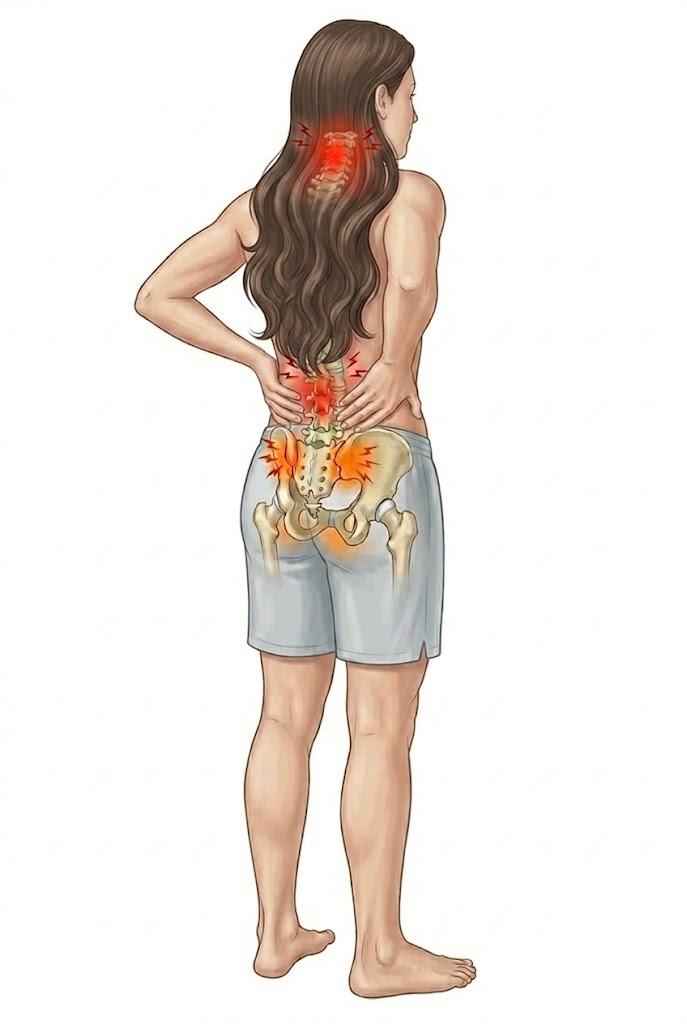
Lower Back Pain and Pelvic Discomfort
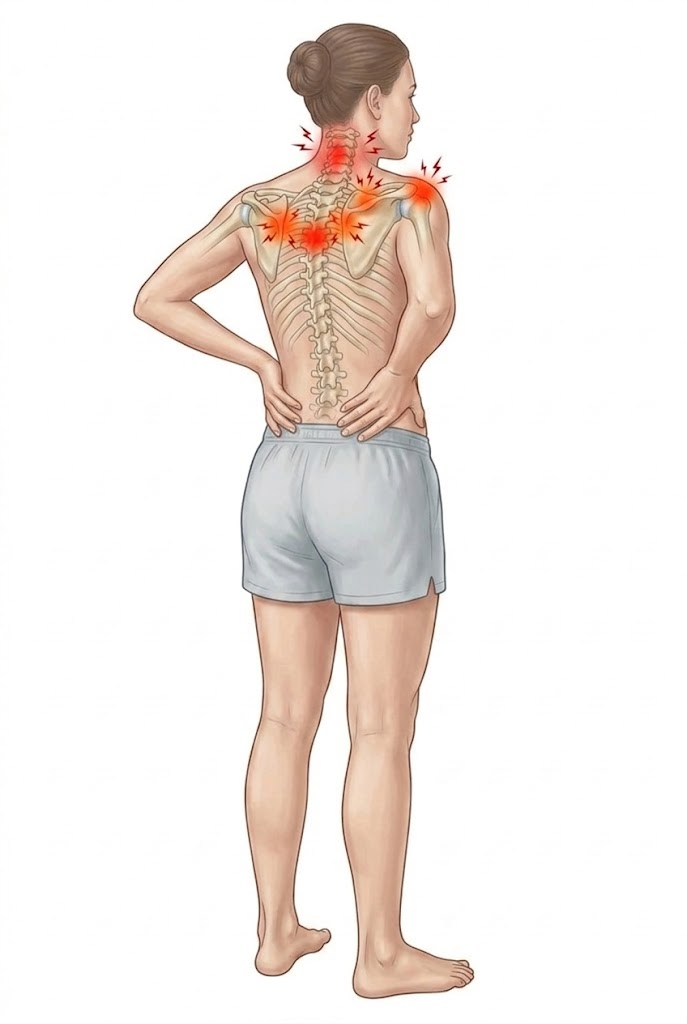
Neck, Shoulder and Upper Back Pain
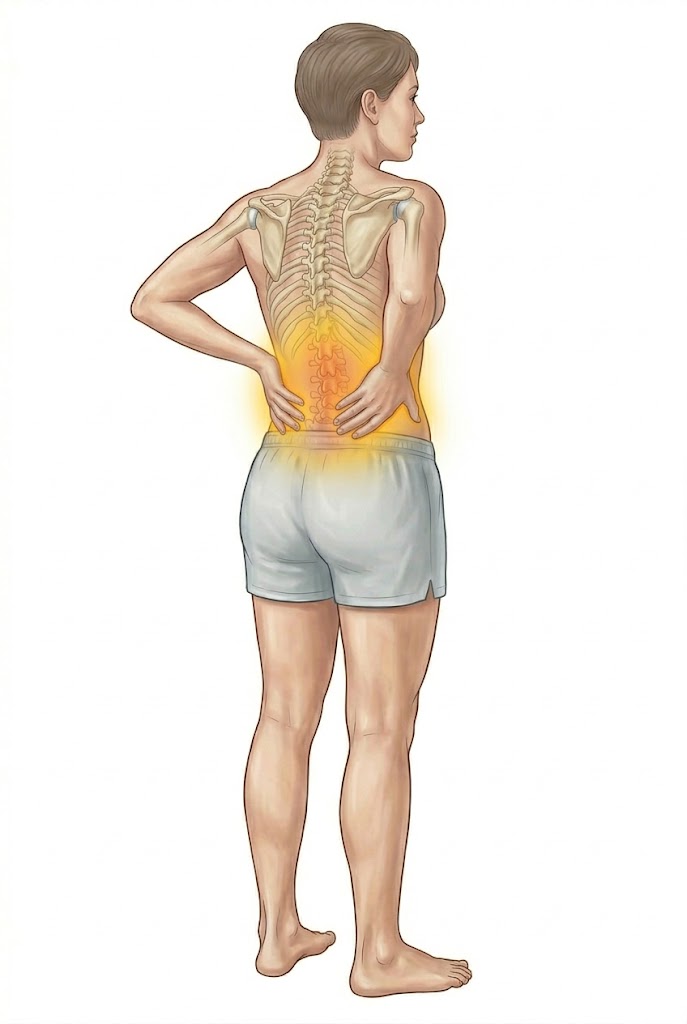
Weak Core and Abdominal Instability
Weak Core and Abdominal Instability
These symptoms are often linked through one system:
Core dysfunction → altered load → compensation → pain
If you are experiencing any of these, addressing the root cause is far more effective than managing symptoms.
Sanderstead Osteopaths can identify the underlying issue and treat it directly.
When Should You Book a Mummy MOT
After Vaginal Birth
After Caesarean Section
Months or Years After Pregnancy
A Mummy MOT is suitable from six weeks onwards, but remains relevant at any stage.
If recovery feels incomplete, that is the right time to act.
Why Choose Osteopathy for Your Mummy MOT
Whole Body Assessment Rather Than Isolated Treatment
Hands On Treatment Combined With Rehabilitation
Personalised Recovery Based on Your Body
Osteopathy focuses on:
Structure → function → movement → recovery
This ensures treatment addresses the cause, not just the symptom.
For a clinically structured and personalised approach, Sanderstead Osteopaths provides both assessment and treatment in one pathway.
Book Your Osteopathic Mummy MOT in Sanderstead
If your body does not feel fully recovered, or you want a clear, clinically accurate understanding of your postnatal health, the next step is to have it assessed properly.
To arrange your Mummy MOT, contact Sanderstead Osteopaths or book online to speak with the team and secure your appointment.

Meet Your Osteopath
Judith has developed a broad, well-rounded approach using a variety of skills gained over the years. She incorporates a range of treatment methods, including myofascial release, cranial, structural and visceral techniques, as well as scar tissue work and lymphatic drainage. By combining these approaches, Judith provides tailored, individualised treatments suited to each patient’s needs.
To see Judith, her fees are as follows:
New Patient (1 Hour) – £80
Follow up (30 Mins) – £55
Judith Tardif, Registered Osteopath
Judith Tardif is a fully qualified and registered osteopath, graduating from Oxford Brookes University in 2012. Since then, she has built extensive clinical experience working in primary care settings across Oxfordshire, Buckinghamshire, and London, treating a wide range of musculoskeletal conditions.
Judith has a particular clinical interest in postnatal recovery, pelvic health, and supporting women following pregnancy and childbirth. This includes assessing and treating conditions such as diastasis recti, pelvic floor dysfunction, postnatal back pain, and neck and shoulder strain associated with feeding and carrying.
Her approach is centred on understanding how the body functions as a whole, rather than focusing on isolated symptoms. She takes into account posture, movement patterns, breathing mechanics, and core stability to identify the root cause of discomfort and guide effective recovery.
Judith uses a combination of:
- Myofascial release
- Cranial osteopathy
- Structural and joint-based techniques
- Visceral osteopathy
- Scar tissue therapy
- Lymphatic drainage
This allows her to tailor each treatment to the individual, ensuring it is both effective and appropriate for the stage of postnatal recovery.
She is known for her gentle, patient-focused approach, which is particularly important when working with new mothers. Treatment is always adapted to ensure comfort, confidence, and clarity at every stage.
For patients attending a Mummy MOT or postnatal assessment, Judith’s goal is simple:
To provide a clear understanding of how your body is functioning, and a structured, realistic plan to help you regain strength, stability, and confidence in movement.
If you are seeking professional guidance for postnatal recovery, you will be assessed and treated by an experienced osteopath with a strong focus on safe, effective, and individualised care.