Easing Pregnancy Aches with Osteopathy
Pregnancy brings profound physical change. As the body adapts to support a growing baby, muscles, joints and connective tissues are placed under increasing demand. Many women experience new or worsening aches that can affect comfort, sleep and daily movement. Osteopathy during pregnancy focuses on supporting these adaptations, aiming to reduce unnecessary strain and help the body cope more efficiently with change.
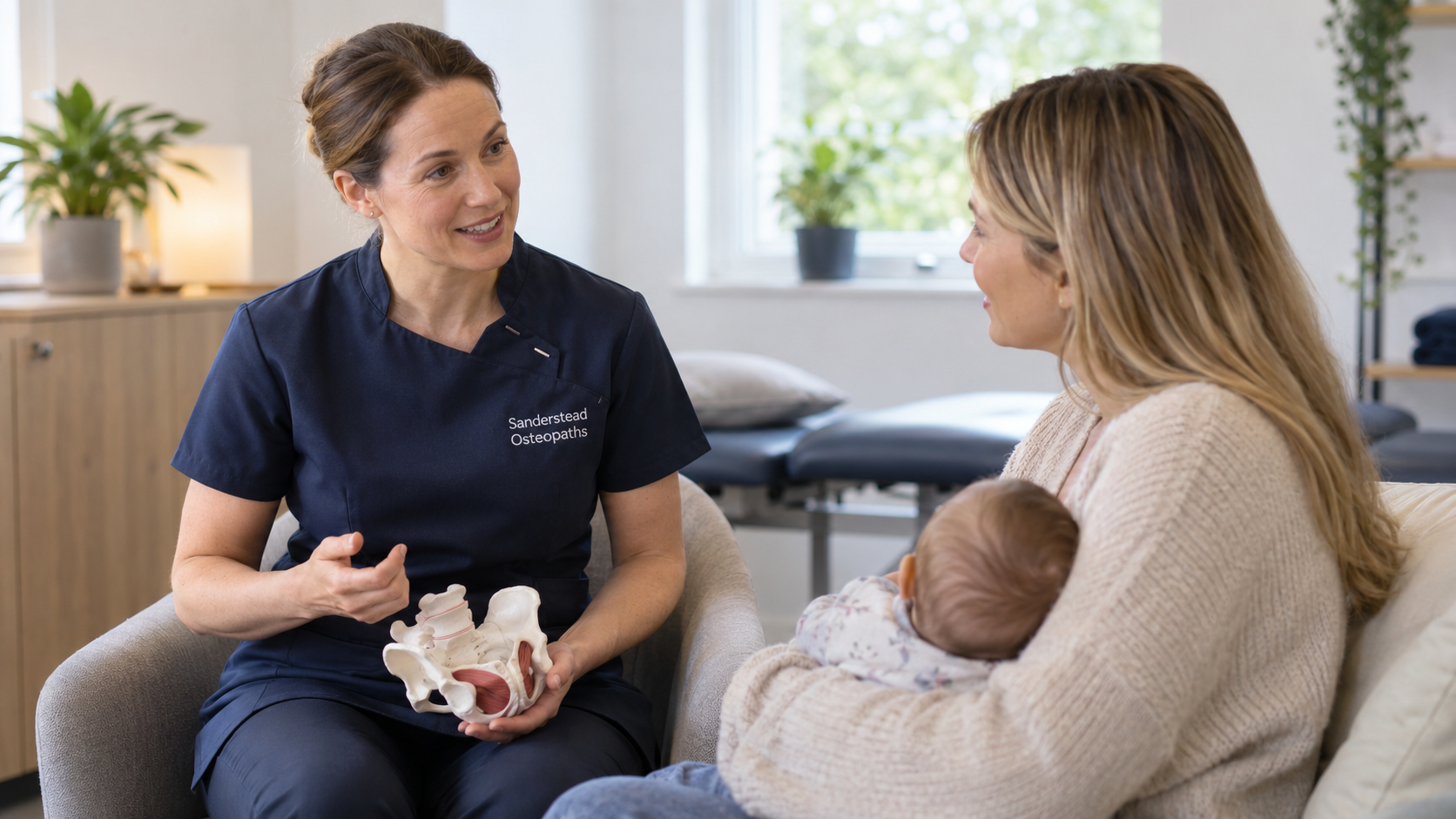
At Sanderstead Osteopaths, our osteopaths regularly support expectant mothers through each stage of pregnancy, helping them understand what is happening in their body and offering hands on care tailored to this unique time.
Understanding Physical Changes During Pregnancy
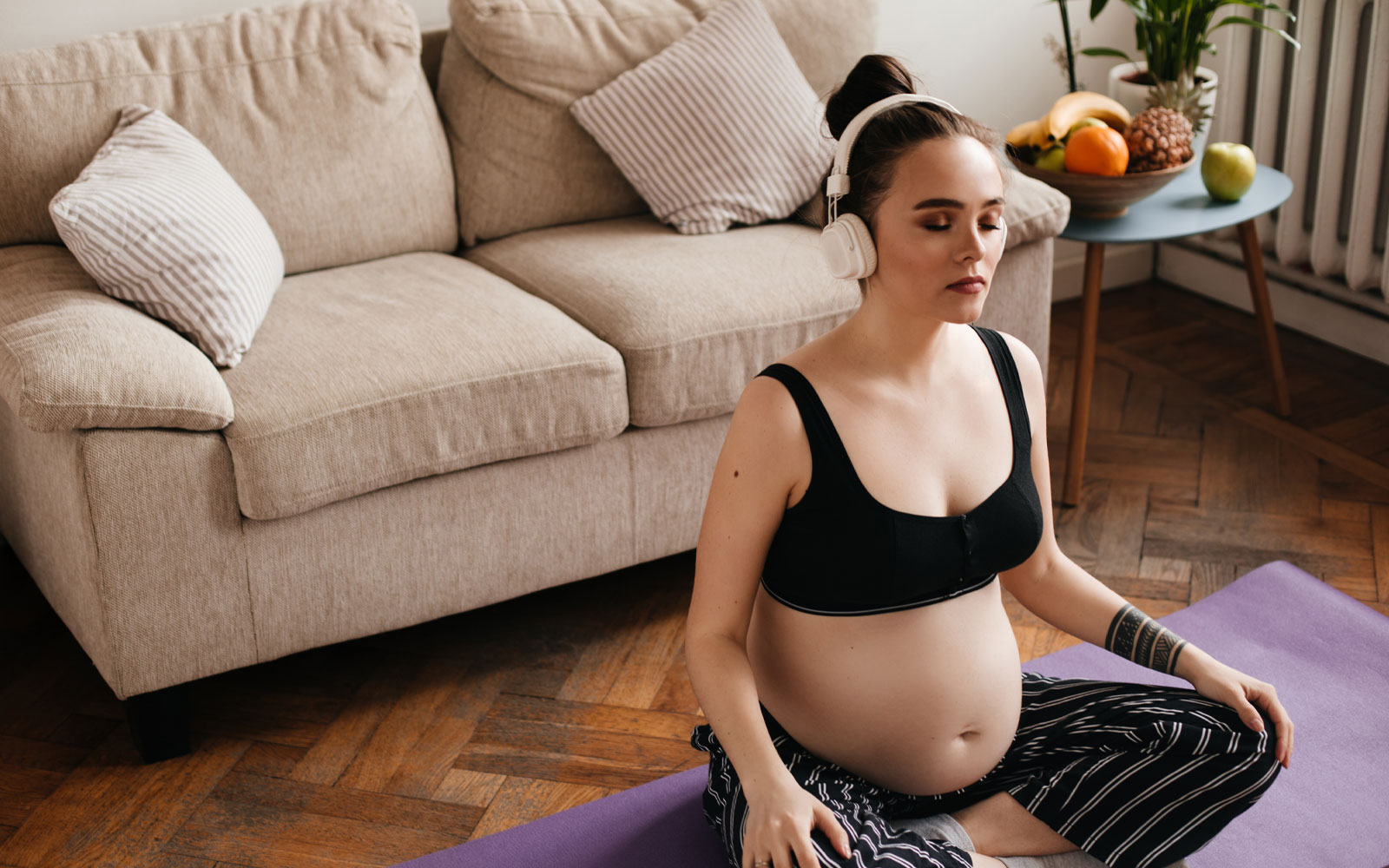
How pregnancy alters posture, movement and load
As pregnancy progresses, the centre of gravity gradually shifts forwards. This forward load encourages an increase in the natural curve of the lower back and alters how weight is distributed through the pelvis, hips and legs. Pregnancy hormones such as relaxin also affect ligament tension, allowing joints to become more mobile in preparation for birth.
These changes influence how the spine, pelvis and rib cage work together. Increased joint mobility combined with altered posture can place extra demand on muscles that are required to stabilise the body. In semantic terms, pregnancy changes posture, altered posture increases mechanical load, and increased load contributes to musculoskeletal discomfort.
Movement patterns often change too. Walking, standing from sitting, rolling in bed and even breathing mechanics can adapt as the body accommodates the uterus. While these adaptations are normal, they can sometimes exceed the body’s capacity to cope comfortably, especially when combined with work demands or reduced rest.
Common musculoskeletal symptoms in each trimester
In the first trimester, symptoms are often subtle. Some women notice lower back ache, pelvic heaviness or upper back tension linked to early hormonal changes and fatigue. Nausea and altered breathing patterns can also increase tension through the neck and rib cage.
During the second trimester, as the bump becomes more noticeable, back pain, pelvic girdle discomfort and hip pain are common. The sacroiliac joints and pubic symphysis may become more sensitive as load increases. Mid back and rib discomfort can develop as the rib cage adapts to changes in posture and breathing.
In the third trimester, symptoms may intensify. Lower back pain, pelvic pain, sciatica like symptoms and general stiffness are frequently reported. Sleep disturbance, reduced mobility and swelling can further influence how the body copes with mechanical strain.
Why some aches persist despite rest or exercise
Although rest and gentle exercise are often helpful, some pregnancy aches persist because the underlying mechanical drivers remain. Postural change increases load, load alters joint movement, and altered movement sustains muscle tension. Simply resting does not always address these linked factors.
In some cases, well intentioned exercise can even aggravate symptoms if stabilising muscles are not working efficiently or if joints are already overloaded. Persistent discomfort may also be influenced by previous injuries, occupational posture or reduced ability to vary movement throughout the day.
Osteopathic assessment aims to identify how different parts of the body are adapting and where strain is accumulating. Treatment is not about correcting pregnancy changes, which are normal and necessary, but about supporting the body so that these changes are better tolerated.
I’ve visited Tom at Sanderstead Osteopaths since March for postnatal neck and back issues and then subsequent issues with my neck from looking after a baby (and now toddler) and he’s absolutely superb. I’d highly recommend him!

 Louise May
August 28, 2021
Pregnancy Back Pain and Osteopathic Support
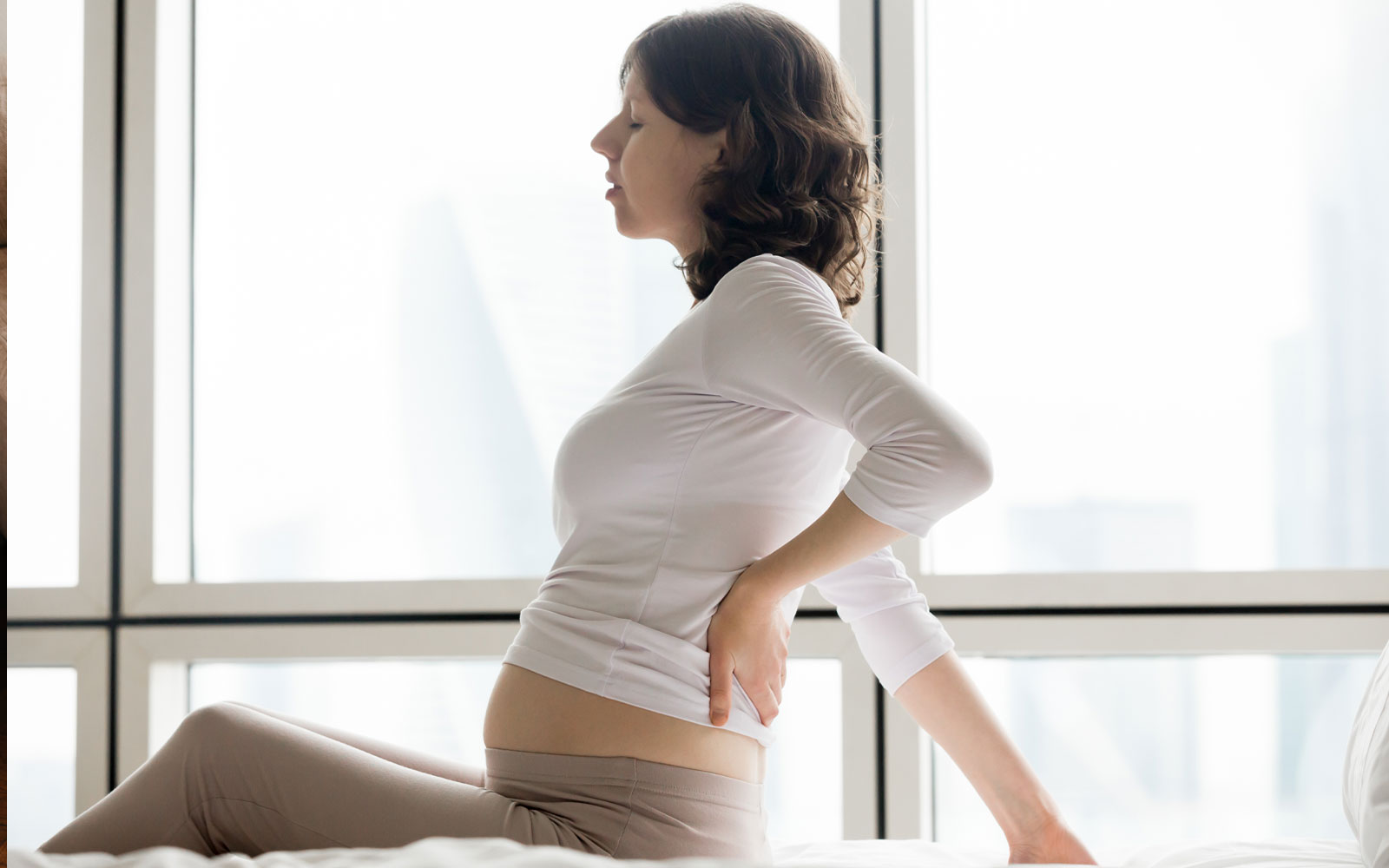
Lower back pain and sacroiliac joint strain in pregnancy
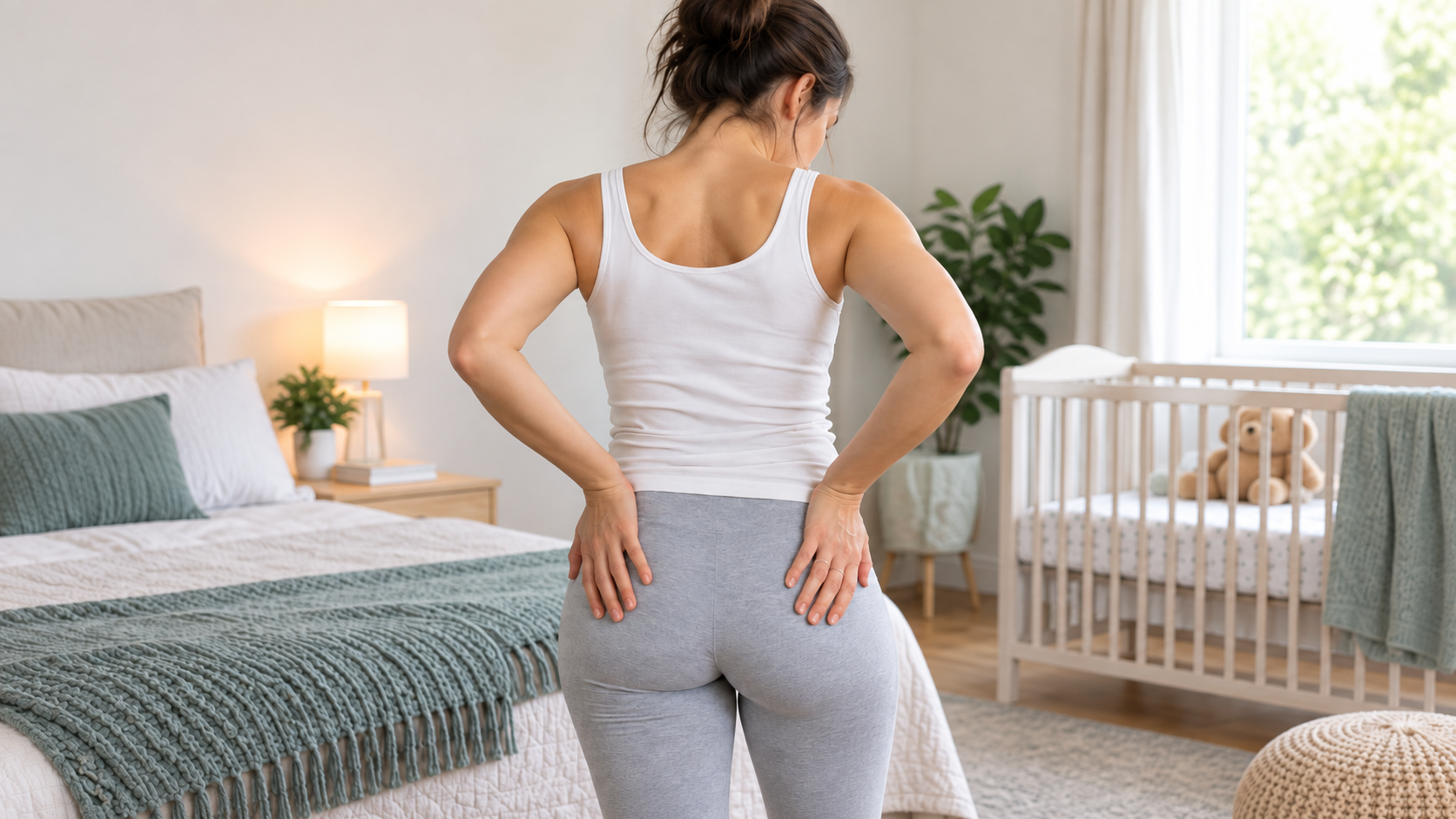
Lower back pain is one of the most frequently reported physical complaints during pregnancy. As the uterus grows, the lumbar spine naturally increases its curve to help balance the changing centre of gravity. This shift alters how forces pass through the lower back and pelvis, often increasing load across the sacroiliac joints. Pregnancy hormones further influence this process by increasing ligament flexibility, which can reduce joint stability at a time when demand is rising.
In semantic terms, pregnancy increases anterior load, increased load affects sacroiliac joint mechanics, and altered joint mechanics contribute to pain. The muscles that support the pelvis and lower spine, including the deep abdominal muscles, gluteal muscles and pelvic floor, are required to work differently. When these muscles fatigue or struggle to adapt, strain can accumulate around the lower back and pelvic joints.
Pain may be felt centrally in the lower back, on one or both sides of the pelvis, or as an ache that worsens with walking, standing on one leg, turning in bed or climbing stairs. Although this discomfort can be worrying, it is often mechanical in nature rather than a sign of injury or damage.
Mid back and rib discomfort as the rib cage adapts
Mid back and rib pain during pregnancy is sometimes overlooked, yet it can be equally limiting. As posture changes and the diaphragm adapts to accommodate the growing uterus, the rib cage must alter its shape and movement. This can increase tension through the thoracic spine, ribs and surrounding muscles.
Breathing patterns often change subtly during pregnancy. Reduced rib mobility or increased muscle tone around the chest wall can lead to aching, stiffness or sharp discomfort around the ribs, shoulder blades or upper back. These symptoms may worsen with prolonged sitting, desk work or poor sleep positions.
From a biomechanical perspective, altered breathing mechanics affect rib movement, restricted rib movement increases muscular tension, and sustained tension contributes to pain. Addressing this area is an important part of supporting overall comfort, particularly as rib discomfort can influence posture and exacerbate lower back strain.
How osteopathic treatment aims to reduce mechanical stress
Osteopathic care during pregnancy focuses on supporting the body’s ability to adapt rather than attempting to reverse normal changes. Assessment considers how the spine, pelvis, ribs and surrounding soft tissues are working together, as well as how posture and daily activities influence load.
Treatment may involve gentle hands on techniques aimed at improving joint movement, reducing excessive muscle tension and supporting balanced mechanics. Techniques are adapted specifically for pregnancy, with positioning and pressure chosen carefully to ensure comfort and safety. By improving how forces are distributed through the body, osteopathy aims to reduce unnecessary mechanical stress that contributes to pain.
Alongside treatment, our osteopaths often offer practical advice on posture, movement strategies and rest positions that are appropriate for each stage of pregnancy. Small adjustments can make a meaningful difference when combined with hands on care.
Pelvic Girdle Pain and Pregnancy Related Pelvic Discomfort
What pelvic girdle pain is and how it develops
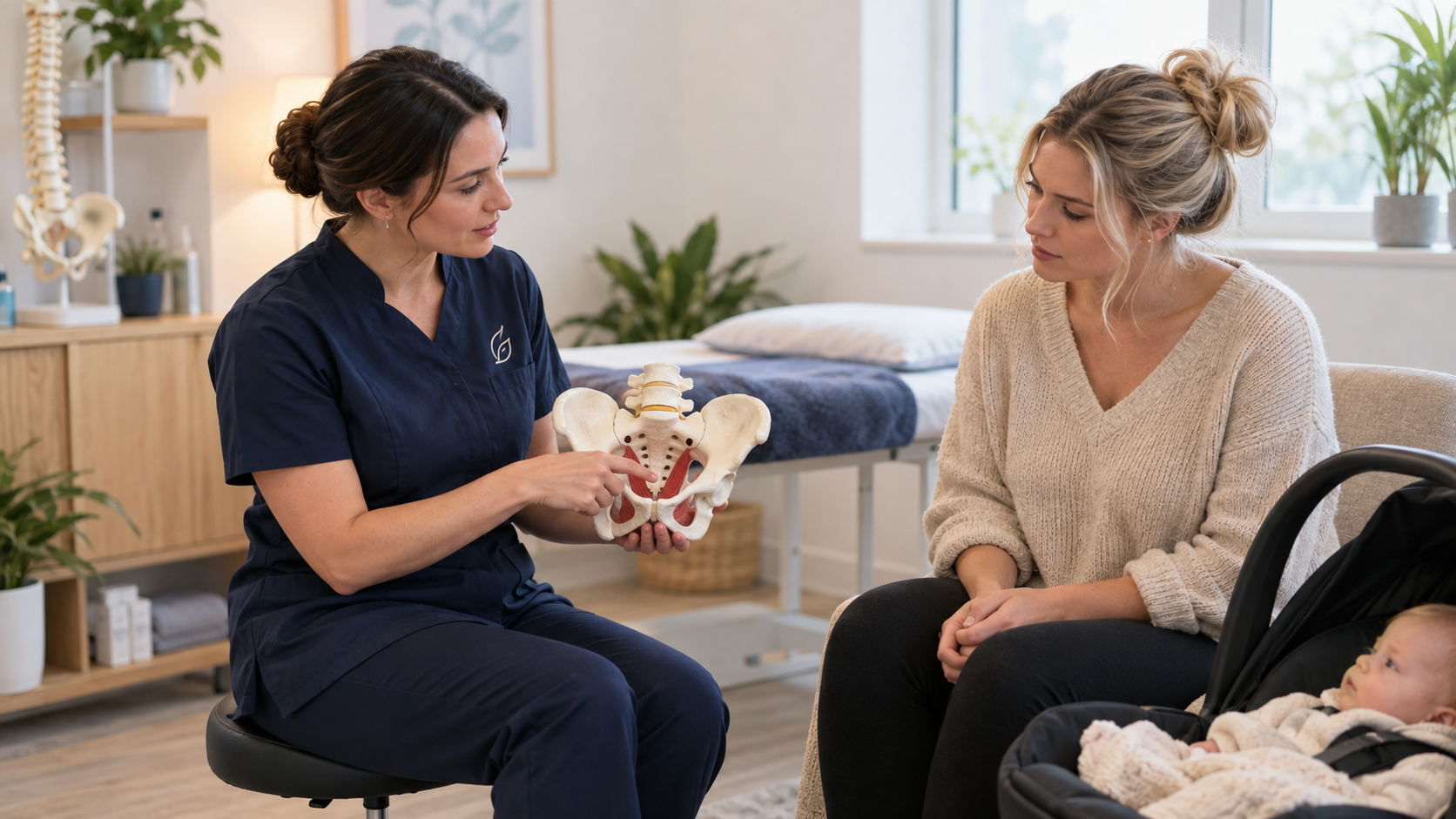
Pelvic girdle pain refers to discomfort arising from the joints and soft tissues that make up the pelvic ring, including the sacroiliac joints at the back and the pubic symphysis at the front. During pregnancy, these joints are required to accommodate increasing load while also becoming more mobile under the influence of hormonal change.
As the uterus grows, load through the pelvis increases and the way forces pass between the spine and legs is altered. In semantic terms, pregnancy increases pelvic load, increased load challenges joint stability, and reduced stability contributes to pain. When the muscles that support the pelvis are unable to provide sufficient control, strain can develop around these joints, leading to localised pain or a feeling of instability.
Pelvic girdle pain can present as discomfort at the front of the pelvis, pain across one or both sides of the lower back, or aching that radiates into the hips or thighs. Activities such as walking, standing on one leg, turning in bed or getting in and out of a car often aggravate symptoms.
Differentiating pelvic pain from normal pregnancy sensations
Some degree of pelvic discomfort is common during pregnancy, particularly as movement patterns change. However, pelvic girdle pain tends to have more specific features. Pain is often sharp or catching in nature rather than a general ache and may be clearly linked to certain movements or positions.
Normal pregnancy sensations may include a sense of heaviness or mild stiffness that eases with gentle movement or rest. In contrast, pelvic girdle pain often persists despite rest and may feel worse with activities that load one side of the pelvis. Understanding these distinctions is important, as targeted management can help reduce symptoms and prevent unnecessary restriction of activity.
Assessment by an osteopath aims to determine whether pain is coming from the pelvic joints themselves, the surrounding muscles, or a combination of both. This clarity helps guide appropriate support and reassurance.
Osteopathic considerations for pelvic stability and comfort
Osteopathic care for pelvic girdle pain during pregnancy focuses on improving how the pelvis functions as part of the whole body. Treatment considers the relationship between the pelvis, lower back, hips and legs, recognising that imbalance in one area can increase strain in another.
Gentle techniques may be used to reduce muscle tension, support joint movement and encourage more balanced load transfer through the pelvis. Positioning during treatment is adapted to ensure comfort and safety, and techniques are chosen to respect the increased joint mobility present in pregnancy.
Practical guidance is also a key part of care. Advice on movement strategies, posture and pacing of daily activities can help reduce repeated strain. By supporting pelvic stability and comfort, osteopathy aims to help expectant mothers stay as active and confident as possible throughout pregnancy.
Pregnancy Sciatica and Nerve Related Symptoms
Why sciatic type pain can occur during pregnancy
Sciatic type pain during pregnancy is commonly described as a sharp, burning or shooting sensation that travels from the lower back or buttock into the leg. While it is often labelled as sciatica, symptoms are not always caused by direct compression of the sciatic nerve. Instead, they frequently relate to changes in posture, pelvic mechanics and soft tissue tension.
As pregnancy progresses, increased load through the lower back and pelvis can alter how nerves move and glide through surrounding tissues. In semantic terms, pregnancy alters pelvic mechanics, altered mechanics affect nerve mobility, and reduced nerve mobility contributes to pain. Muscle tension in areas such as the deep hip muscles can also irritate nearby nerves, particularly when joint movement becomes less controlled.
These changes are usually mechanical rather than neurological disease, but the symptoms can still be distressing and impact confidence with movement.
Leg pain, pins and needles and altered movement patterns
Nerve related symptoms in pregnancy are not limited to pain alone. Some women experience pins and needles, numbness or a feeling of weakness in the leg. These sensations may come and go, often worsening with prolonged sitting, standing or certain positions in bed.
When discomfort is present, movement patterns often adapt in response. Walking may become guarded, stride length may shorten and weight bearing may favour one side. Over time, these compensations can increase strain elsewhere, particularly in the lower back, pelvis or opposite hip.
From a biomechanical perspective, pain alters movement, altered movement increases muscular load, and increased load sustains symptoms. Recognising and addressing these patterns early can help prevent symptoms from becoming more persistent.
How osteopaths approach nerve irritation in expectant mothers
Osteopathic assessment during pregnancy considers both the source of nerve irritation and the factors that are maintaining it. This includes evaluating posture, spinal and pelvic movement, muscle tone and how daily activities influence symptoms.
Treatment is adapted carefully for pregnancy, using gentle techniques aimed at reducing muscle tension, improving joint mechanics and supporting nerve mobility without placing stress on sensitive tissues. Positioning is chosen to ensure comfort and avoid strain on the abdomen or pelvis.
Our osteopaths also provide guidance on movement strategies, rest positions and pacing to help reduce repeated irritation of nerves during everyday tasks. Where symptoms suggest more serious neurological involvement, or where pain is progressive or accompanied by significant weakness, appropriate referral is advised.
Lexi has been very helpful with pain in my back and the treatments have been very affective and she gives out great follow up exercises
 Max Bullock
February 28, 2024
Postural Strain and Whole Body Adaptation
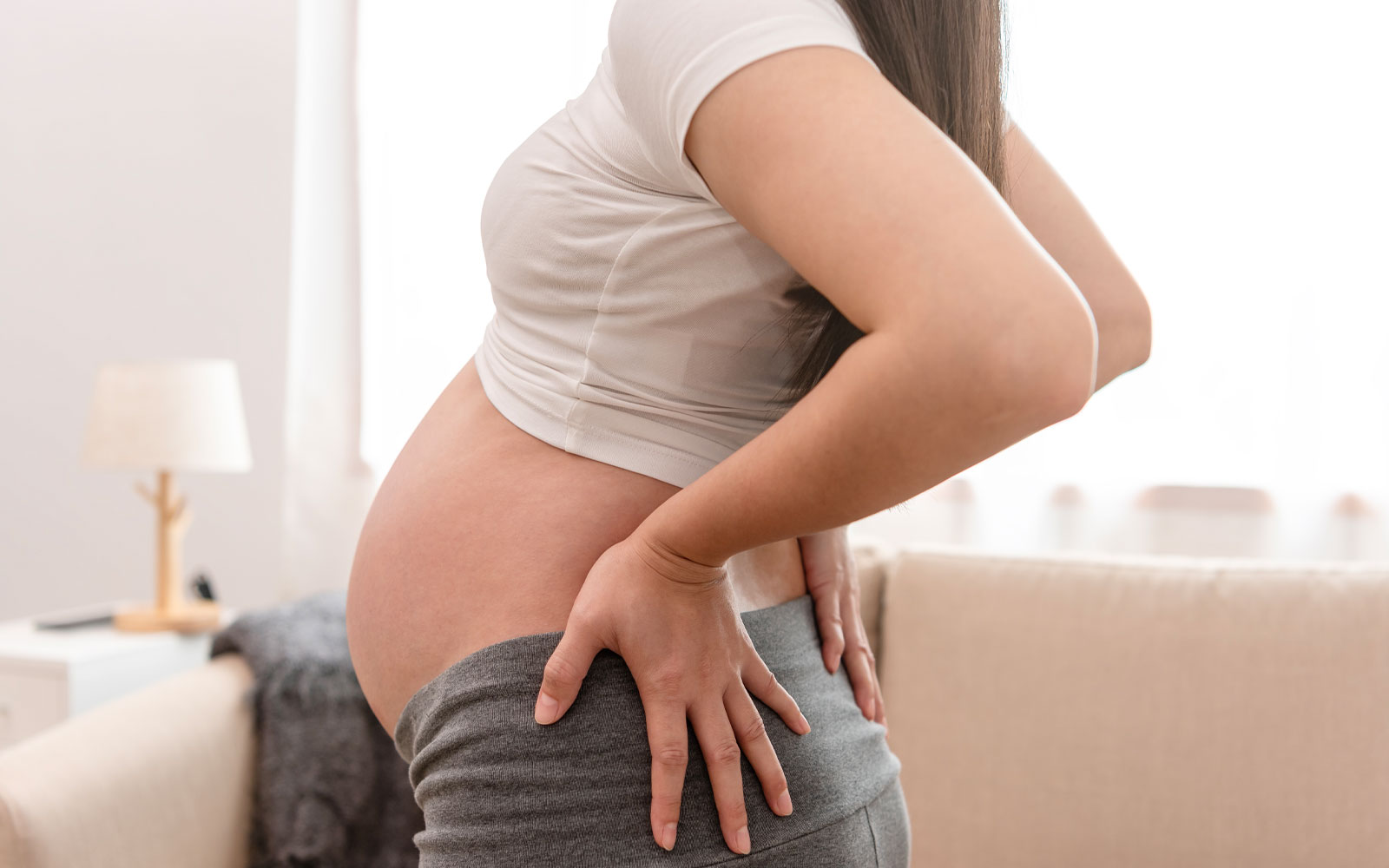
The impact of a growing bump on spinal alignment
As the abdomen expands, the body continually adapts to maintain balance. The growing bump shifts the centre of mass forwards, encouraging changes in spinal alignment from the neck through to the pelvis. The lower back typically increases its curve, while the upper back and neck may adapt in the opposite direction to keep the eyes level and maintain upright posture.
In semantic terms, abdominal growth alters centre of gravity, altered centre of gravity changes spinal alignment, and altered alignment increases muscular demand. These adaptations are necessary, but they place extra work on muscles that are not always conditioned for sustained postural support. Over time, fatigue and tension can develop, particularly when posture is held for long periods during work, commuting or childcare.
Previous postural habits and any pre existing spinal stiffness can influence how well the body adapts. When certain areas move less, others are often required to compensate, increasing the likelihood of discomfort.
Neck, shoulder and upper back tension during pregnancy
Neck, shoulder and upper back tension are common during pregnancy, even in the absence of local injury. As posture changes lower down, the upper spine and shoulder girdle often respond by increasing muscle activity to stabilise head and arm movement.
Hormonal influences, altered breathing patterns and emotional stress can also contribute to increased muscle tone in this region. Prolonged sitting, screen use and sleeping positions that do not adequately support the body may further aggravate symptoms.
Biomechanically, postural change increases upper spinal load, increased load elevates muscle activity, and sustained activity leads to tension and pain. Addressing these areas is important, as upper body discomfort can influence sleep quality and overall wellbeing during pregnancy.
Supporting posture in daily activities and sleep
Supporting posture during pregnancy is not about maintaining a rigid position but about encouraging variety and efficiency of movement. Simple adjustments such as changing sitting position regularly, using arm support when feeding or resting, and avoiding prolonged static postures can reduce strain.
Sleep posture is another key consideration. Side lying positions with appropriate support between the knees and under the abdomen can help reduce tension through the lower back and pelvis. Pillows placed to support the upper body may also ease neck and shoulder strain.
Osteopathic care often includes guidance on practical postural strategies tailored to individual needs and stages of pregnancy. By supporting the body’s natural adaptations, osteopathy aims to reduce cumulative strain and help expectant mothers move more comfortably through daily life.
Is Osteopathy Safe During Pregnancy
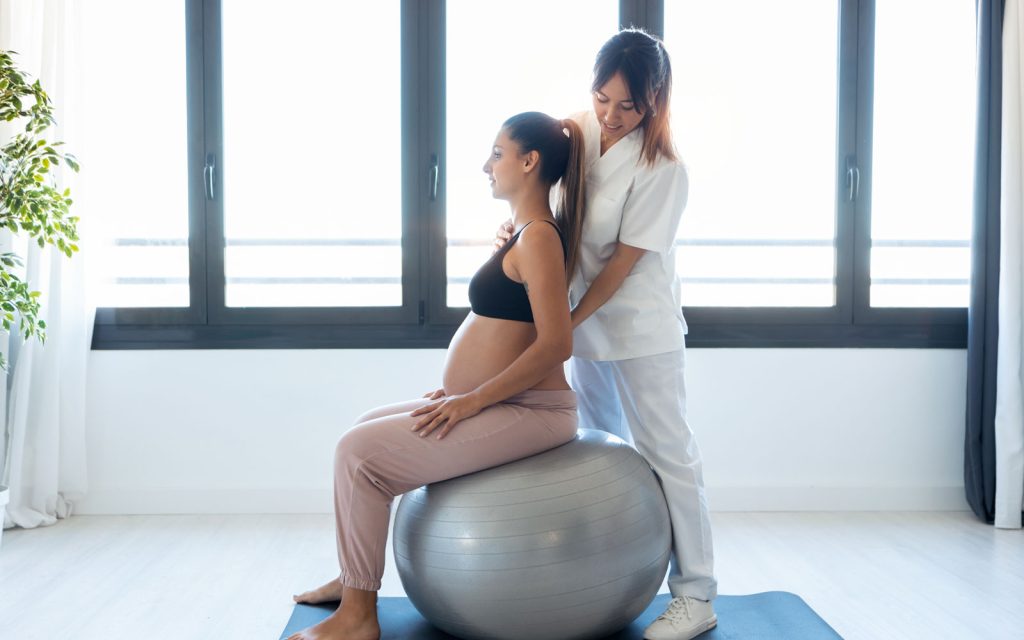
Training and clinical considerations for treating pregnant patients
Osteopathy is widely used to support musculoskeletal health during pregnancy, but safety depends on appropriate training, clinical reasoning and individual assessment. Osteopaths in the UK are trained to assess and treat pregnant patients, with an understanding of the anatomical, hormonal and physiological changes that occur throughout pregnancy.
Clinical considerations include awareness of increased joint mobility, changes in blood pressure regulation and the need to avoid positions that place pressure on the abdomen or compromise circulation. In semantic terms, pregnancy alters physiology, altered physiology requires adapted assessment, and adapted assessment supports safe care. Thorough case history taking is essential, including current pregnancy stage, previous pregnancies, medical history and any guidance already provided by a midwife or GP.
At Sanderstead Osteopaths, our osteopaths routinely support expectant mothers and tailor care to each stage of pregnancy, prioritising comfort, reassurance and clinical appropriateness at all times.
Techniques commonly used and those avoided in pregnancy
Osteopathic techniques used during pregnancy are selected specifically for their gentle and supportive nature. These may include soft tissue techniques to reduce muscle tension, gentle articulation to encourage comfortable joint movement and indirect techniques that work with the body’s natural positioning rather than against it.
Techniques that involve high velocity thrusts to the spine or pelvis are generally avoided during pregnancy. Deep pressure over the abdomen or sustained positions lying flat on the back for extended periods are also not used, particularly in later stages of pregnancy. Positioning during treatment is adapted using side lying or supported seated positions to ensure comfort and safety.
The aim of treatment is not to force change but to support efficient movement and reduce unnecessary strain. This approach respects the normal adaptations of pregnancy while addressing areas of discomfort.
When osteopathic treatment may not be appropriate
While osteopathy can be helpful for many pregnancy related musculoskeletal symptoms, there are situations where treatment may need to be modified or postponed. Symptoms such as unexplained vaginal bleeding, severe abdominal pain, sudden swelling, severe headaches, visual disturbances or reduced foetal movement require urgent medical assessment and are not appropriate for osteopathic treatment.
From a clinical safety perspective, red flag symptoms suggest medical causes, medical causes require referral, and referral protects patient wellbeing. Osteopaths are trained to recognise these situations and advise accordingly.
In cases where pain is linked to non mechanical causes or where symptoms are worsening despite appropriate care, collaboration with a GP, midwife or consultant is encouraged. Osteopathy works best as part of a wider healthcare approach, supporting musculoskeletal comfort alongside appropriate medical care.
Been seeing Paul for a couple of months now for my neck pain, had been using another fairly local osteopaths before and didn’t really seem to be making any progress, but since finding here it’s been much better. I suffer really badly with tension in my neck which leads to real bad headaches, and can highly recommend this place for anyone who suffers the same issue as Paul has helped me massively.
 Dan
DanNovember 28, 2023
Osteopathy as Part of Your Prenatal Care Team
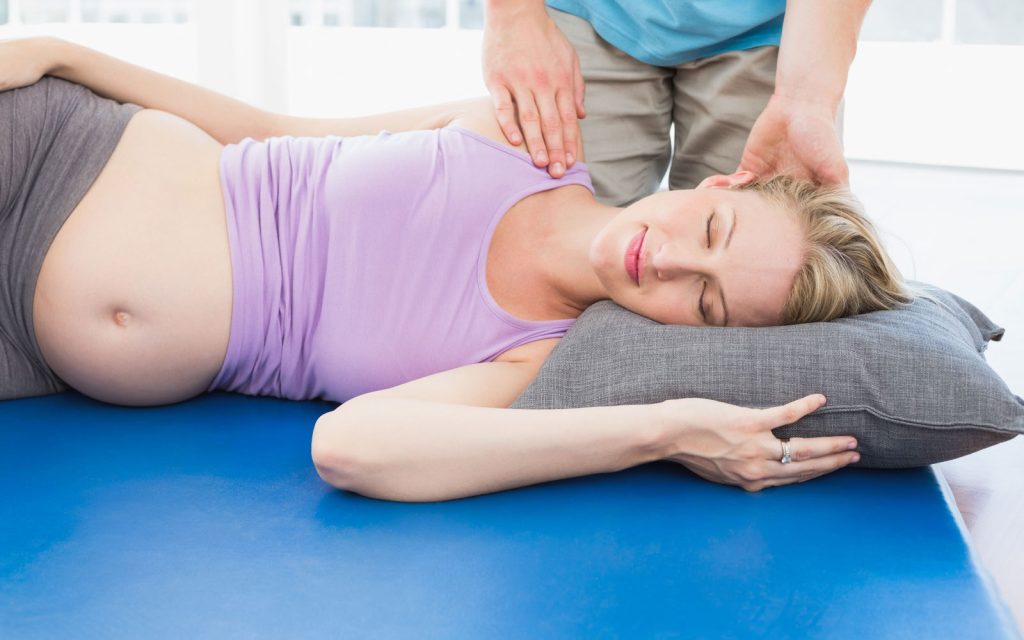
How osteopathy complements midwifery and antenatal care
Osteopathy is not a replacement for midwifery or antenatal medical care. Instead, it works alongside these services by focusing specifically on the musculoskeletal aspects of pregnancy. Midwives monitor the health of mother and baby, while osteopaths assess how the body is adapting mechanically to pregnancy related change.
In semantic terms, pregnancy involves physiological care, musculoskeletal adaptation influences comfort, and combined care supports wellbeing. Osteopathic assessment can help identify areas of strain that may not be addressed within routine antenatal appointments, such as postural imbalance, joint stiffness or muscle tension affecting movement and comfort.
Communication and collaboration are important. Our osteopaths encourage patients to continue following guidance from their midwife or consultant and will adapt treatment in line with any medical considerations. This integrated approach supports confidence and continuity of care throughout pregnancy.
Supporting movement, breathing and comfort as birth approaches
As the body prepares for birth, efficient movement and breathing become increasingly important. Restricted movement in the pelvis, spine or rib cage can influence comfort and may contribute to tension during daily activities and rest.
Osteopathic care at this stage focuses on supporting natural movement patterns rather than attempting to influence the birth process itself. Gentle treatment may help reduce areas of stiffness and encourage balanced use of muscles involved in posture and breathing. In semantic terms, improved movement supports breathing, efficient breathing supports relaxation, and relaxation contributes to comfort.
Advice on positions, pacing and body awareness may also be offered to help expectant mothers feel more at ease as their body continues to change.
Preparing the body for labour from a musculoskeletal perspective
From a musculoskeletal standpoint, preparation for labour involves supporting the body’s ability to move freely and cope with sustained physical demand. This includes considering the mobility of the pelvis, the flexibility of the lower back and hips, and the role of the diaphragm and pelvic floor in movement and breathing.
Osteopathic treatment does not aim to induce labour or alter its timing. Instead, it supports the structures involved so that the body is better equipped to adapt to the physical stresses of labour. This approach recognises that pregnancy changes the body, supported adaptation improves resilience, and resilience supports functional movement.
Iv used David for 12 years now. Always reliable and available when needed for emergency appointments. I am now taking my children here when needed.
 George Laura
August 28, 2023
Postpartum Recovery and Ongoing Support

Common aches and strains after birth
After birth, the body begins a gradual process of recovery and readjustment. Although the baby is no longer carried internally, the musculoskeletal system continues to adapt as hormone levels change and daily physical demands shift. Many women experience lower back pain, pelvic discomfort, hip stiffness or neck and shoulder tension during the postpartum period.
Feeding, lifting and carrying a baby, and spending prolonged periods in sustained positions can place new strain on muscles and joints. Sleep disruption and fatigue may further reduce the body’s ability to recover efficiently. In semantic terms, postpartum care demands increase physical load, increased load affects recovery, and reduced recovery capacity contributes to ongoing pain.
These aches are common and often mechanical in nature, but they should not be ignored if they persist or worsen over time.
Supporting recovery following vaginal birth or caesarean section
Recovery can differ depending on the type of birth. Following a vaginal birth, pelvic floor muscles and pelvic joints may feel strained or sensitive. Caesarean section involves abdominal surgery, which affects the abdominal wall, scar tissue and how the trunk and pelvis work together.
Osteopathic care in the postpartum period focuses on supporting recovery at a pace appropriate to each individual. Assessment may include how the spine, pelvis and hips are moving, how abdominal and pelvic floor muscles are functioning, and how daily activities are influencing symptoms.
Treatment is gentle and tailored, aiming to support tissue healing, reduce muscle tension and encourage balanced movement. From a biomechanical perspective, healing tissues alter movement, altered movement increases compensatory strain, and addressing strain supports recovery.
When to consider osteopathic care after pregnancy
Some women seek osteopathic care in the weeks following birth, while others attend later when discomfort becomes more noticeable. There is no fixed timeline, but care may be helpful if pain persists beyond the early postpartum period, if movement feels restricted, or if new aches develop with feeding or childcare.
Osteopathic assessment can also provide reassurance about what is normal during recovery and when further medical advice may be needed. Symptoms such as increasing pain, signs of infection, or changes in bladder or bowel function should always be discussed with a GP or midwife.
If you would like support during your postpartum recovery, you can book online with one of our osteopaths at Sanderstead Osteopaths for a considered assessment focused on comfort, function and long term wellbeing.
Book a Pregnancy Osteopathy Appointment at Sanderstead Osteopaths

Our experience supporting expectant mothers locally
At Sanderstead Osteopaths, our team regularly supports expectant mothers at all stages of pregnancy, from early changes through to the final weeks before birth and into the postpartum period. We routinely see patients from Sanderstead and surrounding areas who are seeking help with pregnancy related back pain, pelvic discomfort, sciatica and postural strain.
Our osteopaths take time to listen and understand how pregnancy is affecting each individual, recognising that no two experiences are the same. This local, patient focused approach allows care to be tailored to daily routines, work demands and family life, supporting comfort in a practical and realistic way.
What to expect from a pregnancy osteopathy appointment
A pregnancy osteopathy appointment begins with a detailed discussion about your symptoms, pregnancy stage and general health. This allows us to understand how your body is adapting and whether osteopathic care is appropriate at that time. Assessment focuses on posture, movement and areas of tension or restriction that may be contributing to discomfort.
Treatment is gentle and adapted for pregnancy, with positioning chosen to ensure comfort and safety throughout the session. Hands on care may be combined with advice on posture, movement and rest strategies that are relevant to your stage of pregnancy. The aim is to support your body’s ability to adapt rather than to force change.
Taking the next step towards a more comfortable pregnancy
If pregnancy related aches are affecting your comfort, sleep or confidence with movement, osteopathic support may help you feel more at ease as your body changes. Early assessment can also provide reassurance and guidance on managing symptoms as pregnancy progresses.
You can book online with one of our osteopaths at Sanderstead Osteopaths to arrange a pregnancy focused appointment, or contact our friendly team to discuss whether osteopathy is suitable for you at this stage of your pregnancy.
Pregnancy Pelvic Pain FAQ
What is pregnancy pelvic pain and is it the same as pelvic girdle pain
Pregnancy pelvic pain is a broad term used to describe discomfort felt around the pelvis during pregnancy. It can include pain at the front of the pelvis, across the lower back, in the hips or deep in the buttocks. Pelvic girdle pain is a specific type of pregnancy pelvic pain that involves the joints of the pelvic ring, including the sacroiliac joints and the pubic symphysis.
In simple terms, pregnancy affects pelvic load, pelvic load challenges joint control, and reduced control contributes to pain. Not all pelvic pain in pregnancy is pelvic girdle pain, which is why proper assessment is important to guide management and reassurance.
Is pregnancy pelvic pain normal or a sign something is wrong
Pelvic discomfort is common during pregnancy, but ongoing or worsening pelvic pain should not be dismissed as something you simply have to put up with. While pregnancy related pelvic pain is usually mechanical rather than harmful, it can significantly affect mobility, sleep and quality of life.
Pain that is sharp, catching, one sided or clearly linked to specific movements such as walking, turning in bed or standing on one leg is more suggestive of pelvic girdle involvement. Assessment helps determine whether pain is within expected adaptation or whether additional support is needed.
Can pregnancy pelvic pain affect labour or delivery
Pregnancy pelvic pain does not usually affect the safety of labour or delivery. However, it can influence comfort, confidence with movement and fatigue levels leading up to birth. Managing pelvic pain during pregnancy aims to support function rather than alter the birth process itself.
Supporting pelvic movement and reducing unnecessary strain may help expectant mothers feel more comfortable and mobile as labour approaches. Any concerns about labour or delivery should always be discussed with a midwife or consultant, alongside musculoskeletal care where appropriate.
Can osteopathy help pregnancy pelvic pain
Osteopathy can support pregnancy pelvic pain by addressing how the pelvis, lower back and surrounding muscles are working together. Treatment focuses on reducing excessive muscle tension, supporting balanced joint movement and improving how load is transferred through the body.
Osteopathy does not aim to force joints back into place. Instead, it supports the body’s ability to adapt. In semantic terms, improved mechanics reduce strain, reduced strain supports comfort, and improved comfort supports daily activity.
Are there things I should avoid if I have pregnancy pelvic pain
Activities that involve repeated single leg loading, sudden twisting or prolonged asymmetrical positions may aggravate pelvic pain. This can include standing on one leg to get dressed, pushing heavy objects or sitting in one position for long periods.
That said, complete rest is rarely helpful. Gentle, well supported movement is usually encouraged, alongside pacing and practical adaptations. Individual advice is most effective when based on assessment rather than general rules.
When should I seek help for pregnancy pelvic pain
You may wish to seek help if pelvic pain is affecting your ability to walk, sleep, work or care for yourself. Early assessment can help prevent symptoms from becoming more persistent and provide reassurance about what is safe and appropriate during pregnancy.
If pelvic pain is accompanied by symptoms such as vaginal bleeding, severe abdominal pain, fever or changes in foetal movement, urgent medical advice should be sought.