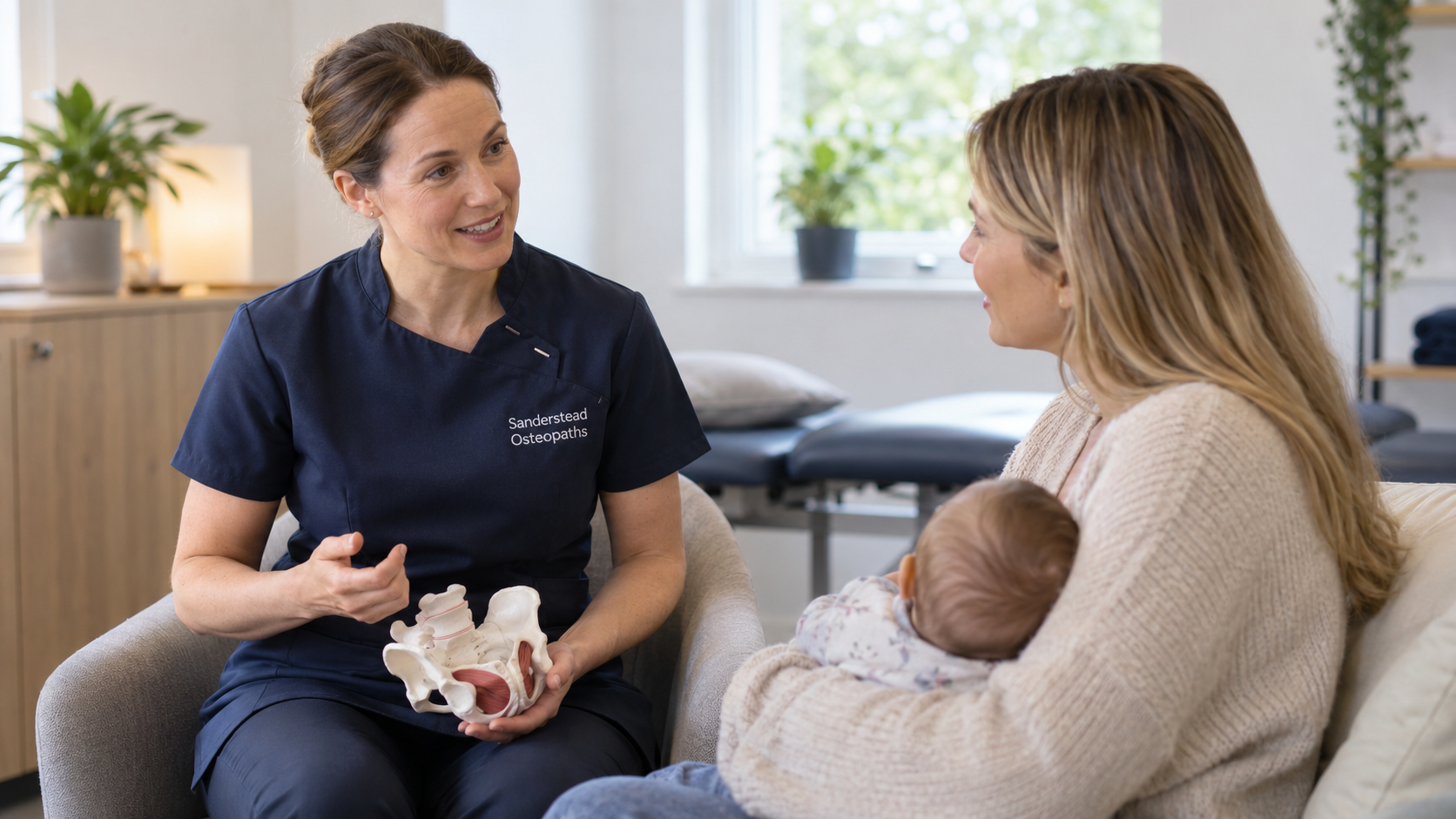
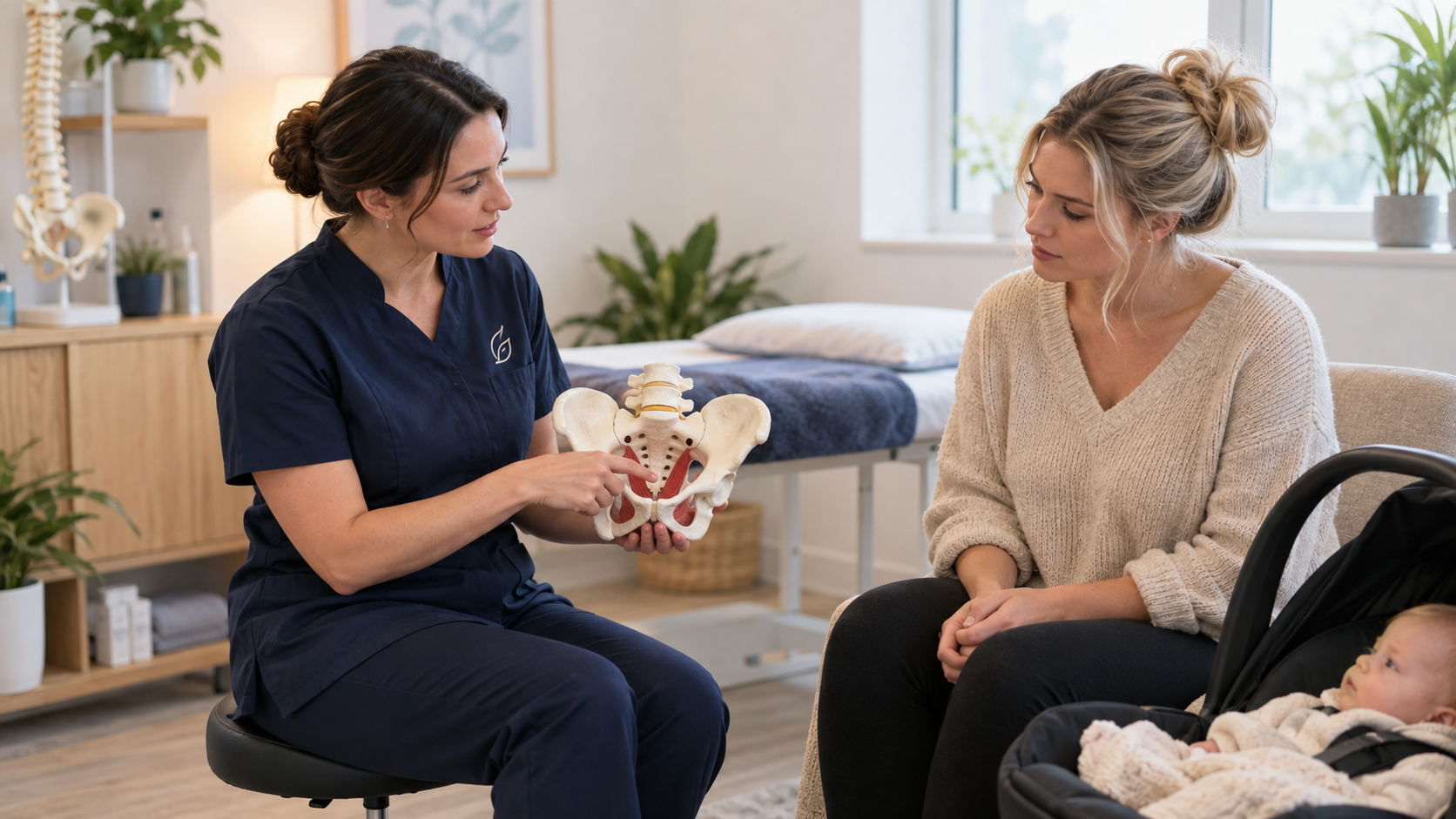
What Does a Cranial Osteopath Do?

A cranial osteopath is a fully trained osteopath who uses very gentle, hands-on techniques to assess and treat subtle movement patterns and areas of tension within the body. This approach often focuses on the head, spine, nervous system, and connective tissues, but it always considers how the whole body functions together rather than isolating one area.
Cranial osteopathy is not a separate profession or a different qualification. It is an extension of core osteopathic practice that uses light, non forceful contact to assess tissue tone, rhythm, and responsiveness. The intention is not to manipulate bones or force structural change, but to support the body’s ability to regulate itself, adapt to strain, and move more comfortably.
Osteopaths may choose cranial techniques when patients are particularly sensitive, when symptoms involve the nervous system, or when more direct or forceful manual approaches are not appropriate. As with all osteopathic care, treatment is guided by clinical assessment, patient comfort, and safety.
What Is Cranial Therapy Used For?

Supporting the Nervous System and Reducing Physical Tension
Cranial therapy is commonly used to support nervous system regulation and reduce patterns of physical tension that may be contributing to symptoms. Gentle contact can help calm heightened protective responses within the body, which are often present during periods of stress, pain, or prolonged discomfort.
Some patients experience symptoms that fluctuate with stress, fatigue, or emotional load. In these cases, cranial approaches may be used to support relaxation, improve body awareness, and encourage more efficient movement patterns rather than targeting one specific structure in isolation.
The focus is on how the body is responding overall, including breathing patterns, muscle tone, and the way tension is distributed, rather than attempting to correct a single perceived fault.
When Gentle Osteopathic Techniques Are Clinically Appropriate
Cranial therapy may be clinically appropriate when symptoms are aggravated by firmer hands-on techniques or when patients are unable to tolerate more direct treatment. This can include people with high sensitivity to touch, ongoing pain that feels reactive, or symptoms involving headaches, jaw tension, dizziness, or nervous system related discomfort
It may also be used when treating babies, children, or older adults, where a softer approach is often more suitable. Importantly, cranial techniques are chosen based on assessment findings, not because they are considered superior or more advanced than other methods.
An osteopath will always consider whether cranial therapy is appropriate for the individual presentation and will avoid its use if symptoms suggest the need for medical investigation or a different form of care.
How Cranial Approaches Fit Within Wider Osteopathic Care
Cranial therapy is one tool within a much broader osteopathic approach. It is often combined with other techniques, such as soft tissue work, joint mobilisation, exercise advice, or postural guidance, depending on what the assessment identifies as relevant.
Rather than being a standalone treatment, cranial techniques are integrated into a wider plan that considers movement, lifestyle factors, recovery, and long term management. This allows care to be adapted as symptoms change over time.
If you are curious about whether cranial therapy may be appropriate for you, our osteopaths at Sanderstead Osteopaths can assess your symptoms and explain which techniques are likely to be most suitable as part of your care plan.
I’ve been attending Sanderstead Osteopaths to see David for a few years. The treatment is effective and the service professional.

 Stuart kennedy
August 28, 2023
What Can Cranial Osteopathy Treat?

Common Presentations Where Cranial Techniques May Be Used
Cranial osteopathy may be used as part of an osteopathic treatment plan for a range of presentations where a gentle, low force approach is clinically appropriate. It is most often considered when symptoms involve heightened sensitivity, persistent tension, or patterns of discomfort that do not respond well to more direct manual techniques.
Patients may attend with issues that feel diffuse or difficult to pinpoint, such as a general sense of tightness, pressure, or discomfort rather than sharp, localised pain. Cranial techniques can be useful in these situations because they focus on how the body is adapting and responding, rather than targeting a single joint or muscle in isolation.
Importantly, cranial osteopathy is not applied based on a diagnosis alone. An osteopath will assess the individual presentation, medical history, and current symptoms to decide whether cranial techniques are appropriate as part of care.
Head, Neck, Jaw, and Nervous System-Related Symptoms
Cranial techniques are commonly used when symptoms involve the head, neck, and jaw, particularly where muscle tension, joint restriction, and nervous system sensitivity appear to interact. This can include certain types of headaches, jaw discomfort associated with clenching or grinding, neck stiffness, or symptoms that fluctuate with stress and fatigue.
Some people also experience symptoms such as dizziness, a sense of pressure, or heightened awareness of bodily sensations. In these cases, cranial osteopathy may be used to support more balanced muscle tone, breathing patterns, and nervous system regulation alongside other osteopathic techniques.
Cranial osteopathy does not claim to treat neurological disease or replace medical care. Where symptoms suggest migraine with neurological features, seizure activity, significant visual changes, or other concerning signs, an osteopath will refer promptly for medical assessment.
Understanding the Limits of Cranial Osteopathy
Cranial osteopathy has clear limits and is not appropriate for all conditions. It does not cure disease, correct structural abnormalities of the skull, or replace medication or medical treatment. It should not be used in isolation for serious or progressive conditions.
Osteopaths are trained to recognise red flags such as unexplained weight loss, fever, night pain, recent head injury, worsening neurological symptoms, or signs of infection. In these situations, cranial treatment would be avoided and referral to a GP or specialist would be advised.
At Sanderstead Osteopaths, cranial techniques are used thoughtfully and within the scope of osteopathic practice. If you are unsure whether cranial osteopathy is suitable for your symptoms, our osteopaths can assess you and provide clear guidance on appropriate next steps. Call our friendly osteopathic team to discuss your symptoms, complete our contact page form or book an appointment directly online now.
What Is the Difference Between an Osteopath and a Cranial Osteopath?

Core Osteopathic Training and Postgraduate Cranial Education
There is no separate professional qualification called a cranial osteopath in the UK. A cranial osteopath is first and foremost a fully qualified osteopath who has completed an accredited osteopathic degree and is registered with the General Osteopathic Council.
Some osteopaths choose to undertake additional postgraduate training in cranial osteopathy. This further education focuses on refining palpation skills, understanding subtle movement and tissue responses, and applying very gentle techniques safely and appropriately. This training builds on core osteopathic principles rather than replacing them.
All osteopaths, whether they use cranial techniques or not, share the same legal status, professional responsibilities, and regulatory oversight.
Differences in Technique, Not Professional Status
The difference between an osteopath and a cranial osteopath relates to technique choice rather than qualification or authority. Cranial osteopathy describes a style of hands-on treatment that uses light contact and minimal force, often chosen for sensitive presentations or when nervous system regulation is a key consideration.
Structural or more direct osteopathic techniques may involve firmer soft tissue work, joint mobilisation, or articulation. These approaches aim to address movement restriction and mechanical load more directly. Neither approach is superior, and both are valid within osteopathic practice when used appropriately.
Patients may see different techniques used at different stages of care, depending on how symptoms present and how the body responds to treatment.
How Osteopaths Choose Cranial or Structural Approaches
Osteopaths do not choose techniques based on patient request alone or on a fixed treatment label. The decision to use cranial or structural approaches is guided by clinical assessment, medical history, symptom behaviour, and patient comfort.
Factors such as pain sensitivity, previous response to treatment, nervous system symptoms, age, and overall health all influence technique selection. An osteopath may also switch between approaches within a course of care as symptoms change.
At Sanderstead Osteopaths, our osteopaths explain the reasoning behind technique choices and adapt treatment to suit each individual. If you have questions about cranial osteopathy or how it differs from other osteopathic approaches, our team can discuss this with you during an assessment or before booking.
Is Cranial Osteopathy the Same as Craniosacral Therapy?

Shared Historical Roots and Key Differences
Cranial osteopathy and craniosacral therapy share historical roots in osteopathic medicine, which is why the two terms are sometimes used interchangeably. Both approaches involve gentle, hands-on contact and an interest in how subtle movement, tension, and rhythm within the body may relate to symptoms.
Despite these similarities, they are not the same. Cranial osteopathy is practised exclusively by fully qualified osteopaths and is used as one part of a wider osteopathic assessment and treatment plan. It is grounded in medical training, clinical reasoning, and the ability to assess for conditions that require referral or further investigation.
Craniosacral therapy, by contrast, is a broader term used across a range of manual therapy and complementary therapy settings. Training routes, depth of medical education, and clinical scope can vary significantly between practitioners.
Regulation, Scope, and Clinical Governance in the UK
In the UK, cranial osteopathy falls under the statutory regulation of osteopathy. Practitioners must be registered with the General Osteopathic Council and adhere to strict standards of practice, professional conduct, and continuing professional development. This includes clear responsibilities around consent, safeguarding, record keeping, and referral.
Craniosacral therapy is not a statutorily regulated healthcare profession in the UK. While some practitioners are highly trained within their field, there is no single regulatory body equivalent to the General Osteopathic Council overseeing training standards, scope of practice, or fitness to practise.
This difference in regulation affects clinical governance, accountability, and patient safety, particularly when symptoms are complex or potentially medical in nature.
Why Terminology Matters for Patient Safety and Expectations
Using accurate terminology helps patients understand what type of care they are receiving and what to reasonably expect from treatment. Referring to cranial osteopathy as craniosacral therapy can create confusion about training, regulation, and clinical scope.
Cranial osteopathy does not claim to diagnose or treat medical conditions outside the musculoskeletal and functional domain, and it does not replace medical care. Clear language helps avoid unrealistic expectations and supports informed decision making.
If you are unsure whether cranial osteopathy or another approach is appropriate for your symptoms, our osteopaths at Sanderstead Osteopaths can provide clear, regulated assessment and advise on suitable next steps.
I’ve been attending Sanderstead Osteopaths to see David for a few years. The treatment is effective and the service professional.
Stuart kennedyAugust 28, 2023
How Long Is a Typical Craniosacral or Cranial Osteopathy Session?

Appointment Length and What Happens During a Session
A typical cranial osteopathy session usually lasts between 30 and 45 minutes, although this can vary depending on whether it is an initial appointment or a follow up session. First appointments are often longer to allow time for a detailed medical history, discussion of symptoms, and full osteopathic assessment.
During the session, the osteopath will assess movement, tissue tone, and how the body responds to gentle contact. Hands-on treatment may involve light, sustained touch rather than obvious movement or pressure. The session may also include discussion of symptoms, reassurance, and advice relevant to recovery and self management.
The length of the appointment reflects the need for careful assessment and clinical decision making, not just the time spent on hands-on techniques.
Assessment Versus Hands-On Treatment Time
In cranial osteopathy, assessment and treatment are closely linked and often happen simultaneously. The osteopath continues to assess tissue response throughout the session and adapts their approach based on what they feel and how the patient responds.
Hands-on treatment does not usually fill the entire appointment. Time is also spent explaining findings, answering questions, and discussing next steps. This is important for setting expectations and ensuring patients understand the purpose of the approach being used.
The balance between assessment and treatment may change over the course of care, particularly as symptoms improve or new information emerges.
What Patients Commonly Notice During Treatment
Experiences during cranial osteopathy sessions vary. Some patients notice a sense of relaxation, warmth, or gentle release, while others may feel very little during the treatment itself. It is also normal not to notice immediate changes.
Occasionally, people report feeling tired, calm, or more aware of bodily sensations afterwards. These responses do not indicate that treatment has worked or not worked, but rather reflect individual nervous system responses to gentle manual contact.
If you have questions about what to expect from a cranial osteopathy session, our osteopaths at Sanderstead Osteopaths can explain the process and help you decide whether this approach feels right for you.
How Long Does Cranial Osteopathy Take to Work?

Why Response Time Varies Between Individuals
There is no fixed timeframe for how long cranial osteopathy takes to work, as response varies significantly between individuals. Factors such as the nature of the symptoms, how long they have been present, overall health, stress levels, sleep, and previous injury history all influence how the body responds to treatment.
Some people notice subtle changes after one session, while others experience more gradual shifts over several appointments. In some cases, change may be noticed more in how the body feels or moves rather than in immediate pain reduction.
Cranial osteopathy aims to support the body’s capacity to adapt and regulate, rather than produce rapid or forceful change, which is why progress can be steady rather than dramatic.
Short-Term Changes Versus Gradual Improvement
Short term responses may include temporary changes in tension, relaxation, sleep quality, or symptom awareness. These early responses can help guide ongoing care but do not necessarily indicate that symptoms are fully resolved.
For longer standing or more complex presentations, improvement is often gradual. This may involve fluctuations in symptoms as the body adapts, alongside periods of noticeable progress. Osteopaths monitor these patterns to determine whether treatment is appropriate to continue or whether a different approach is needed.
It is important to avoid measuring success solely by immediate symptom relief, particularly when symptoms involve the nervous system or long term strain.
Reviewing Progress and Deciding Next Steps
Osteopaths regularly review progress to ensure treatment remains appropriate and beneficial. If symptoms are not changing as expected, the treatment plan may be adjusted, paused, or discontinued.
Clear communication is central to this process. Osteopaths discuss realistic expectations, likely timelines, and alternative options where appropriate. If symptoms suggest a need for medical investigation or another form of care, referral will be recommended.
At Sanderstead Osteopaths, we review response to treatment carefully and prioritise honest guidance. If you are considering cranial osteopathy, our osteopaths can discuss what a realistic timeframe may look like based on your individual presentation.
If you’re uncertain whether your headaches require medical investigation or could benefit from manual therapy, call our experienced team at Sanderstead Osteopaths. We’ll guide you on the best next steps and ensure you receive the right care and referrals for your situation.
I took my newborn daughter to David due to her being very gassy and unsettled. Within the first week of David seeing her she was a lot more settled and was sleeping for a lot longer at night. I would highly recommend the treatment here with David for anyone with newborns with similar issues.
 Elisabeth Cachia
August 28, 2023
How Do I Know If I Need a Cranial Adjustment?

When Gentle Techniques May Be Preferable to Forceful Treatment
The term cranial adjustment is often used online, but it can be misleading. In osteopathy, treatment is not based on adjusting bones of the skull, and there is no single technique that everyone needs. Instead, osteopaths choose approaches based on what is most appropriate and safe for the individual.
Gentle cranial techniques may be preferable when symptoms are aggravated by firmer hands-on treatment or when the body appears to be in a heightened protective or stress response. This can include situations where pain feels reactive, movement is guarded, or previous manual therapy has been poorly tolerated.
The focus is on supporting comfort and regulation rather than applying force or correction.
Sensitivity, Nervous System Symptoms, and Tolerance of Manual Therapy
Some people are particularly sensitive to touch or experience symptoms that suggest increased nervous system sensitivity. This may include persistent headaches, jaw tension, dizziness, sleep disturbance, or symptoms that fluctuate with stress and fatigue.
In these cases, cranial osteopathy may be considered because it uses light contact and allows treatment to be delivered without provoking symptoms. It can also be helpful for people who feel anxious about manual therapy or who have had difficult experiences with treatment in the past.
Tolerance of treatment is an important clinical factor. Osteopaths aim to work within what the body can comfortably adapt to, rather than pushing through discomfort.
Why Assessment Determines Technique Choice, Not Patient Request
Osteopaths do not decide on treatment techniques based on patient request alone. While patient preferences are important, the choice of approach is guided by assessment findings, medical history, and clinical judgement.
An osteopath may explain why cranial techniques are suitable, or why a different approach is more appropriate, based on what they find during assessment. This ensures treatment remains safe, evidence informed, and tailored to the individual.
If you are unsure whether cranial osteopathy is appropriate for you, our osteopaths at Sanderstead Osteopaths can assess your symptoms and explain which techniques are likely to be most suitable as part of your care.
Can Cranial Osteopathy Help With ADHD?

What ADHD Is and What Osteopathy Can and Cannot Address
Attention deficit hyperactivity disorder, commonly known as ADHD, is a neurodevelopmental condition that affects attention regulation, impulse control, and activity levels. It is diagnosed by qualified medical or psychological professionals and is influenced by genetic, neurological, and environmental factors.
Cranial osteopathy does not diagnose, treat, or cure ADHD. It is not a replacement for medical assessment, behavioural therapy, medication, or educational support. Osteopaths are clear about these boundaries and do not make claims about altering brain structure or resolving ADHD itself.
However, some individuals with ADHD also experience physical tension, sleep difficulties, headaches, jaw clenching, or heightened stress responses. Osteopathic care may be considered to support these associated physical or functional challenges rather than the condition itself.
Nervous System Regulation, Stress, and Sleep Considerations
People with ADHD can experience increased levels of stress, difficulty settling, or disrupted sleep, which may in turn affect concentration, mood, and daily functioning. Cranial osteopathy uses gentle techniques that aim to support nervous system regulation and reduce physical tension that may be contributing to discomfort or poor sleep quality.
Some patients or parents report that sessions feel calming or help with relaxation. These responses are individual and should not be interpreted as treatment of ADHD symptoms. Any perceived benefits are likely related to reduced physical stress or improved comfort rather than changes to attention or behaviour.
Osteopaths take care to frame this appropriately, ensuring expectations remain realistic and evidence informed.
Working Alongside Medical and Educational Support
When cranial osteopathy is used for individuals with ADHD, it should only ever be as a supportive, complementary approach alongside appropriate medical, psychological, and educational care. Osteopaths encourage open communication with GPs, paediatricians, psychiatrists, teachers, and other professionals involved in care.
Osteopaths will not advise changes to medication or formal treatment plans and will refer back to medical professionals if concerns arise. The focus remains on physical comfort, stress management, and overall wellbeing rather than behavioural or cognitive outcomes.
At Sanderstead Osteopaths, our osteopaths are careful to work within scope and maintain clear clinical boundaries. If you would like to discuss whether osteopathic care may be appropriate as part of wider support, we can offer honest guidance based on individual circumstances.
I’ve been seeing David for 10+ years now and wouldn’t go anywhere else. I’ve recently taken my 15year old son to David as he has had some health issues effecting his muscles and joints, he has experienced immediate improvements. I also recommended my mum who sees another member of the team and again, is really pleased with the treatment and outcome 5⭐️
 Andrew Webb
August 28, 2023
Frequently Asked Questions About Cranial Osteopathy
What does a cranial osteopath do?
A cranial osteopath is a fully qualified osteopath who uses very gentle, hands-on techniques as part of osteopathic care. These techniques are used to assess and support movement, tissue tone, and nervous system regulation when a low force approach is clinically appropriate. Cranial osteopathy is integrated into a wider osteopathic assessment rather than used as a standalone treatment.
What is cranial therapy used for?
Cranial therapy is used to support comfort, reduce physical tension, and help regulate the nervous system. It may be considered when symptoms are sensitive, stress related, or do not tolerate firmer manual techniques. It does not aim to force structural change or treat medical conditions.
Is cranial osteopathy the same as craniosacral therapy?
No. While they share historical roots, cranial osteopathy is practised only by regulated osteopaths and forms part of a full osteopathic assessment and treatment plan. Craniosacral therapy is not a statutorily regulated healthcare profession in the UK, and training and scope can vary between practitioners.
How long does cranial osteopathy take to work?
There is no set timeframe. Some people notice subtle changes after one or two sessions, while others experience gradual improvement over a longer period. Response depends on the nature of the symptoms, overall health, and how the body adapts to treatment.
How do I know if cranial osteopathy is right for me?
Cranial osteopathy may be appropriate if you are sensitive to manual therapy, have nervous system related symptoms, or find firmer techniques uncomfortable. The best way to determine suitability is through an assessment with a registered osteopath, who can explain which approaches are most appropriate for your individual presentation.