Does Osteopathy Help Babies Sleep?
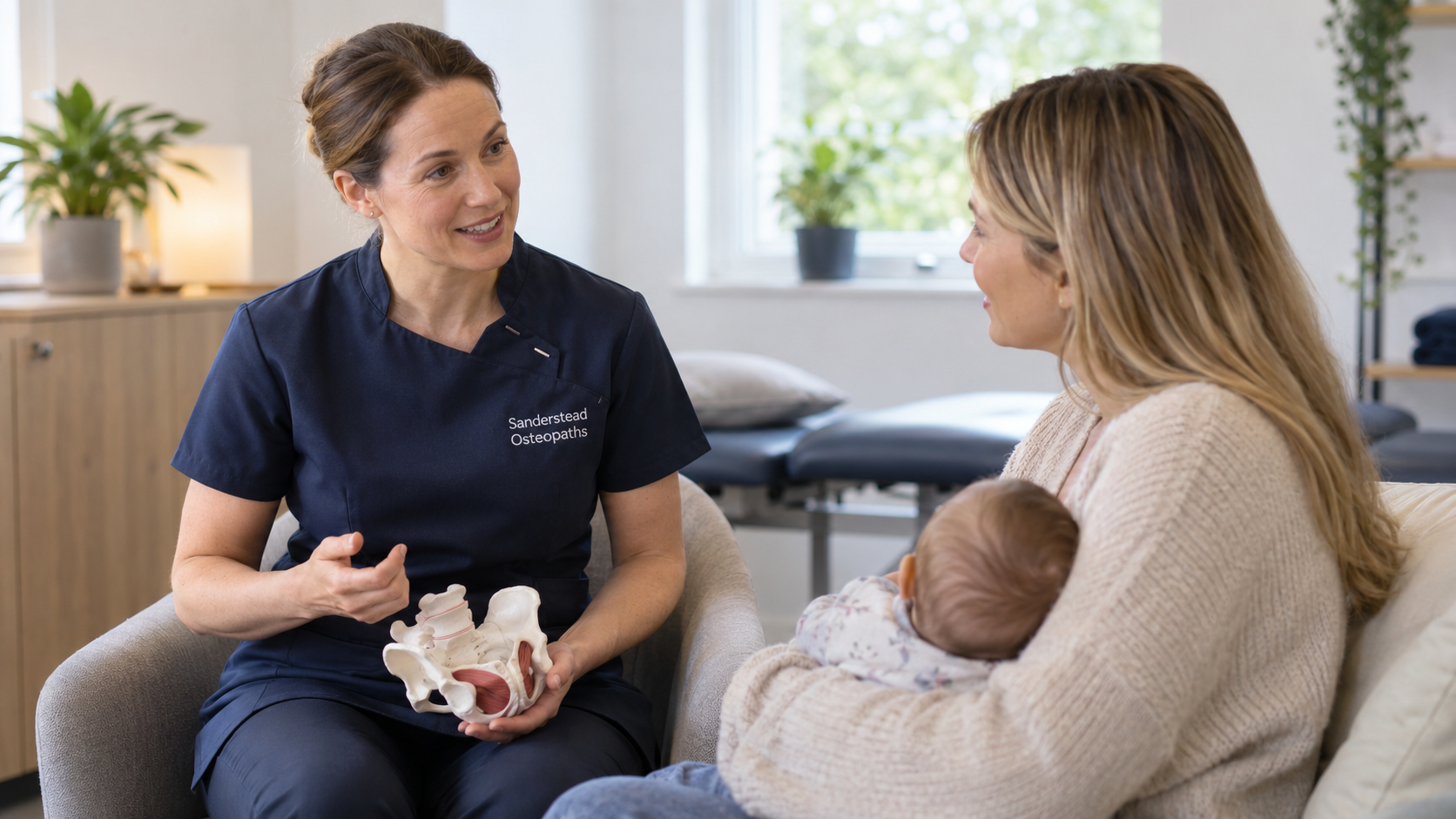
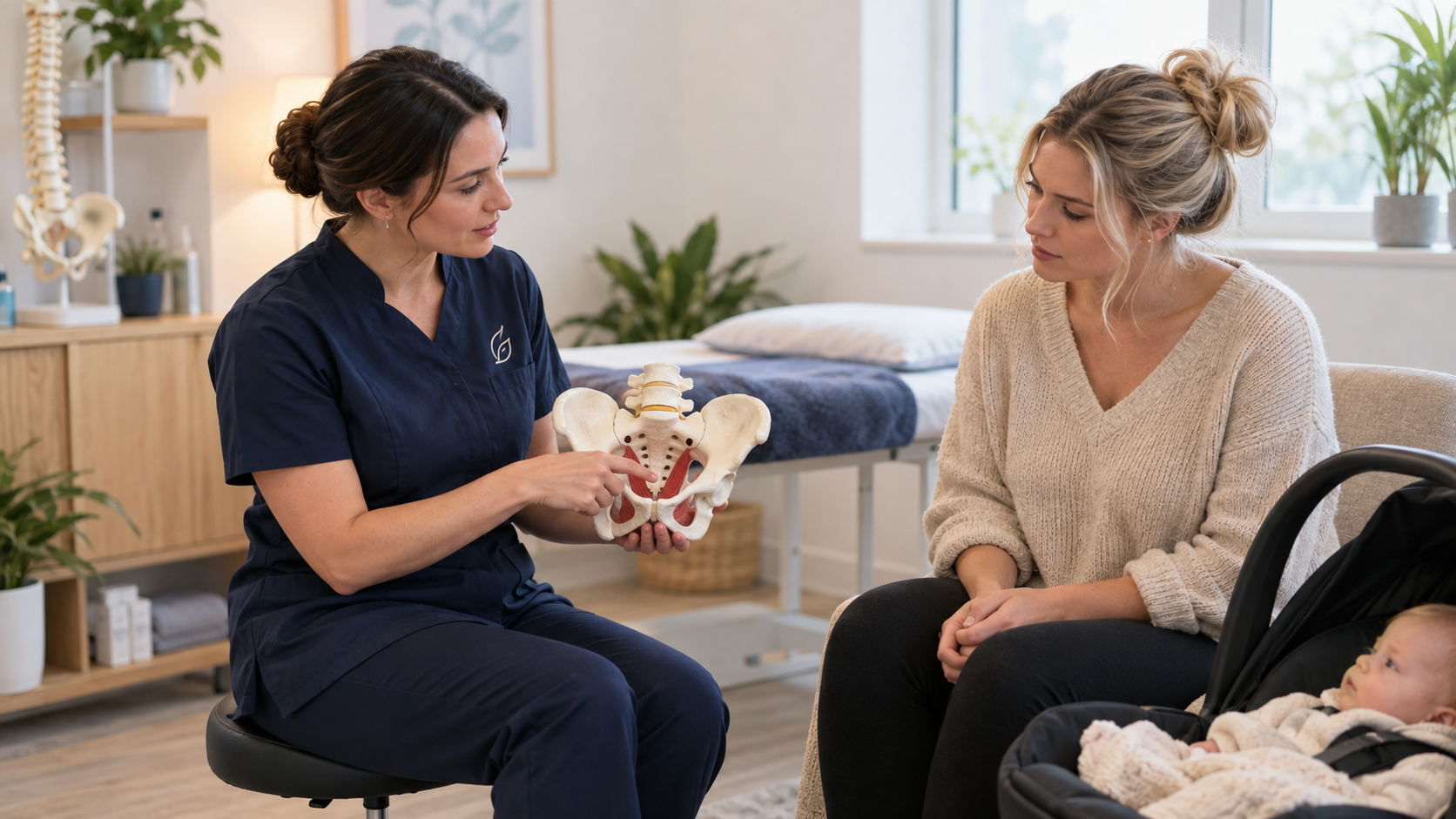
Many parents ask whether osteopathy can help babies sleep better. Osteopathic treatment for infants focuses on easing physical tension, improving comfort, and supporting the body’s natural ability to relax, which may in turn promote calmer, more settled sleep patterns.
Sanderstead Osteopath provide quality treatment & professional service, I've been using David Ayers Osteopath services for over a decade with no complaints.

 Mike McFarlane
August 28, 2023
Understanding Why Babies Struggle to Sleep

New parents often find that their baby’s sleep patterns are unpredictable and fragmented. While it’s normal for infants to wake frequently during the night, persistent restlessness or difficulty settling may point to underlying discomfort or developmental factors. Understanding the physiological and environmental reasons behind these sleep challenges helps clarify when gentle osteopathic support might be beneficial.
How Infant Development Affects Sleep Regulation
A baby’s ability to sleep soundly depends heavily on how their nervous system, musculoskeletal structures, and circadian rhythms mature. In the first few months of life, these systems are still developing, which explains why newborns often have irregular sleep-wake cycles.
During pregnancy and birth, a baby’s body undergoes significant compression and stretching. Even in straightforward deliveries, this physical process can create tension in the neck, shoulders, or base of the skull. Such strain may subtly influence how easily a baby can settle or maintain a restful posture during sleep. For example, restricted movement in the upper spine or cranial membranes can affect feeding comfort, digestion, and overall relaxation all of which play vital roles in supporting restorative sleep.
The autonomic nervous system, which governs sleep, digestion, and soothing responses, is particularly sensitive in infancy. Osteopathic approaches that focus on releasing tension around the cranial base, diaphragm, and spine may help restore balance between the sympathetic (“fight or flight”) and parasympathetic (“rest and digest”) branches. When this balance improves, babies often display calmer behaviour, smoother feeding, and longer stretches of settled sleep.
Parents in areas such as Sanderstead, Croydon, and South Croydon often visit their osteopath seeking to understand whether subtle physical discomfort could be influencing their baby’s rest. Gentle, hands-on osteopathic techniques aim to work with the baby’s natural physiology rather than against it, supporting the developmental processes already at play.
If your baby struggles to sleep or appears uncomfortable when lying down, a professional assessment with a qualified osteopath in Sanderstead may help identify areas of tension or imbalance contributing to restlessness.
Physical Tension and Its Impact on Settling and Rest
Physical tension is one of the most common yet easily overlooked reasons why babies find it difficult to settle or stay asleep. The birth process, even when uncomplicated, places significant pressure on an infant’s head, neck, and shoulders. In assisted deliveries, such as those involving forceps, ventouse, or prolonged labour, these forces can be greater and may leave residual tightness in the soft tissues and joints of the upper spine or cranial base.
When this tension persists, it can influence a baby’s posture and comfort. For example, some babies may prefer to turn their head to one side, arch their back when lying flat, or struggle to find a comfortable feeding position. These small signs often reflect areas of physical strain that can make settling to sleep more difficult. A baby experiencing discomfort in the neck or cranial membranes may wake frequently, cry inconsolably when placed on their back, or appear restless between sleep cycles.
Osteopathy approaches these issues by assessing the balance and mobility of the baby’s musculoskeletal system. Gentle, precise techniques are used to ease tight areas and support freer movement through the spine, shoulders, and head. The aim is not to force change but to encourage natural relaxation by reducing physical strain. When the body feels more comfortable, babies often find it easier to settle, feed calmly, and transition into deeper phases of sleep.
Parents across Sanderstead, Croydon, and surrounding areas such as Kenley and Warlingham often report noticing subtle but meaningful changes following osteopathic treatment. While every baby is unique, improvements in comfort and relaxation frequently coincide with more settled sleep routines.
If you suspect your baby’s restlessness may be linked to tension or discomfort from birth, consulting a registered osteopath in Sanderstead can help assess their musculoskeletal balance and advise whether gentle treatment may support improved rest and relaxation.
At Sanderstead Osteopaths, we make this clear from the outset. Early relief is always the goal, but our greater focus is on building lasting results. Patients often tell us that while they may not have felt instant improvement, within a few sessions they noticed transformative changes: less pain, greater freedom of movement, and reduced reliance on medication.
The Role of Digestion, Feeding, and Comfort in Sleep Quality
Digestive comfort plays a central role in how well babies sleep. In the first months of life, an infant’s digestive system is still maturing. Many experience temporary colic, trapped wind, or reflux, which can cause discomfort after feeding and make it difficult to settle or stay asleep. The connection between digestion and sleep lies within the baby’s nervous system and diaphragm two key areas osteopaths often focus on.
When the diaphragm or abdominal muscles are tense, the natural movement of the digestive organs can be restricted. This may lead to slower digestion or difficulty expelling trapped gas, resulting in fussiness, frequent waking, or discomfort when lying flat. Feeding difficulties such as poor latch, gulping air during feeds, or tongue-tie can also contribute to these patterns.
Osteopathic treatment aims to improve comfort by supporting optimal mobility in the rib cage, diaphragm, and spine. By easing tension around the diaphragm and digestive organs, the baby’s body can move and breathe more freely, allowing smoother digestion and more relaxed postures during sleep. This gentle approach complements good feeding practices and can help reduce the cycle of discomfort and restlessness that disrupts sleep.
Parents in South Croydon, Selsdon, and nearby communities often seek osteopathic advice when persistent feeding discomfort or unsettled nights affect their baby’s wellbeing. Osteopathy does not replace medical care, but it may offer additional support for improving comfort and helping the body settle into healthier sleep patterns.
If your baby shows signs of digestive discomfort that disturb sleep, consider arranging a consultation with an experienced paediatric osteopath in Sanderstead. They can assess postural or tension-related factors contributing to these symptoms and work alongside your existing healthcare providers to support your baby’s comfort and rest.

How Osteopathy Can Support Better Sleep in Babies
Osteopathy views the body as an interconnected system where structure and function continuously influence each other. When balance, mobility, and comfort are restored, the body’s natural ability to relax and self-regulate can flourish. In babies, this approach focuses on easing strain, supporting optimal development, and promoting calmer, more restful sleep patterns.
The Osteopathic View of Balance and Relaxation
From an osteopathic perspective, the foundations of rest and wellbeing begin with physical and physiological balance. In newborns and young infants, even subtle restrictions in the musculoskeletal system can affect breathing, feeding, digestion, and comfort – all of which are linked to how easily a baby can settle and stay asleep.
Osteopaths consider the relationship between the skull, spine, and sacrum as particularly significant. These areas influence the central and autonomic nervous systems, which regulate vital functions such as sleep, temperature, and digestion. If tension exists at the base of the skull or along the spine, it can subtly disturb these systems, making it harder for a baby to switch from alert to restful states.
By supporting alignment and freedom of movement through gentle touch, osteopathy aims to encourage better balance between the body’s physical structures and its internal systems. When balance is restored, babies often show improved relaxation cues, softer breathing, looser limbs, and greater ease when being held or laid down for sleep.
Identifying and Relieving Areas of Strain or Tension
An osteopathic assessment begins with careful observation. The practitioner looks at the baby’s posture, head position, feeding behaviour, and general ease of movement. These observations can reveal areas of tightness, asymmetry, or restriction that may be contributing to discomfort or unsettled sleep.
For instance, a baby who always turns their head to one side might have tightness in the neck muscles or upper spine. Similarly, a baby who arches their back or struggles to lie flat could be compensating for tension in the diaphragm or lower spine. These small postural patterns often stem from the physical demands of pregnancy or birth and may persist until gently addressed.
Using light, precise techniques, the osteopath works to release strain and support natural mobility in the affected areas. This may involve subtle movements or soft contact over the head, neck, shoulders, or pelvis. The aim is always to facilitate the baby’s own ability to relax and self-adjust, never to impose force or manipulation.
When areas of restriction are eased, the baby’s body can function more efficiently, breathing deepens, feeding improves, and the nervous system shifts towards a calmer, more settled state that supports restorative sleep.
Gentle Techniques to Promote Calm and Comfort
Osteopathy for babies uses an exceptionally light touch. Techniques such as cranial or craniosacral osteopathy involve sensing and responding to very fine patterns of motion within the body’s tissues and fluids. By gently encouraging release where tension is detected, the practitioner helps restore comfort and harmony throughout the body.
These sessions are often quiet, with the baby either lying on the couch, resting in a parent’s arms, or feeding during treatment. Many parents notice their baby becoming visibly calmer, with smoother breathing and deeper relaxation as the session progresses. Some babies may even fall asleep during or shortly after treatment, reflecting the body’s shift into a more settled, parasympathetic state.
Osteopathy is not a sleep training method but rather a supportive therapy that helps the baby’s body feel comfortable and balanced enough to rest naturally. When physical tension is reduced and the nervous system is soothed, the conditions for healthy sleep can emerge more readily.
Parents from Sanderstead, Croydon, and surrounding communities such as Purley Oaks, Shirley, and Warlingham often seek osteopathic support when their babies struggle to settle despite good sleep routines. A calm, gentle osteopathic assessment can provide reassurance and practical help in supporting your baby’s comfort and rest.
If your baby’s sleep has been consistently disrupted or they appear physically unsettled, consider booking a baby osteopathy consultation at Sanderstead Osteopaths. A tailored assessment may help identify tension-related factors and support your baby’s ability to relax and sleep more soundly.
Always really happy with the knowledge and professionalism I receive.
 Daniel Djadali
August 28, 2023
What Happens During a Baby Osteopathy Session for Sleep Issues
A baby osteopathy session is designed to be calm, unhurried, and responsive to the baby’s comfort at all times. The process involves understanding your baby’s history, gently assessing their movement and physical balance, and using light, reassuring techniques to ease tension and promote relaxation. Every stage is guided by observation, touch, and the baby’s natural responses.
Initial Case History and Understanding the Baby’s Sleep Pattern
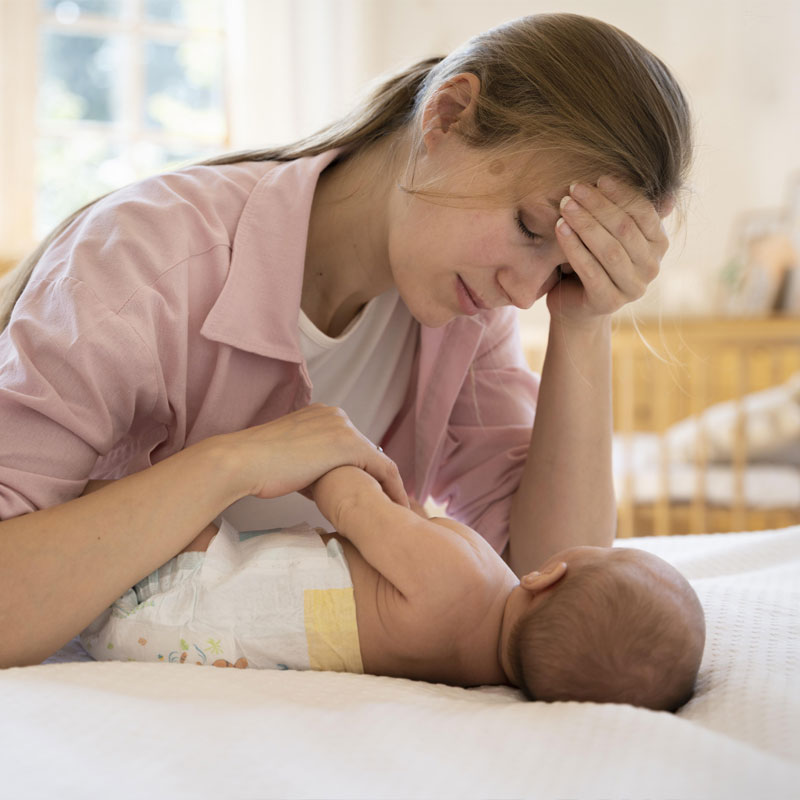
Each appointment begins with a detailed discussion between the osteopath and the parent or carer. This is an opportunity to explore your baby’s medical history, birth experience, feeding patterns, and current sleep behaviours. Understanding when and how your baby struggles to settle helps identify possible contributing factors such as discomfort, tension, or digestive issues.
Our osteopaths consider the relationship between the skull, spine, and sacrum as central to infant comfort and balance. These structures influence the nervous system, which regulates sleep and relaxation. By taking a full case history, we can connect patterns of restlessness or wakefulness to possible physical strains, developmental transitions, or feeding challenges.
Parents are encouraged to share as much detail as possible about their baby’s routine, temperament, and any signs of discomfort such as arching, fussing after feeds, or difficulty lying flat. These insights help shape a treatment plan that respects your baby’s unique needs and developmental stage.
Assessment of Movement, Comfort, and Physical Balance
Once the discussion is complete, the osteopath gently observes the baby’s natural posture, head position, and responses to touch. The assessment may include observing how the baby moves their limbs, turns their head, or reacts when being placed on their back. Every observation offers clues about areas of tightness, imbalance, or restricted motion that may contribute to disturbed sleep.
This hands-on evaluation is extremely gentle. Our osteopaths at Sanderstead Osteopaths use a highly sensitive touch to detect areas where tension may be affecting the baby’s comfort. Subtle restrictions around the neck, diaphragm, or cranial base are common findings, particularly after birth experiences that involved pressure or assisted delivery.
The goal of this stage is not to diagnose medical conditions but to understand the baby’s physical state in a holistic way how movement, comfort, and relaxation interact. Babies who experience freer motion and greater ease in their bodies often display calmer behaviour and smoother sleep patterns over time.
How Treatment Supports Relaxation and Self-Regulation
Treatment during a baby osteopathy session focuses on creating a calm environment where the baby feels secure. Parents are encouraged to hold or feed their baby during treatment if it helps them feel comfortable. Using light, precise techniques, the osteopath works to release areas of strain and encourage balanced motion through the spine, shoulders, and cranial structures.
These gentle movements are designed to support the baby’s natural self-regulatory systems. When physical tension eases, the nervous system can shift towards a calmer state, breathing deepens, and the body is better able to relax. This contributes to improved comfort, easier settling, and longer stretches of sleep.
Sessions are always adapted to the baby’s tolerance and mood on the day. If a baby needs to feed, be changed, or simply cuddled, the osteopath works flexibly around these needs. Parents often describe the experience as nurturing and reassuring, many notice their baby becoming more relaxed, with subtle improvements in sleep or comfort emerging in the days that follow.
At Sanderstead Osteopaths, our team’s focus is on supporting the baby’s comfort and natural rhythms rather than enforcing a fixed outcome. We take pride in offering care that aligns with the gentle pace and needs of each individual child.
Every baby osteopathy session at Sanderstead Osteopaths is calm, safe, and fully adapted to your baby’s needs. If your little one struggles with sleep or restlessness, our gentle, evidence-informed approach may help them find greater ease and relaxation.
Absolutely brilliant. Lexi is a miracle worker, i always come away feeling back on track and realigned. I honestly dont know what i would do without her regular resets! She is lovely and the practice is always, welcoming, warm and quiet.
 Vicky
VickyFebruary 28, 2024
The Connection Between the Nervous System and Sleep
Sleep is one of the most delicate processes governed by the nervous system. For babies, whose neurological and physiological systems are still developing, the ability to relax and drift into restful sleep depends on a healthy balance between stimulation and calm. Osteopathy supports this balance by helping the body ease tension, regulate internal rhythms, and activate the systems responsible for rest and digestion.
How Osteopathy Supports Parasympathetic Balance
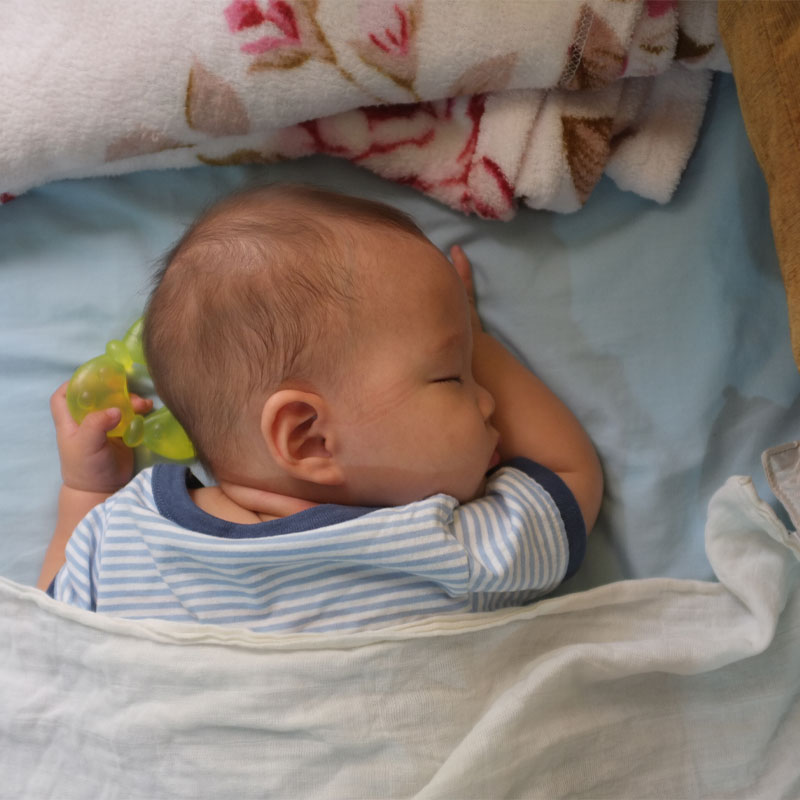
The autonomic nervous system (ANS) plays a vital role in regulating sleep. It consists of two main branches: the sympathetic system, responsible for alertness and activity, and the parasympathetic system, which promotes relaxation, digestion, and recovery. For sleep to occur easily, the parasympathetic system needs to dominate.
In babies, this delicate balance is often disrupted by physical tension, birth strain, or discomfort from feeding and digestion. These factors can trigger heightened sympathetic activity making it harder for the baby to settle, stay asleep, or soothe themselves when they wake.
Osteopathic care aims to reduce these sources of physical stress and support a calmer, more balanced state in the nervous system. Through gentle techniques around the cranial base, spine, and diaphragm, osteopaths help release subtle restrictions that may interfere with the body’s ability to shift into parasympathetic dominance.
When the parasympathetic system is more active, breathing slows, the heart rate steadies, and the body naturally moves toward a state of relaxation. Parents across Sanderstead, South Croydon, and surrounding areas often describe their babies as “more settled” or “less tense” following osteopathic sessions reflecting this deeper neurological calm.
The Importance of Releasing Cranial and Spinal Tension
The cranial base and upper spine are central hubs for the nerves that influence sleep, digestion, and comfort. These include the vagus nerve, which plays a major role in calming the heart rate, aiding digestion, and promoting restful states. If the tissues or joints around these areas are strained, such as from birth compression or awkward positioning, they may interfere with the smooth functioning of these vital nerve pathways.
Osteopaths trained in paediatric care use very light, non-invasive contact to identify and ease restrictions around these regions. The aim is to restore gentle motion and balance, allowing the nervous system to communicate more efficiently throughout the body. Even a small improvement in cranial or spinal mobility can have a positive effect on a baby’s ability to feed, digest, and settle into sleep more comfortably.
Our osteopaths at Sanderstead Osteopaths often find that babies with tension at the base of the skull or upper neck respond well to cranial techniques, which help relieve pressure and restore soft tissue balance. As the nervous system becomes freer to function naturally, many babies show signs of deeper calm smoother breathing, relaxed limbs, and improved ability to stay asleep once settled.
Encouraging Deeper Rest Through Gentle Physiological Support
Sleep is not simply a behavioural issue but a whole-body process shaped by comfort, neurological stability, and internal balance. Osteopathy works on all three levels. By easing musculoskeletal restrictions, improving circulatory flow, and calming the autonomic nervous system, it helps create the internal conditions that favour deep, restorative rest.
This gentle physiological support does not force sleep; rather, it enables the body to return to its natural rhythm. Babies often respond by showing fewer signs of distress, shorter settling times, and longer stretches between waking. Over time, these changes can contribute to more predictable and restful sleep routines.
At Sanderstead Osteopaths, each treatment is tailored to the individual baby’s needs, ensuring that care remains soft, responsive, and nurturing. The focus is always on supporting the baby’s comfort and development while giving parents reassurance that their child’s wellbeing is at the heart of every session.
Very professional and friendly service from Paul.
 Julia Callan
October 28, 2023
Is Osteopathy Safe and Evidence-Based for Helping Babies Sleep?
Parents naturally want to be sure that any approach to supporting their baby’s comfort and sleep is both safe and evidence-based. Osteopathy is a regulated healthcare profession in the UK, with strict training standards, clinical oversight, and a growing body of research exploring its role in supporting infant wellbeing. While osteopathy does not claim to “cure” sleep difficulties, it may help by improving comfort, easing tension, and supporting healthy physiological function all of which can influence how well a baby settles and rests.
What Current Research and Clinical Practice Show
Scientific interest in osteopathic care for infants has grown steadily in recent years. Several small-scale studies and clinical audits have explored how gentle manual therapy, particularly cranial osteopathy, may affect crying, colic, feeding, and sleep. While research in this area is still developing and evidence remains mixed, many studies suggest potential benefits in reducing signs of discomfort and improving overall infant wellbeing.
For example, some observational studies have reported that babies treated with gentle osteopathic techniques showed reduced irritability, less frequent waking, and smoother feeding patterns. The proposed mechanism relates to improved musculoskeletal comfort, better autonomic regulation, and enhanced relaxation responses. However, more large-scale, controlled trials are needed to confirm these findings and determine exactly how osteopathic treatment contributes to such improvements.
In clinical practice, osteopaths across the UK, including those at Sanderstead Osteopaths integrate current evidence with their hands-on expertise and careful observation. Treatment decisions are always based on safety, suitability, and the individual baby’s presentation rather than a “one-size-fits-all” approach. This combination of evidence awareness, professional judgement, and gentle technique ensures that osteopathic care remains both responsible and patient-centred.
Professional Regulation and Safety Standards
Osteopathy is one of only a few complementary healthcare professions in the UK regulated by statute. All practising osteopaths must be registered with the General Osteopathic Council (GOsC), which ensures that practitioners meet rigorous standards of education, clinical competence, and professional conduct.
Paediatric osteopathy requires additional postgraduate training focused on the anatomy, physiology, and development of infants and children. Practitioners are taught to adapt their techniques to be exceptionally gentle, with a strong emphasis on safety and respect for the baby’s comfort at every stage
At Sanderstead Osteopaths, our osteopaths adhere to these high professional standards and maintain continuous professional development in paediatric care. Treatment is never rushed or forceful. Each session is designed around the baby’s needs, responses, and tolerance, ensuring complete safety throughout. Parents are always welcome to stay close, observe, and ask questions at any time during the session
This transparent, regulated approach gives parents peace of mind that osteopathic care for their baby is delivered responsibly, safely, and with full professional accountability.
Integrating Osteopathy with GP and Health Visitor Guidance
Osteopathy works best as part of a broader, collaborative approach to infant health. At Sanderstead Osteopaths, we encourage parents to continue engaging fully with their GP, midwife, or health visitor, especially if their baby’s sleep issues are accompanied by feeding difficulties, persistent crying, or developmental concerns.
Osteopathic care is not a replacement for medical treatment. Instead, it complements mainstream healthcare by focusing on improving physical comfort and supporting the body’s natural balance. Communication between healthcare professionals ensures that each baby receives the most appropriate, holistic care for their individual needs.
If any concerns arise during treatment such as signs of underlying medical issues, our osteopaths will refer promptly to a GP or relevant specialist. This integration of professional disciplines reflects the ethos of safe, responsible, and family-centred care that defines our practice.
At Sanderstead Osteopaths, we are deeply committed to providing safe, evidence-informed paediatric osteopathy. Our approach combines clinical knowledge, gentle skill, and collaboration with wider healthcare professionals to help your baby feel comfortable, settled, and supported.
What Parents in Sanderstead, Croydon, and Purley Say About Osteopathy for Sleep
Many parents who visit Sanderstead Osteopaths come seeking answers to why their baby struggles to settle or rest peacefully. Through gentle, evidence-informed care, families often notice not only improvements in their baby’s comfort and sleep patterns but also a greater sense of calm within the household. While every baby is unique, the feedback we receive reflects the value of a supportive, holistic approach to infant wellbeing.
Common Improvements Parents Report After Treatment
Parents frequently describe subtle yet meaningful changes following osteopathic care. Many report that their baby appears more relaxed, feeds more comfortably, and settles more easily at bedtime. Some notice that their baby’s breathing becomes smoother or that they spend longer stretches asleep without distress. Others highlight an overall improvement in comfort less arching, fewer signs of wind or reflux, and greater ease when lying flat.
While osteopathy is not a “quick fix” for sleep problems, these gradual shifts often reflect improved physical balance and relaxation. By easing musculoskeletal tension and supporting healthy nervous system function, osteopathic treatment may help create the conditions for better rest. Parents in Sanderstead, South Croydon, and Purley often describe the experience as restorative not only for their baby but for the whole family’s sense of routine and calm.
The Emotional Benefits of Calmer, More Settled Routines
When a baby begins to sleep and settle more comfortably, the emotional effects are far-reaching. Parents frequently express relief at seeing their baby calmer and more content. The sense of reassurance that comes from understanding their child’s needs and seeing those needs gently addressed can have a positive impact on family wellbeing.
Improved sleep allows parents to rest more themselves, reducing exhaustion and anxiety. As the baby becomes easier to soothe, the atmosphere at home often feels lighter and more predictable. These emotional benefits form a vital part of why families in Croydon and the surrounding areas choose osteopathic support: the focus extends beyond symptom relief to fostering harmony and connection between parent and child.
At Sanderstead Osteopaths, we recognise that helping babies sleep is as much about supporting the parents as it is about easing the baby’s discomfort. Our approach creates a calm, encouraging environment where families feel heard, informed, and supported throughout the process.
Building Confidence and Support for the Whole Family
Confidence grows when parents feel empowered with knowledge and reassurance. Osteopathy helps build that confidence by offering clear explanations about how a baby’s body functions, why tension may develop, and what gentle steps can help restore comfort. This understanding often transforms uncertainty into calm assurance, giving parents renewed confidence in caring for their baby.
Beyond the physical benefits, osteopathic sessions provide an opportunity for parents to discuss their baby’s progress, ask questions, and receive guidance in a relaxed, nurturing setting. For many, this shared support makes a tangible difference to daily life helping the whole family feel more settled, rested, and connected.
Families from Purley, Kenley, Warlingham, and across Croydon often express gratitude for the compassionate, professional care their babies receive at Sanderstead Osteopaths. Each story reinforces the same principle: when babies feel comfortable and balanced, the entire household benefits.
If your baby struggles to sleep or settle, we invite you to book a gentle baby assessment at Sanderstead Osteopaths. Our calm, supportive approach can help explore whether osteopathy might assist your baby in finding more peaceful, restorative rest.
Lexi has been very helpful with pain in my back and the treatments have been very affective and she gives out great follow up exercises
 Max Bullock
February 28, 2024